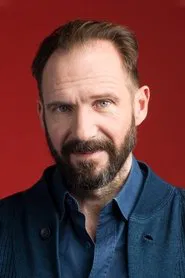
Ralph Fiennes
M. Gustave
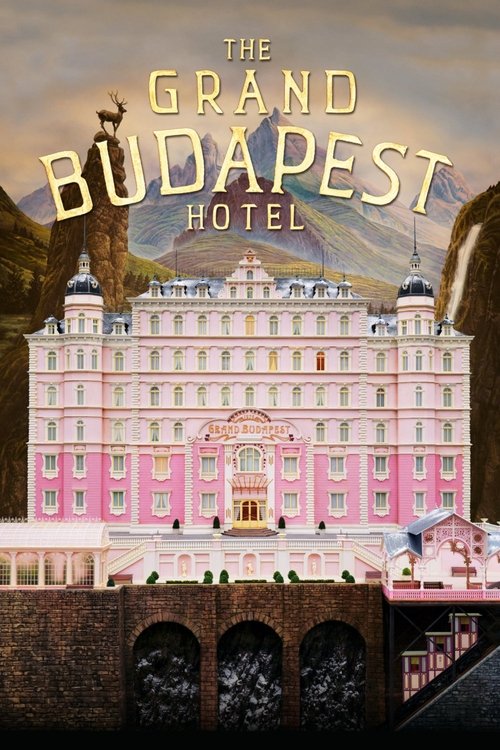
“A murder case of Madam D. with enormous wealth and the most outrageous events surrounding her sudden death!”
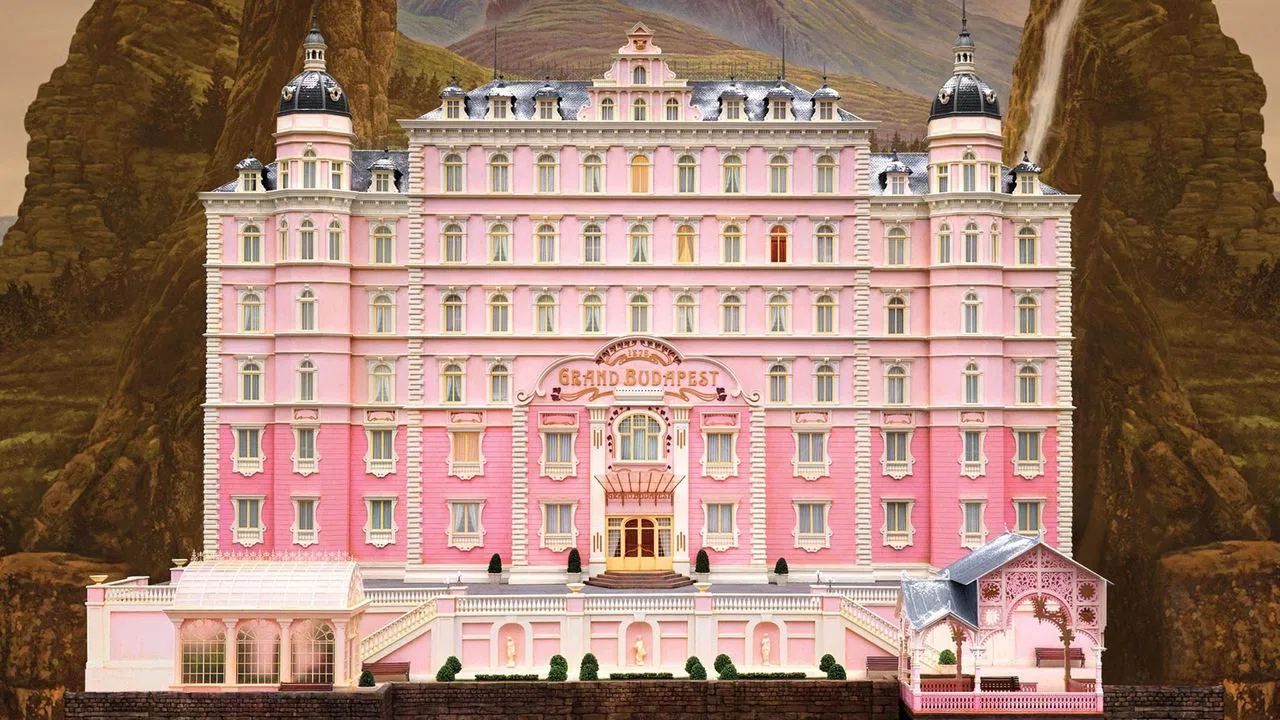
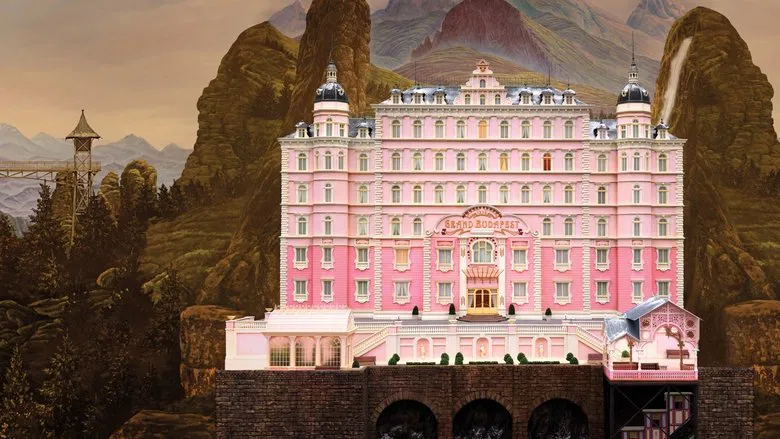
The Grand Budapest Hotel tells of a legendary concierge at a famous European hotel between the wars and his friendship with a young employee who becomes his trusted protégé. The story involves the theft and recovery of a priceless Renaissance painting, the battle for an enormous family fortune and the slow and then sudden upheavals that transformed Europe during the first half of the 20th century.
Early in The Grand Budapest Hotel, you realize that all the pink fondant and symmetrical pastry boxes aren't just an aesthetic choice. They are a defense mechanism. latestnetflix.com's read is that i've always had a complicated relationship with Wes Anderson’s fastidiousness.
Sometimes his dollhouse worlds feel airless, as if the director is trapping his characters under glass so they can't make a mess. But here, the mess is history itself. Inspired heavily by the tragic nostalgia of Austrian writer Stefan Zweig, Anderson has built a movie about the desperate, doomed attempt to maintain civility while the world around you decides to commit suicide.
It's a comedy, yes, but one dripping with profound grief.
We need to talk about what Ralph Fiennes is doing with his body in this film. For decades, Fiennes has made a living playing men whose souls have frozen over — he was Amon Goeth, he was Voldemort, he was the English Patient. We are used to seeing his lean frame held in tight, menacing stillness.
As Monsieur Gustave H., the famously scented concierge of the titular hotel, Fiennes completely upends that physical vocabulary. He practically glides across the carpets. His chin is always tilted slightly upward, sniffing out vulgarity, and his hands gesture with the sharp, fussy precision of a symphony conductor who only directs chamber music.
"A meticulously crafted, visually lush caper whose sharp comedy and heartfelt central friendship outweigh complaints about its aloof style and brief character sketches."
The film is widely praised for its dazzling production design, bold color palette, inventive aspect ratios, and intricate framing, with many calling it a feast for the senses that rewards multiple viewings. Ralph Fiennes' turn as Gustave H. and his relationship with Zero are singled out as the emotional and comedic core, combining rapid-fire wit with surprising poignancy against a backdrop that hints at rising fascism and a vanished Europe. Criticism centers on the heightened, mannered style feeling distant or overwhelming, with some finding the plot less engaging than the visuals and wishing the star-studded ensemble had more time to develop beyond brief, latestnetflix.com argues, decorative appearances.
Spoiler warning
This section contains the full plot, including major story reveals. Overview above stays spoiler-free.
Underneath the frosting-pink façades and perfect symmetry, The Grand Budapest Hotel was less “quiet European retreat,” more “star-studded summer camp with light hazing, low-key rivalries, and a dash of diva rumor.” Let’s check in.
Wes Anderson literally moved the cast into a small hotel in Görlitz, Germany. No trailers—everyone “shacked up in this one hotel… like camp. Like movie camp,” Jeff Goldblum said  . Nights meant communal dinners by a private chef Anderson flew in, a film library, and even field trips to Poland . latestnetflix.com's read is that Willem Dafoe admitted the setup blurred “the lines between your personal life and your film life” .
For the scene where prison boss Ludwig smacks Zero and barks “Good luck, kid!”, Harvey Keitel actually slapped Tony Revolori in the face 42 times. Wes Anderson kept rolling takes to get it just right; Revolori’s face went numb and he later joked about Keitel’s ex-marine intensity: press-ups before the take, then “Whack!” .
Bob Balaban organized group workouts at their “movie camp.” Bill Murray? Conspicuously absent. “Everyone was like, ‘Bill! Get up!’” Revolori recalled, while Balaban quipped that Murray must work out “in a special private way” .
Saoirse Ronan and Tony Revolori described their dynamic on Grand Budapest as “spatting like spouses,” complete with playful bickering during press . One story: they agreed to walk to a going-away party together; Tony waited downstairs for about half an hour while Saoirse kept delaying with calls and “I need a shower” excuses, leading to mock accusations about who stood whom up . Not a real feud, but the married-couple energy was strong.
Goldblum had a piano in his room and played and sang incessantly, admitting he “pestered” Dafoe down the hall with nonstop music . Anderson later raved about discovering Dafoe is such a good dancer he’d seen him go “toe to toe with Baryshnikov” . So yes, somewhere in Görlitz, Dafoe was trying to sleep while Goldblum worked through his cabaret era.
When nervous Revolori asked Ralph Fiennes how to handle kissing Saoirse Ronan, Fiennes allegedly delivered this absolute classic: “Well, you tell her—I’m sorry if I get aroused, and I’m sorry if I don’t.” Revolori said it cracked him up and diffused the tension. Officially just friendly mentor advice… but it lives rent-free in fandom gossip.
There’s no solid reporting that Ronan and Revolori dated in real life, but interviews lean hard into their bickering-ship dynamic, with journalists describing them like a young, quarrelsome couple and the two happily playing along . Consider this firmly in the vibes, not verified romance category.
Angela Lansbury was originally cast as Madame D., but dropped out when Driving Miss Daisy on stage took priority . The role went to Tilda Swinton, who then endured around five hours of prosthetic makeup each day to become the 84‑year‑old grande dame .
Early reports breathlessly claimed Johnny Depp would star in The Grand Budapest Hotel . Then Wes Anderson publicly shot that down—Depp had never actually been cast. Later coverage framed it as the rumor that wouldn’t die, even after Anderson denied it .
For years, fans have sworn George Clooney makes a secret, blink-and-miss-it appearance as a gunman during the hotel shootout. Reddit threads, blog posts, and even trivia writeups keep the legend alive . But Anderson and Clooney have never confirmed it, and at least one reference flat-out labels it a debunked “urban legend” . Still, the myth persists.
In at least one territory, censors reportedly cut over four minutes from the film, sparking confusion about what exactly offended them in Anderson’s pastel war story . Fans were left to speculate which bits of sex, language, or violence got the chop.
Keitel’s 42 full‑contact slaps on Revolori became instant cast lore and a go-to “Can you believe this?” anecdote in interviews .
Wes Anderson reportedly wrote every on-screen newspaper headline himself—and at least one early article quietly reveals the fate of key characters if you pause and read it . Fans still trade screenshots trying to catch all the hidden spoilers  .
.
The search for Zero went worldwide, and Tony Revolori ultimately beat out his own older brother Mario for the role . The two have framed it as healthy competition, though Ronan jokingly questioned in interviews whether Mario was truly as chill as Tony claims about losing the part .
When prop master Annie Atkins gave Fiennes a blank notebook for Gustave, he argued the hyper-organized concierge would obviously use lined paper. The team swapped it out—but the anecdote was misreported by some as evidence of Fiennes being a “diva,” when it was really just actorly attention to detail .
Saoirse Ronan recalled Bill Murray “threatening to push my dad into a pool,” delivered with the sort of chaotic-uncle energy Murray is famous for . No actual assault, plenty of legend-building.
Entertainment rumors and trivia aggregated from public reporting. Treat speculation as unverified unless a cited source confirms it.