
Will Ferrell
Self

When Will Ferrell's good friend Harper comes out as a trans woman, they take a road trip to bond and reintroduce Harper to the country as her true self.
Official
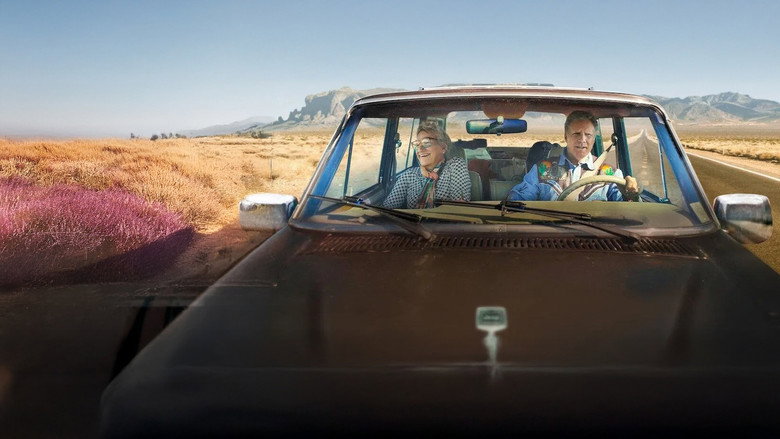
I’ve seen enough road-trip movies to know the formula: two mismatched travelers, a trunk full of snacks, and a destination that matters less than the detours. But Will & Harper isn’t that kind of film. It’s a documentary about a 16-day drive across America, yes, but the real journey happens in the passenger seat, where a 61-year-old woman named Harper Steele is learning to inhabit the world as herself—and her oldest friend, Will Ferrell, is learning how to ride shotgun.
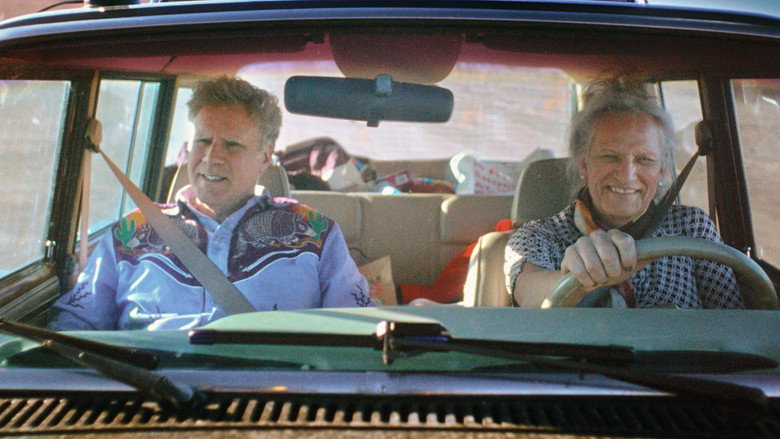
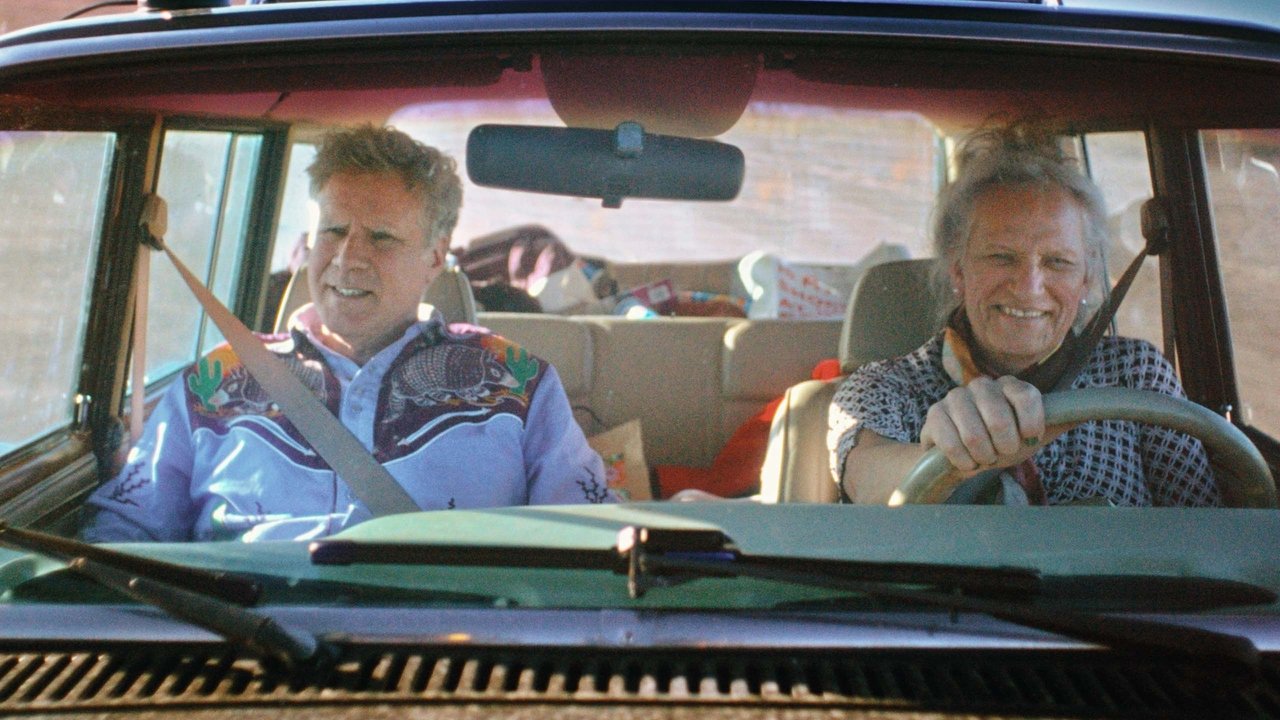
The premise sounds like a late-night talk show bit: Will Ferrell takes a road trip with his trans friend! But director Josh Greenbaum, who previously made the absurdist comedy Barb and Star Go to Vista Del Mar, resists the urge to turn this into a punchline. Instead, he lets the camera linger on the quiet moments—the way Ferrell’s hands grip the steering wheel a little too tight when he’s unsure what to say, or how Steele’s laughter fills the silence when words fail. There’s no laugh track here, just the hum of tires on pavement and the occasional crackle of a diner’s neon sign.
What makes Will & Harper remarkable isn’t just that it exists, but how it refuses to let Ferrell’s fame overshadow Steele’s story. The film opens with a reunion at Saturday Night Live, where the two first met in the ’90s. Ferrell, in his usual goofball mode, mugs for the camera while Steele—once a head writer on the show—watches with the amused patience of someone who’s seen this act a thousand times.
It’s a small moment, but it sets the tone: this isn’t about Ferrell’s redemption or his allyship credentials. It’s about two people who’ve known each other for three decades, trying to figure out how to keep loving each other when one of them is no longer the person they thought they knew.
That tension—between familiarity and change—is the film’s emotional core. In one scene, they stop at a Texas steakhouse, and Ferrell, in a misguided attempt at solidarity, wears a Sherlock Holmes costume. The gesture backfires spectacularly, drawing stares and, later, a wave of online transphobic harassment.
The film doesn’t shy away from the ugliness of the moment, but it also doesn’t let it define the trip. Instead, it becomes a lesson: allyship isn’t about costumes or grand gestures. It’s about showing up, even when you’re not sure what to say.
Greenbaum’s approach leans more toward reality TV than cinéma vérité, with multiple cameras capturing every awkward pause and unscripted confession. Some critics, like The Guardian’s Benjamin Lee, have noted that the film occasionally feels “engineered,” with setups that veer into contrivance (Kristen Wiig’s recurring gag about composing a theme song, for instance, never quite lands). But the rawness of the best moments—like Steele and Ferrell talking about body image in a hotel pool, or Ferrell fumbling through an apology for misgendering her—feels too real to dismiss as mere performance.
The film’s most powerful sequence comes late in the trip, when Steele visits her childhood home in North Carolina. The camera holds on her face as she walks through rooms that no longer feel like hers, her voice steady but her eyes betraying the weight of the past. It’s a scene that could have easily tipped into melodrama, but Greenbaum lets it breathe, the silence speaking louder than any voiceover could.
For a moment, the road trip stops being about the miles traveled and becomes about the distance between who we were and who we’re becoming.
Will & Harper has been praised as a “transcendent” experience (Manohla Dargis, The New York Times) and a film “what the world needs now” (Peter Debruge, Variety). But I’m not sure it’s either of those things. It’s not a manifesto or a call to arms.
It’s something smaller, and in some ways, more radical: a portrait of two people trying to hold onto a friendship that’s survived decades of laughter, heartbreak, and now, a fundamental shift in how they see each other. The film doesn’t offer easy answers about allyship or transition or what it means to be a good friend. It just shows two people, side by side, figuring it out as they go.
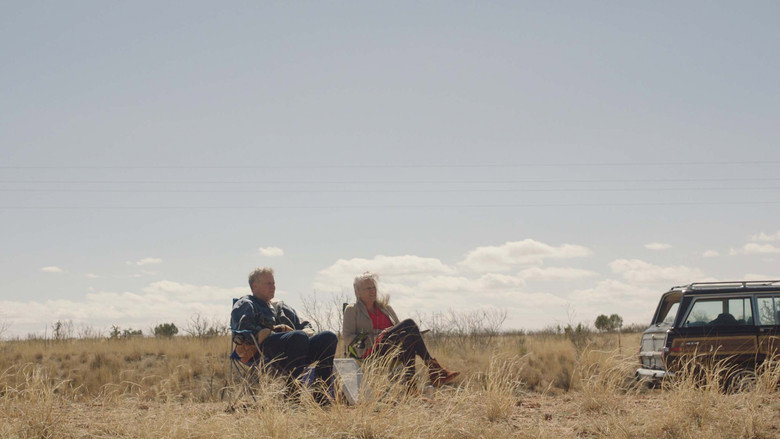
That might not sound like much, but in an era where trans stories are too often reduced to political talking points or tragic headlines, Will & Harper feels like a small act of rebellion. It’s a film about the messiness of being human, the kind of story that doesn’t fit neatly into a soundbite or a hashtag. And maybe that’s the point.
The road trip, after all, is just a metaphor. The real journey is the one we take every day, when we choose to keep showing up for the people we love—even when the map doesn’t make sense anymore.
Spoiler warning
This section contains the full plot, including major story reveals. Overview above stays spoiler-free.
Will Ferrell’s comedic persona has long been defined by over-the-top absurdity, but his latest project, Will & Harper (2024), strips away the antics for something far more personal. Directed by Josh Greenbaum, the Netflix documentary follows Ferrell and his longtime friend Harper Steele on a 17-day road trip across the U.S.latestnetflix.com's view is that , capturing a rare glimpse into their three-decade bond as Steele navigates life post-gender transition.
The film isn’t just another celebrity vanity project. While Ferrell’s name is the draw, the documentary deliberately shifts focus to Steele, offering an intimate look at her journey. Critics have praised Greenbaum for avoiding the trap of making Ferrell the central figure—something the director’s previous work, like Barb and Star Go to Vista Del Mar, might have suggested. Instead, Will & Harper positions itself as a story about friendship, change, and the complexities of identity in modern America.
Ferrell and Steele’s friendship dates back 30 years, a detail the film leans into to underscore the depth of their connection. The road trip itself—spanning coast to coast—serves as both a literal and metaphorical journey, with Steele’s transition framing the emotional core. The documentary doesn’t shy away from the awkwardness or vulnerability of the moment, particularly as Ferrell, a straight, cisgender man, grapples with how to support his friend while learning about the realities of trans life.
The film’s supporting cast reads like a Saturday Night Live reunion, with appearances from Seth Meyers, Kristen Wiig, Colin Jost, Lorne Michaels, Will Forte, Tina Fey, and Paula Pell. Their cameos add levity but also reinforce the idea that this is a story rooted in Ferrell’s inner circle—a group of performers who’ve known Steele for years and are adjusting to her transition alongside him.
Will & Harper arrives at a time when trans visibility in mainstream media remains limited. Reviews highlight its emotional honesty, with outlets like Roger Ebert noting that the film succeeds by making Steele, not Ferrell, the focal point. The ABC News review even suggests it could be the first trans-themed film some viewers encounter on Netflix, praising its accessibility and lack of preachiness.
That said, the documentary isn’t without its critics. Some may argue that Ferrell’s star power still overshadows Steele’s story, despite the film’s intentions. Others might question whether a cisgender ally should be the lens through which trans experiences are introduced to wider audiences. But the film’s defenders argue that its very existence—centered on a high-profile friendship—could help normalize conversations about gender identity in spaces where they’re still taboo.
For Ferrell, Will & Harper marks a notable pivot from his usual comedic roles. While he’s no stranger to dramatic work (Stranger Than Fiction, The Shrink Next Door), this documentary represents his most personal project to date. The film’s production aligns with a broader trend in his career, as he’s increasingly gravitated toward documentary filmmaking in recent years.
Greenbaum’s direction ensures the film avoids feeling like a celebrity stunt. By framing the trip as a series of raw, unscripted moments—rather than a polished travelogue—the documentary captures the messiness of real-life transitions, both literal and emotional. Whether it’s Ferrell fumbling with pronouns or Steele reflecting on her journey, the film doesn’t sanitize the complexities of their dynamic.
Will & Harper isn’t just a star-driven road trip—it’s a sign of the power of long-term friendship and the courage it takes to redefine it. While Ferrell’s involvement guarantees attention, the film’s real strength lies in its willingness to let Steele’s story take center stage. For audiences unfamiliar with trans narratives, it offers an entry point; for those already versed in the subject, it provides a rare, unfiltered look at allyship in action.
Whether the documentary will have a lasting impact remains to be seen, but for now, it stands as one of Ferrell’s most unexpected—and most human—projects to date.
Entertainment rumors and trivia aggregated from public reporting. Treat speculation as unverified unless a cited source confirms it.
More titles in the same genres and with the same cast.