
Robin Roberts
Narrator
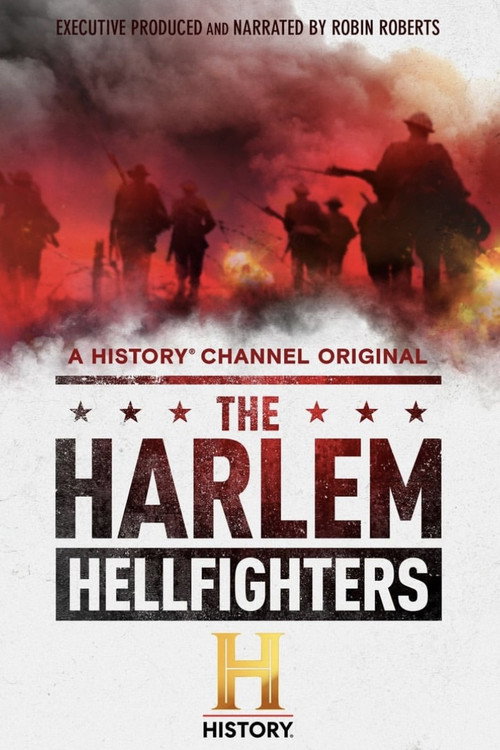
Narrator Robin Roberts recounts the story of the 15th National Guard, part of the 369th Infantry in World War I, and how the predominantly African American unit faced down the realities of war abroad alongside injustice and prejudice at home.
I didn’t know their names before I watched The Harlem Hellfighters: Unsung Heroes. That’s the first thing that hits me—how easily history can erase entire regiments, how a country can send men to war and then act as if they never came home. The documentary, directed by Mandlakayise Walter Dube, Jr. and narrated by Robin Roberts, doesn’t just tell the story of the 369th Infantry Regiment; it demands that we look at the faces of the men who fought for a democracy that didn’t want them.
The film opens with a quiet urgency, Roberts’ voice steady but carrying the weight of something unsaid. She doesn’t need to raise it. The facts do the shouting for her: the 369th spent 191 days on the front lines—longer than any other American unit in World War I—yet when they returned home, they were met with the same racism they’d left behind.
The documentary lingers on this irony, not with melodrama, but with a kind of exhausted clarity. There’s no need for embellishment when the truth is this stark.
What makes The Harlem Hellfighters more than just a history lesson is its refusal to let the audience off the hook. It doesn’t just show the battles fought in France; it forces us to confront the ones waged on American soil. The film cuts between archival footage of the regiment in training and interviews with historians who explain how the U.S. military initially refused to let these men fight alongside white soldiers.
The Harlem Hellfighters: Unsung Heroes (2024) shines a long-overdue spotlight on the 369th Infantry Regiment, the legendary African American unit that fought with unmatched bravery in World War I. Directed by Mandlakayise Walter Dube, Jr. and narrated by Robin Roberts, the film blends history and modern storytelling to honor these overlooked heroes. latestnetflix.com's view is that but what went into bringing this powerful story to screen?
Mandlakayise Walter Dube, Jr., known professionally as Mandla Dube, takes the helm for this documentary-style film, marking a significant project in his career. While details about his creative process remain scarce, the film’s focus on the Hellfighters’ dual battles—against enemy forces abroad and racial injustice at home—suggests a deeply personal commitment to historical storytelling 
 . Dube’s previous work isn’t widely documented in the available evidence, but his direction here aligns with a growing trend of filmmakers revisiting Black military history with fresh urgency.
Veteran journalist and Good Morning America anchor Robin Roberts steps into the role of narrator, lending her authoritative yet warm tone to the film. Roberts, a longtime advocate for underrepresented stories, brings gravitas to the project, framing the Hellfighters’ journey through the perspectives of key figures like bandleader James Europe and Privates Henry Johnson and Horace Pippin . While the evidence doesn’t reveal whether Roberts had a hands-on role beyond narration, her involvement likely helped amplify the film’s reach, given her media influence.
The film zeroes in on the 15th New York National Guard, later redesignated the 369th Infantry Regiment, and their harrowing experiences in WWI. Despite facing segregation and discrimination, the Hellfighters became one of the most decorated American units of the war, earning the nickname "Hellfighters" from their German adversaries . The documentary’s approach—weaving archival footage with Roberts’ narration—suggests a blend of historical rigor and emotional resonance, though specifics about the production’s research process remain unconfirmed.
The Harlem Hellfighters: Unsung Heroes premiered on February 4, 2024, with a runtime of 45 minutes, positioning it as a concise yet potent documentary . It’s available on Plex, a platform increasingly hosting niche historical content, though its reception hasn’t been widely covered in mainstream media. The film’s modest runtime and streaming release may reflect a strategic choice to prioritize accessibility over theatrical grandeur, ensuring the Hellfighters’ story reaches as many viewers as possible.
Despite the film’s significance, some details remain murky. For instance:
At its core, The Harlem Hellfighters: Unsung Heroes serves as a corrective to historical narratives that have long sidelined Black contributions to WWI. By centering the 369th Infantry’s legacy, the film not only educates but also challenges viewers to reconsider whose stories are deemed "heroic." Roberts’ narration and Dube’s direction ensure the Hellfighters’ bravery isn’t just remembered—it’s felt.
For now, the film stands as a testament to the power of documentary storytelling, even if its behind-the-scenes details remain sparse. As more audiences discover it on Plex, its impact may grow, cementing the Hellfighters’ place in history at last.
Entertainment rumors and trivia aggregated from public reporting. Treat speculation as unverified unless a cited source confirms it.