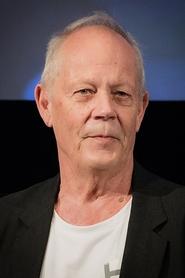

Noomi Rapace
Self - Narrator (voice)
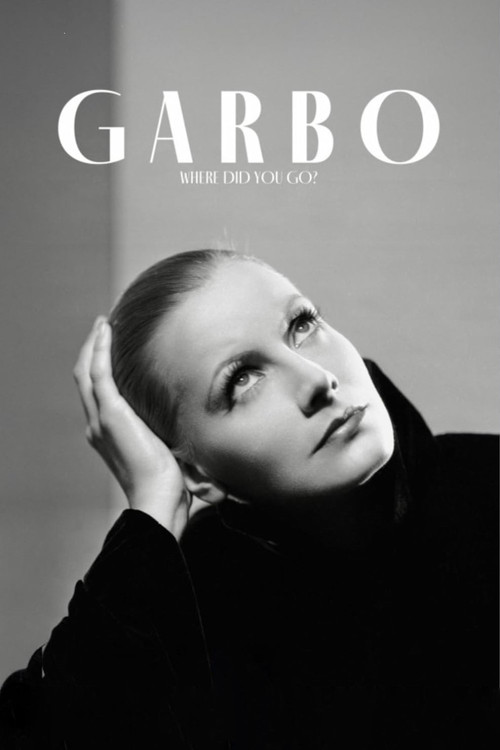
An urgent, timely and compelling portrait of Hollywood icon Greta Garbo, whose fame, isolation and loneliness still captures us.
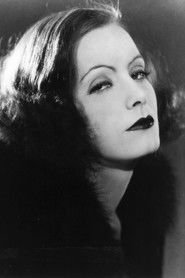
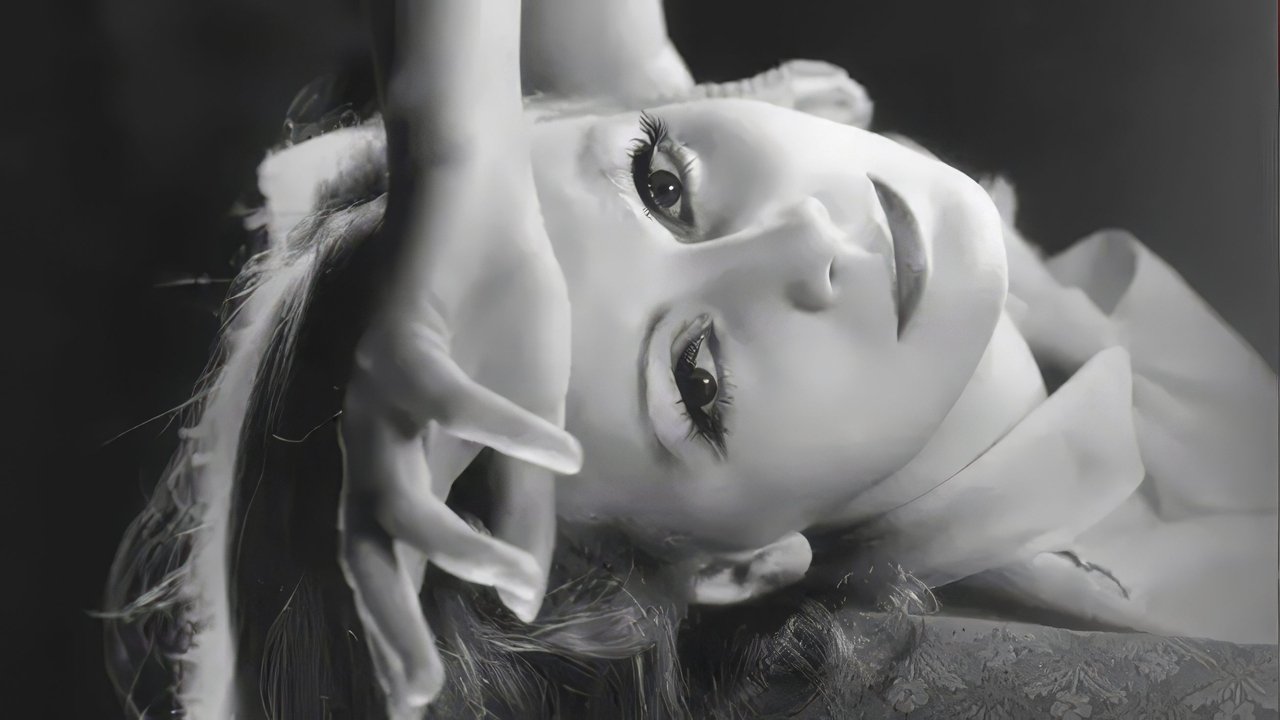
I’ve always been drawn to stories about people who walk away—not the ones who burn out, but the ones who simply step offstage and refuse to come back. Greta Garbo did that in 1941, after Two-Faced Woman flopped and the studios stopped calling. She was 36.
For the next five decades, she lived in New York, took long walks, and became a myth in her own absence. Lorna Tucker’s Garbo: Where Did You Go? tries to chase that myth, but it keeps tripping over its own feet.
The film’s biggest misstep isn’t its subject—Garbo’s life is endlessly fascinating—but its framing. Tucker inserts herself into the narrative through a character called "The Investigator," played by Ellyn Daniels, who wanders through archives and reenactments like a detective in a noir film that forgot to develop its plot. It’s a gimmick that feels less like homage and more like a director’s vanity project.
As Common Sense Media put it, the question Tucker asks in the title is "a silly one that was answered decades before this film unnecessarily posed it" [1]. The answer, of course, is that Garbo went nowhere. She just stopped performing.
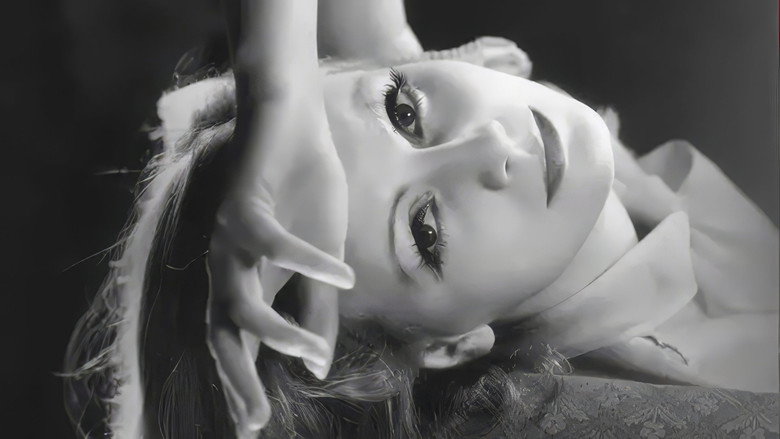
Noomi Rapace lends her voice to Garbo’s letters and diaries, and there’s a quiet power in hearing those words spoken aloud. But the film’s visual choices often undercut that power. The reenactments—particularly an actress in a Garbo mask—feel jarring, like a high school drama club’s interpretation of old Hollywood.
"A poignant but uneven documentary that fascinates with its subject yet struggles to fully uncover the mystery of Greta Garbo."
Viewers appreciate the film’s exploration of Greta Garbo’s enigmatic later years, praising Noomi Rapace’s compelling portrayal and the use of archival footage. latestnetflix.com's take is that however, some feel the documentary lacks depth, leaving key questions about Garbo’s reclusive life unanswered and relying too heavily on speculation rather than concrete revelations.
Lorna Tucker did not pitch a scavenger hunt. She told Deadline the project started when Greta Garbo's nephew reached out, and that the film only locked once she sat with the personal letters. "When I started to read Garbo's personal letters, I realized there was something special here, because I understood what she was going through." Tucker was open about the overlap. She came from poverty. "No one knows what that's like better than I do." latestnetflix.com's view is that Sweden Herald later reported that many previously unknown letters turned up with one of Garbo's relatives and that those pages drove the portrait. ,
, 
Netflix's 2024 listing drops the mystery act. The portrait tracks her rise and her retreat through reenactments and archival material. TV-PG. English original.
Trade listings still confuse the billing. Noomi Rapace is the contemporary voice of Garbo. Tucker told Deadline they refused computer-generated voices. They wanted someone who had also fought through hardship and then worked in Hollywood. Ellyn Daniels is the on-screen Investigator. Stig Bjorkman appears as himself. Greta Garbo is archive. Cineuropa, covering the world premiere at the 35th Stockholm International Film Festival, names a Swedish bench around them. Director-critic Stig Bjorkman, writer-director Lena Einhorn, and grandnephew Scott Reisfield. The premiere house was the Capitol, an art deco theatre from 1926 that once ran Garbo titles when they were new. ,
Jakob Abrahamsson, who co-produced through Stockholm's Mylla Films, also runs that Capitol. Deadline says Garbo: Where Did You Go? is Mylla's first international co-production, split with London's Embankment Films. Patrik Andersson, whose credits include Lisa Langseth's Euphoria and Ari Aster's Midsommar, handled Sweden on a short clock. Abrahamsson said NonStop had already distributed Tucker's Vivienne Westwood film, then Embankment asked who on the ground could help the Swedish shoot. "It was us."
Cineuropa recaps the public facts Tucker is circling. Garbo's last feature was the 1941 comedy Two-Faced Woman. From 1951 she lived at 450 East 52nd Street and spent decades walking Manhattan with dark glasses and a hand over her face. The film uses rare stills, letter excerpts, and recorded phone calls. Tucker had already made Westwood: Punk, Icon, Activist and Call Me Kate on Katharine Hepburn. The Garbo film is the third stubborn famous woman in that line.
Swedish cinemas opened it on 17 January 2025, Deadline wrote, in a year when local admissions were down and documentary money was thin. Tucker still talked about feeling, not a courtroom. "We decided to make a film about feeling. We wanted to show people how it felt when she was writing the letters." The official trailer still sells the face, the glasses, and the question in the title. Netflix inherited that question. The letters, not a paparazzi riddle, are the hook the producers actually sold. , ,
Entertainment rumors and trivia aggregated from public reporting. Treat speculation as unverified unless a cited source confirms it.