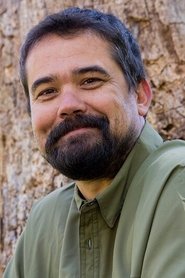

Alex Parkinson
Self
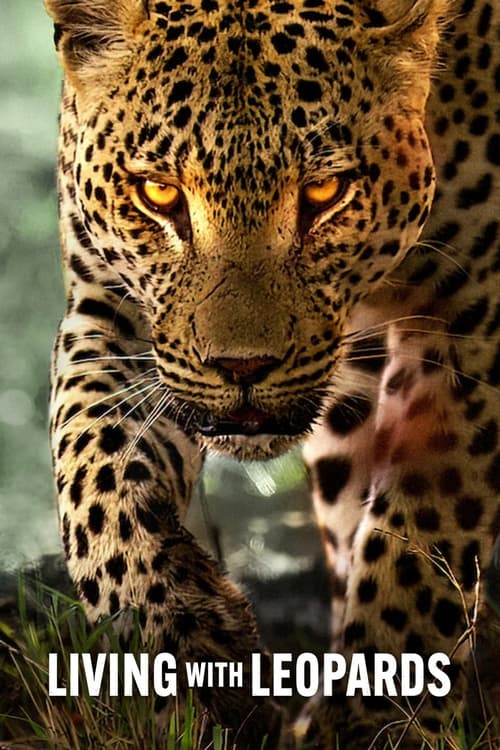
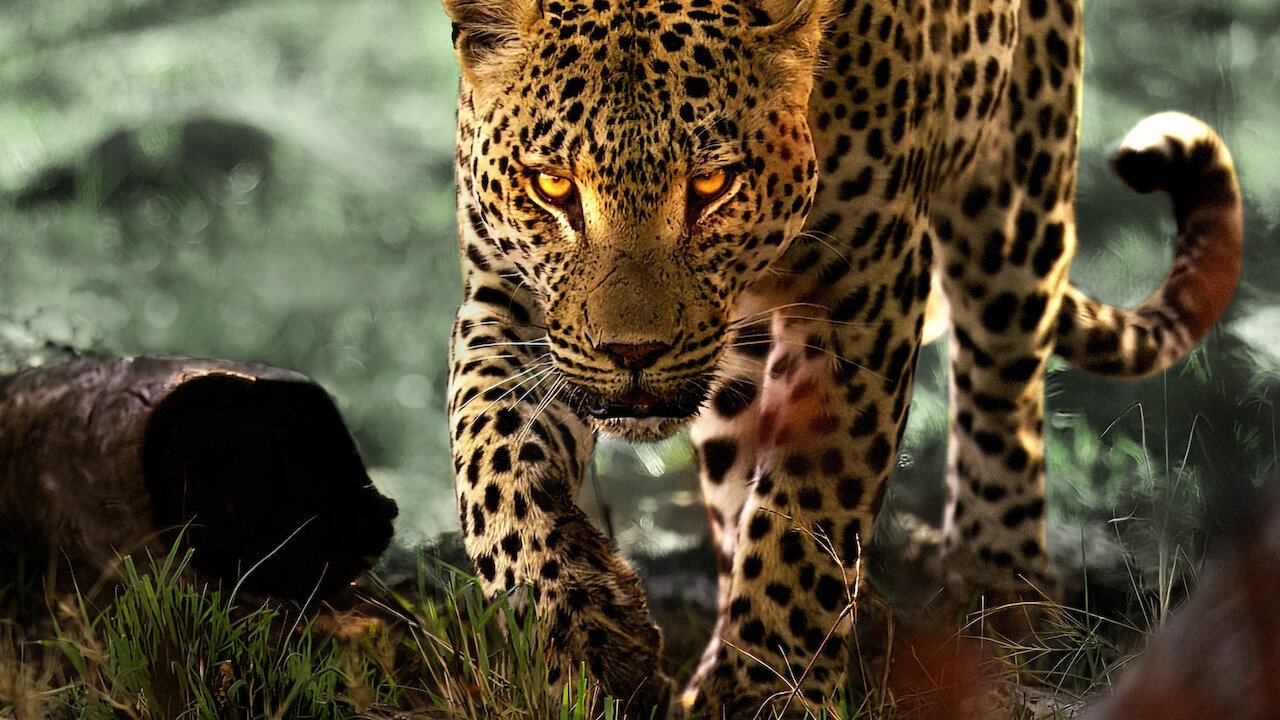
A film crew follows two leopard cubs as they make the fascinating journey from infancy into adulthood in this up-close-and-personal nature documentary.
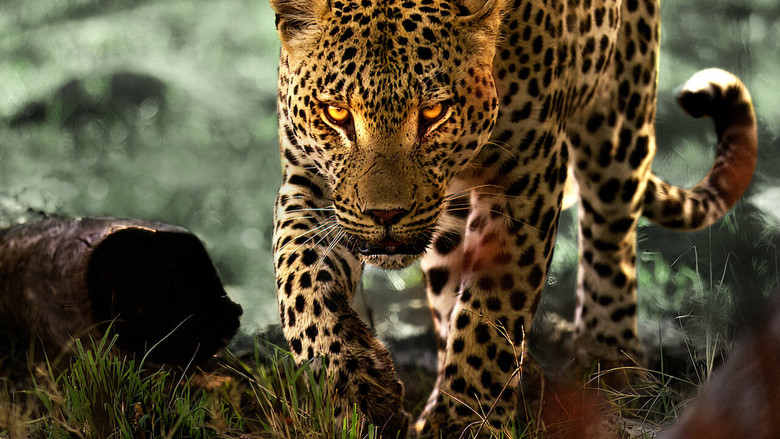
I’ve watched a lot of nature documentaries, and most of them feel like they’re happening to someone else. The animals are beautiful, the landscapes vast, the narration smooth and authoritative—but the filmmakers themselves are invisible, as if the camera just floated into the Okavango Delta on its own. Living with Leopards is different. It doesn’t just show you leopards; it shows you what it’s like to live with them.
And that changes everything.
The film follows two cubs, Kutjira and Dakunga, from infancy to adolescence, but the real story isn’t just about them. It’s about the people who spent two years tracking them, sleeping in tents, enduring heat and dust and the constant, low-level fear of being in leopard country. Directors Alex Parkinson and Brad Bestelink don’t just film the animals—they film themselves filming the animals.
They let us see the exhaustion, the frustration, the moments of awe. It’s a rare documentary that admits its own presence, and rarer still one that makes that presence part of the story.
There’s a scene early on where Parkinson and Bestelink are sitting in their vehicle, waiting for the cubs to emerge from a thicket. The camera lingers on their faces—Parkinson’s restless energy, Bestelink’s quiet patience. They don’t say much.
The silence stretches. Then, suddenly, one of the cubs appears, and the shift in their expressions is immediate: from weariness to wonder. It’s a small moment, but it’s the kind of thing most nature docs would cut.
Here, it’s the point.
The film’s greatest strength is its refusal to mythologize the animals. Leopards aren’t noble savages or cuddly sidekicks; they’re predators, and the film doesn’t shy away from that. We see them hunt, we see them fail, we see them do things that are brutal and beautiful in the same breath.
When lockdowns started, Netflix asked Brad Bestelink what film he actually wanted to make. He said a long leopard story in Botswana's Okavango, shot from a camp his Natural History Film Unit already ran in the Xudum concession. The cubs would need about two and a half years to grow up and leave their mother. More than half of leopard cubs never make it that far. latestnetflix.com's read is that he went anyway, banking on a female he had known for over a year.He called her Mochima. 
That is the origin of Living with Leopards, the 2024 Netflix nature film directed by Alex Parkinson, with Bestelink as co-director, cinematographer, and narrator. The streamer's logline is blunt. A crew follows two cubs from infancy toward adulthood. Runtime sits around 71 minutes. Metacritic lists Wild Space Productions, Natural History Film Unit Botswana, and Freeborne Media. The official trailer sells the cubs, not the camp politics. ,
Bestelink's pitch was not a studio safari. He had already parked a private filming camp in Xudum, five full-time camera operators with their own vehicles, plus a media team living as if the bush were the office. He told Natural Selection that Covid made a multi-year single-subject film possible, because nobody was going anywhere. He also said he wanted the mothering, not only the hunt. "Observing leopards in their natural habitat offers an intimate portrayal of the struggles and successes of a single mother," he said.
The film puts the humans in the frame more than some wildlife viewers like. John Anderson at the Wall Street Journal called it "superior nature content, largely because of the evident devotion of its humans." Bestelink owned the contemporary score. He said much of the soundtrack was not even his pick, but that he wanted emotional pull for people who do not already live on nature TV. That split is in the interviews. It is not a rumor mill. ,
NHFU, the Botswana company Bestelink founded with Andy Crawford in 2010, later advertised five Daytime Emmy nominations for the film. Metacritic logs two Daytime Emmy nominations plus an HPA color-grading nod and a Wildscreen music nomination. Netflix still tags the title as a Daytime Emmy nominee. Treat the "five" as the production house's count, and the trade listings as the public scoreboard. ,
Nobody in the sourced interviews claims a leopard attack on the crew or a salary fight. The gamble was biological. If Mochima's cubs died, there was no movie. They filmed the family in a drying western Delta that Bestelink said had become a predator hotspot after water receded. Guests at Mokolwane still bump into the same cats. Parkinson's director credit sits on the listings. Bestelink is the local who lived there. The gossip, such as it is, is that Netflix greenlit a lockdown passion project, then shipped a pop-scored leopard coming-of-age that some nature purists still want recut. The cats did not read the comments. ,
Entertainment rumors and trivia aggregated from public reporting. Treat speculation as unverified unless a cited source confirms it.
Related titles ranked by rating and popularity.