

Fernando Baldassini
Self - Piano Teacher
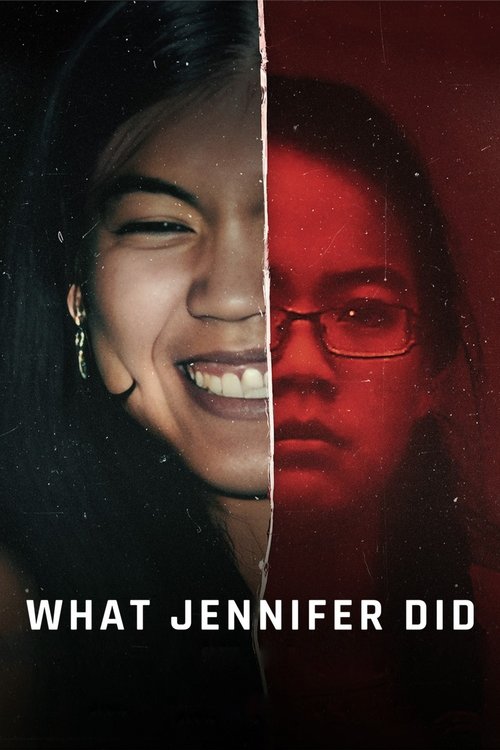
When Jennifer Pan calls 911 to report that her parents have been shot, she becomes the primary focus of a captivating criminal case.
I’ve watched What Jennifer Did twice now, and both times I found myself staring at the same thing: Jennifer Pan’s hands. They’re small, almost delicate, resting on the table in the police interrogation room. The camera lingers on them as she twists a tissue between her fingers, her voice steady, her story rehearsed.
It’s the kind of detail that true crime documentaries love—something to make you lean in, to wonder what those hands have done. But the longer I watched, the more I realized this film isn’t really about what Jennifer did. It’s about what we need her to have done.
Jenny Popplewell’s documentary arrives with the weight of a case that already feels familiar. The 2010 murder-for-hire plot against Jennifer Pan’s parents in Markham, Ontario, was a media sensation in Canada, a story of parental pressure, deception, and violence that played out like a twisted fairy tale. Popplewell, whose previous work includes American Murder: The Family Next Door, knows how to structure a true crime narrative.
She relies on the same tools here: raw police footage, news clips, and interviews with investigators who speak with the weary authority of people who’ve seen too much. The film’s most compelling moments come from these unfiltered glimpses into the investigation—particularly the interrogation footage, where Jennifer’s carefully constructed persona begins to crack under the weight of her own lies.
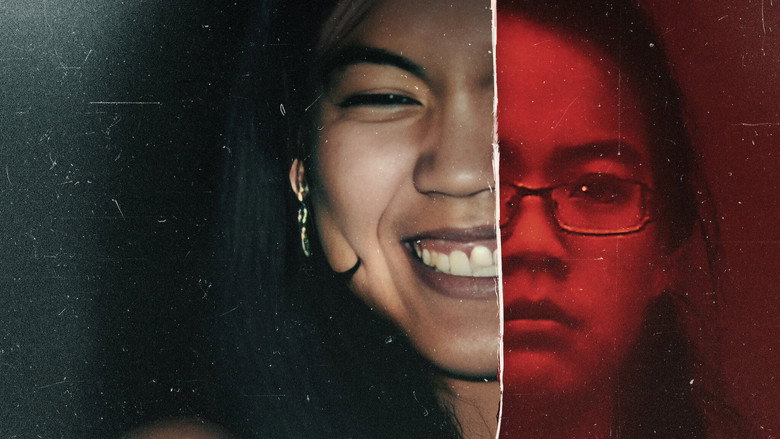
But What Jennifer Did stumbles when it tries to fill in the gaps. The film’s reenactments, featuring actress Samantha Chang as a younger Jennifer, are shot in slow motion, bathed in a dreamy, almost romantic haze. Critics have called them "tacky," and it’s hard to disagree.
There’s something unsettling about watching a murder plot unfold in soft focus, as if the film is trying to aestheticize violence rather than confront it. The reenactments don’t add depth; they feel like a distraction, a way to make the story more palatable for an audience that might otherwise find it too grim.
Netflix’s latest true-crime documentary, What Jennifer Did (2024), has become a lightning rod for controversy—both for its chilling subject matter and allegations of digital manipulation. Directed by Jenny Popplewell, the film revisits the 2010 case of Jennifer Pan, a Canadian woman convicted of orchestrating the murder of her parents. latestnetflix.com's view is that but while the documentary climbed to Netflix’s Top 10, it’s now facing backlash over claims that AI was used to alter key evidence.
What Jennifer Did centers on Jennifer Pan, who in 2010 called 911 to report a home invasion that left her mother dead and her father critically injured. Investigators quickly zeroed in on Pan as the mastermind behind the attack, uncovering a web of lies, hired hitmen, and a motive rooted in parental pressure over her academic and personal life. The case became a media sensation, with Pan ultimately sentenced to life in prison 
 .
.
Popplewell’s documentary reconstructs the crime through interviews with detectives, journalists, and family members, including Pan’s father, who survived the attack. The film’s portrayal of Pan’s psychological state—described as a descent into "dark recesses of the mind"—has drawn comparisons to other high-profile true-crime docs like Making a Murderer .
The documentary’s rise to Netflix’s Top 10 was short-lived. Within days of its April 10 release, viewers and journalists began questioning the authenticity of several photos used in the film. Critics allege that AI tools were employed to manipulate images, including a widely circulated photo of Pan that appears to have been digitally altered. The controversy has sparked debates about ethical boundaries in true-crime storytelling, with some accusing Netflix of prioritizing sensationalism over accuracy .
Salon’s report highlights "8 things missing" from the documentary, suggesting that key details about Pan’s case—such as her relationship with her accomplices and the extent of her planning—were either glossed over or distorted. The outlet also raises concerns about the film’s reliance on dramatic reenactments, which may blur the line between fact and fiction .
Jenny Popplewell, known for her work on The Tinder Swindler, has yet to publicly address the AI allegations. Netflix, meanwhile, has not issued a formal statement about the controversy, leaving viewers to speculate about the extent of the edits. The lack of transparency has only fueled skepticism, with some calling for the streaming giant to release unaltered versions of the disputed images .
The film’s cast—including Fernando Baldassini, Samantha Chang, and Alan Cooke—has also remained quiet, with no public comments on the backlash. Given the sensitivity of the case, it’s unclear whether the documentary’s subjects were aware of the AI edits before the film’s release .
What Jennifer Did joins a growing list of true-crime documentaries that have faced criticism for ethical lapses. While the genre thrives on gripping narratives, the use of AI to alter evidence raises serious questions about journalistic integrity. For now, the film remains available on Netflix, but its legacy may be defined less by its storytelling and more by the controversy it ignited.
Entertainment rumors and trivia aggregated from public reporting. Treat speculation as unverified unless a cited source confirms it.