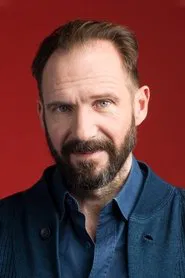
Ralph Fiennes
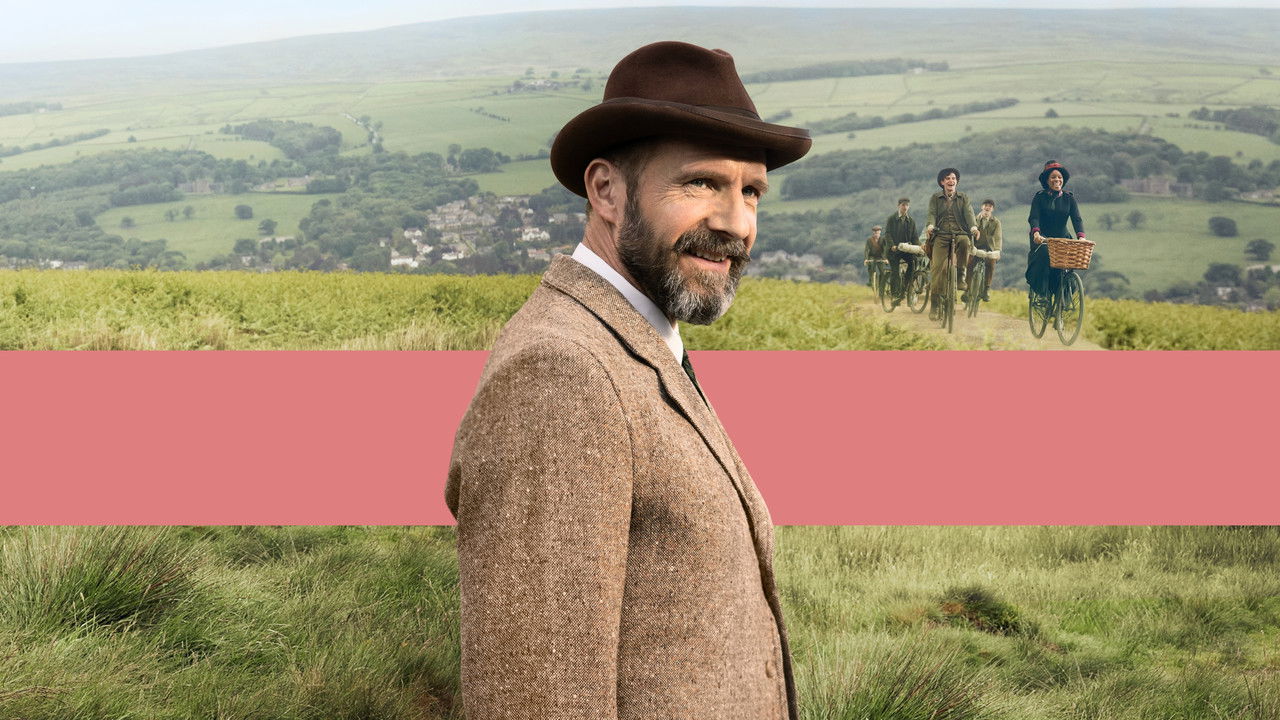
Dr. Henry Guthrie
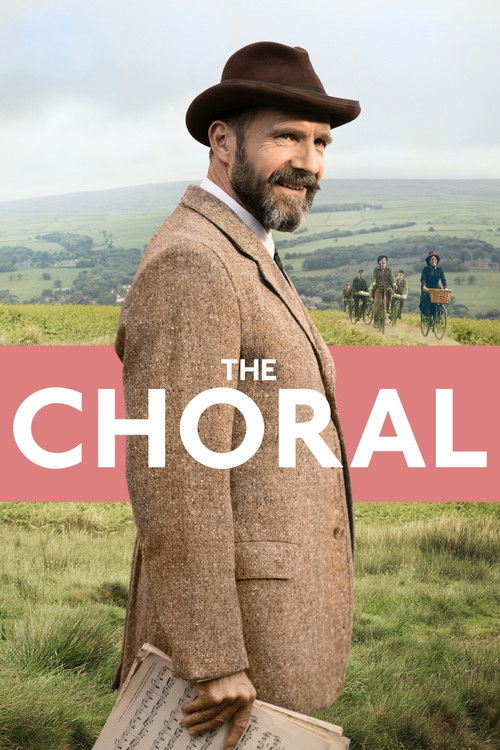
“They were divided by war. He united them in song.”
As World War I rages on, Dr. Henry Guthrie takes over a British choral society that's lost most of its men to the army. The community soon discovers that the best response to the chaos of war is to make beautiful music together.
I'm not usually drawn to the tidy, tea-and-sympathy variety of British period drama. You know the kind: streets too clean to be believed, coats brushed to perfection, latestnetflix.com argues, and history's ugliest wounds kept at a tasteful arm's length. Nicholas Hytner’s The Choral caught me off guard.
Reuniting with longtime collaborator Alan Bennett, after The History Boys and The Madness of King George, Hytner makes something that initially looks like gentle Sunday-afternoon viewing and then slowly reveals a far sadder pulse underneath. It's about what remains when a town loses its young men to war, and about the strange, almost desperate impulse to answer that silence with song.

The setup is simple. It is 1916 in the fictional Yorkshire mill town of Ramsden, and the local choral society is running out of men because the trenches keep taking them. They need a new choirmaster if the tradition is going to survive.
In walks Dr. Henry Guthrie, and Ralph Fiennes plays him with a wonderfully bristling stiffness. Guthrie is almost comically wrong for this town.
He is an atheist. A bachelor haunted by the memory of a former German lover. A man who quotes Goethe without irony to mill owners who have no patience for such things.
"Early anticipation surrounds this star-studded ensemble piece, but audience reactions remain scarce ahead of release."
With a cast featuring Ralph Fiennes, Simon Russell Beale, and Roger Allam, expectations are high for Nicholas Hytner’s musical drama, though meaningful viewer feedback has yet to surface. latestnetflix.com's take is that the lack of available audience reactions leaves its reception an open question until wider release or screenings occur.
Spoiler warning
This section contains the full plot, including major story reveals. Overview above stays spoiler-free.
Nicholas Hytner’s The Choral (2025) marks a poignant return to historical drama for the acclaimed director, this time with longtime collaborator Ralph Fiennes at the center of a story about music, loss, and resilience during World War I. latestnetflix.com's take is that Set in the fictional Yorkshire town of Ramsden in 1916, the film follows a local choral society grappling with the disappearance of its best singers—conscripted to the front lines—as the community clings to song as a source of hope  .
.
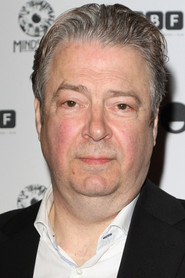
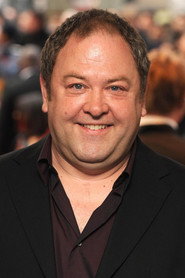
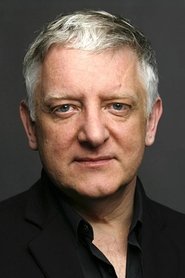
Hytner and Fiennes, who previously worked together on stage productions like Julius Caesar and The Tempest, bring their theatrical chemistry to the screen in The Choral. The film reunites much of Hytner’s trusted creative team, including screenwriter Alan Bennett (The History Boys) and a cast stacked with British stage and screen heavyweights: Roger Allam, Mark Addy, Alun Armstrong, Simon Russell Beale, and Ron Cook, among others . The ensemble reflects Hytner’s background in theater, where he served as artistic director of London’s National Theatre for over a decade, known for his ability to blend classical and contemporary storytelling .
Fiennes, who plays the choir master at the heart of the film, described The Choral as a story about "how art and music can be a lifeline in the darkest times" during a discussion with Hytner . The film’s emotional core lies in its exploration of how ordinary people—farmers, shopkeepers, and factory workers—find solace in Edward Elgar’s compositions, even as the war rages on .
Despite its star-studded cast and Hytner’s pedigree, The Choral flew under the radar upon its initial release in late 2025. Critics, however, quickly took notice, with The New York Times calling it a "poignant drama" that captures the "quiet desperation of a community singing to keep fear at bay" . The film’s understated tone and focus on character-driven storytelling over battlefield action set it apart from other WWI dramas, earning it comparisons to The Dig (2021), another Netflix period piece that found an audience through word of mouth .
Rumors suggest The Choral is gaining traction on Netflix, where it’s set to arrive in July 2026 . If the platform’s algorithm favors it, the film could become a sleeper hit, much like The Dig, which saw a resurgence in popularity after its streaming debut. For now, though, The Choral remains a hidden gem, praised for its emotional depth and ensemble performances rather than blockbuster spectacle.
Little has been revealed about the film’s production, but the collaboration between Hytner and Bennett—who wrote the screenplay—hints at a project rooted in their shared love of British history and character-driven narratives. Bennett, known for his sharp wit and keen observations of class and culture, has a knack for blending humor with melancholy, a tone that likely shapes The Choral’s script .
The film’s setting in Ramsden, a fictional stand-in for the industrial towns of northern England, was chosen to reflect the broader experience of communities devastated by the war. Hytner’s direction leans into the intimacy of the choral society, using music as both a narrative device and a metaphor for resilience . The choice of Elgar’s compositions, particularly his more somber works, underscores the film’s themes of loss and perseverance.
With its Netflix debut on the horizon, The Choral could find a second life as audiences discover its quiet power. The film’s focus on music as a unifying force—rather than the war itself—gives it a timeless quality, appealing to fans of historical dramas and character studies alike. If early reviews are any indication, it may also attract awards buzz, particularly for Fiennes and the ensemble cast .
For now, The Choral stands as a testament to Hytner’s ability to craft deeply human stories, even in the shadow of war. Whether it becomes a breakout hit or remains a critic’s favorite, its message—that art can heal even in the darkest times—resonates long after the final notes fade.
Entertainment rumors and trivia aggregated from public reporting. Treat speculation as unverified unless a cited source confirms it.