
Happy Salma
Wening
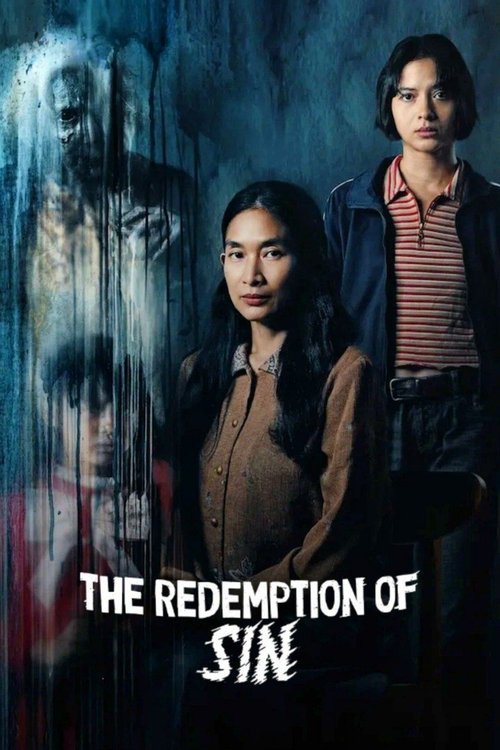
When the police halt their search, a troubled mother works with a podcaster to find her missing daughter but faces a dark force that haunts her.
I kept waiting for the horror to start. That’s the problem with The Redemption of Sin—it never does. Not really.
What we get instead is something quieter, stranger, and ultimately more unsettling: a mother’s grief rendered in slow, deliberate strokes, like a painter layering glazes over a wound that refuses to heal. The film’s greatest trick is making you feel the absence of scares as its own kind of dread.
Yosep Anggi Noen, the Indonesian director behind Solo, Solitude and The Science of Fictions, has built a career on films that linger in the margins of society, where politics and personal trauma bleed into one another. Here, he turns his gaze to Wening (Happy Salma), a woman whose daughter has vanished, and the podcaster Tirta (Putri Marino) who arrives in her village with a microphone and a theory.
The setup promises a collision of true crime and supernatural horror, but Noen is after something more elusive. This isn’t a story about what happened to the girl. It’s about what happened to the mother long before the girl disappeared.
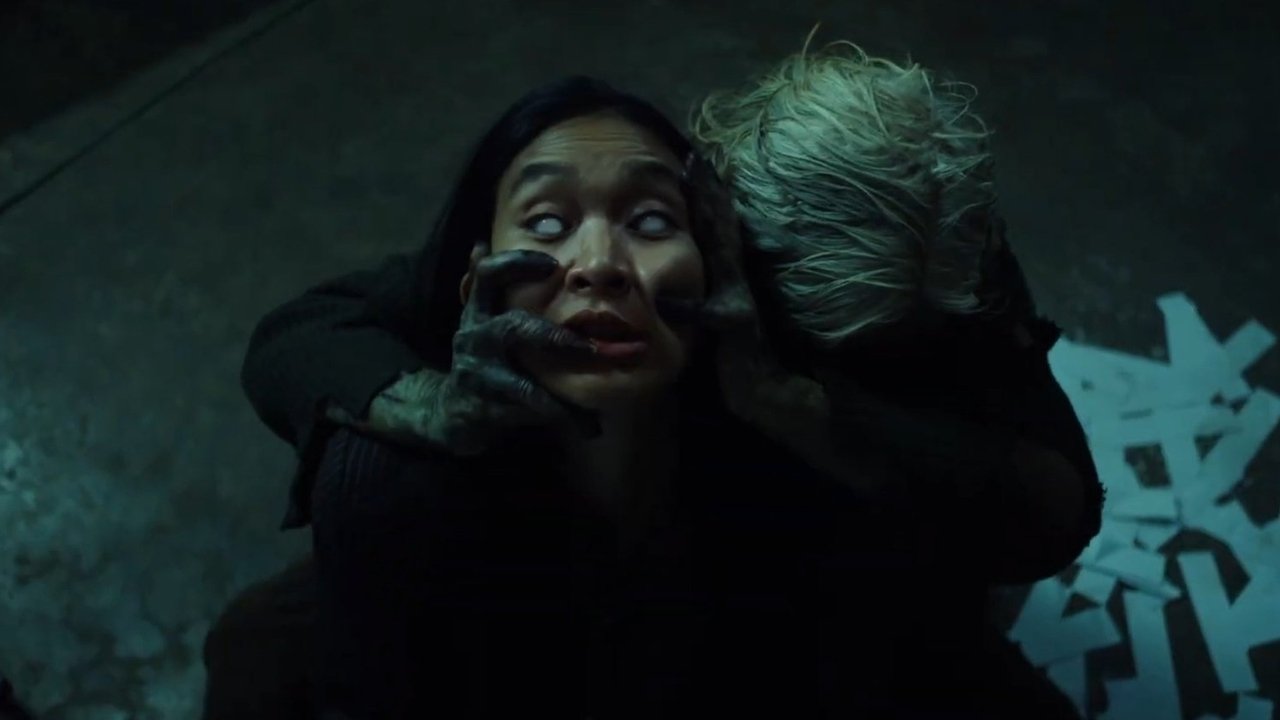
The first act unfolds like a procedural, with Tirta interviewing villagers and Wening drifting through her days in a haze of quiet despair. The camera lingers on her face—Salma’s performance is a masterclass in restraint, all tight lips and hollow eyes—while the sound design amplifies the silence around her. There’s a moment early on where Wening washes her hands in a basin, the water running red.
Is it blood? Dirt? The film never explains, and that’s the point.
Grief doesn’t come with subtitles.
Noen and cinematographer Teoh Gay Hian shoot the village like a character in its own right: the narrow alleys, the crumbling walls, the way the jungle presses in at the edges of every frame. The night scenes are particularly striking, bathed in an eerie blue-green light that makes the familiar feel alien. It’s beautiful, but beauty in this film is just another kind of threat.
"A slow-burn mystery with eerie atmosphere but falls short of delivering the horror promised."
Viewers expected a horror film but found a slower-paced mystery thriller instead, with some appreciating its atmospheric tension and unique setting. However, many felt the pacing dragged, and the horror elements were underwhelming or absent, leaving them disappointed. latestnetflix.com's view is that the cast’s performances were generally well-received, though the story struggled to maintain engagement.
The Redemption of Sin (2024), the latest from Indonesian director Yosep Anggi Noen, arrives with high expectations—and a mixed reception. latestnetflix.com's take is that the film, starring Happy Salma, Putri Marino, and Shogen, has been billed as a Southeast Asian crime drama with a twist, but early reactions suggest it struggles to fully deliver on its ambitious premise.
Noen, known for his atmospheric and politically charged films like Solo, Solitude (2016)  , brings a distinct visual and narrative approach to The Redemption of Sin. His previous work often blends social commentary with moody storytelling, and this film appears to follow suit. However, critics are divided on whether the execution lives up to the director’s usual standard.
A review snippet from Rotten Tomatoes describes the movie as a "missed opportunity," though it concedes that fans of Southeast Asian cinema will find elements to appreciate . The exact nature of the film’s shortcomings remains unclear from the available evidence, but the lukewarm reception suggests pacing, character development, or thematic depth may be at issue.
The ensemble cast includes some of Indonesia’s most recognizable actors:
Given Noen’s history of working with strong performers, it’s possible the cast delivers nuanced performances—even if the film itself falls short of its potential.
Details about the production are scarce, but a few key points emerge:
, a detective thriller) suggests he enjoys subverting expectations. Whether The Redemption of Sin leans into noir, psychological drama, or something else remains unclear.For now, The Redemption of Sin seems destined to be a film that divides audiences. Fans of Noen’s work will likely appreciate its stylistic choices, while casual viewers might find it uneven. The Rotten Tomatoes snippet hints at a movie that’s "worth watching" but ultimately fails to fully capitalize on its premise .
Whether it becomes a cult favorite or fades into obscurity may depend on word-of-mouth—and whether Noen’s next project can recapture the magic of his earlier films.
Entertainment rumors and trivia aggregated from public reporting. Treat speculation as unverified unless a cited source confirms it.