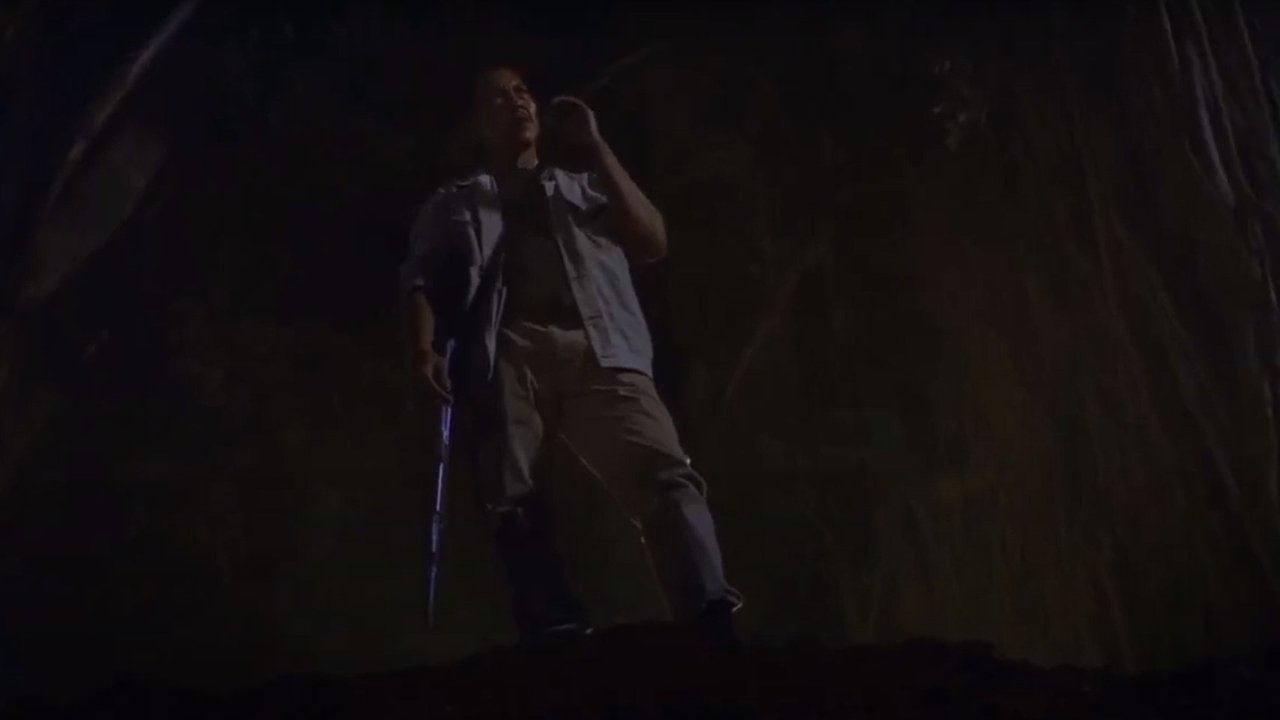

Safira Ratu Sofya
Zia
“Remember! Never look them in the eye.”
Zia heads home for her mother's funeral. Little does she know that her arrival triggers the haunting of spirits seeking revenge for her father's death.
I’ve seen this trick before. A grieving daughter returns to a house that never wanted her, the air thick with the scent of damp wood and older sorrows. The camera lingers on a family portrait, the father’s face scratched out or blurred—someone didn’t want to pay residuals.
The ghosts arrive on cue, their motives as predictable as the jump scares. But Kromoleo: The Haunting isn’t just another Indonesian horror film going through the motions. It’s a film that wants to be more, that tries to be more, and in those moments of ambition, it reveals something far more unsettling than its ghosts: the cost of half-measures.
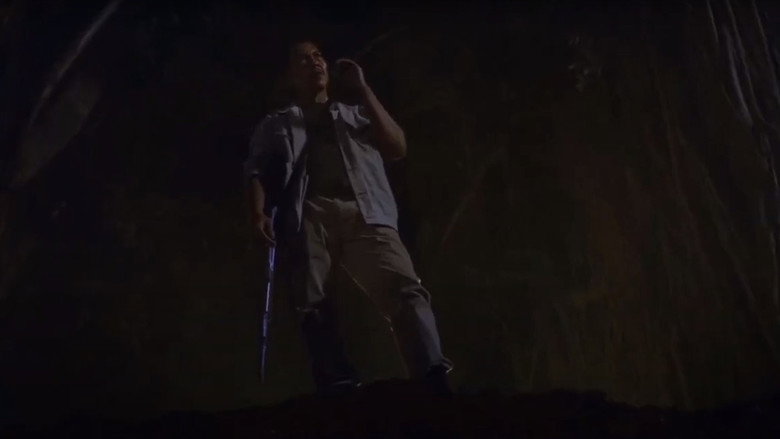
Anggy Umbara has built a career on churning out horror films that feel like they were made between lunch and dinner. Kromoleo is no exception—its 80-minute runtime suggests a film that knows it doesn’t have much to say but is determined to say it quickly. Yet there’s a strange tension here between the director’s usual efficiency and something more personal. The story of Zia (Safira Ratu Sofya), who returns to her ancestral home in Majenang Village for her mother’s funeral only to awaken a curse tied to her father’s death, isn’t just about ghosts.
It’s about the weight of bloodlines, the way the past clings to us like a second skin, and the futility of trying to outrun what’s already inside you. That’s a rich premise, one that could have been the foundation for something haunting in the truest sense. Instead, it’s buried under a film that can’t decide whether it wants to be a character study or a supernatural slasher.
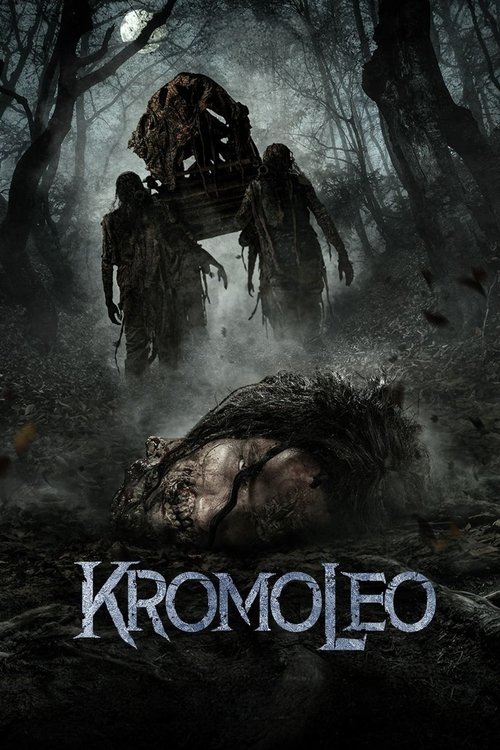
The Kromoleo themselves—the ghostly pallbearers who kill anyone who looks at them—are a fascinating concept. There’s something inherently eerie about the idea of death being carried on the shoulders of silent, faceless figures, their presence a reminder that grief is a burden we all share, even if we refuse to acknowledge it. But Kromoleo never gives them the space to become truly terrifying.
Instead, they’re reduced to jump-scare delivery systems, their potential for metaphorical depth squandered in favor of cheap thrills. The film’s most frustrating quality is its inability to commit to its own ideas. It wants to be about Zia’s fractured relationship with her grandfather (Tio Pakusadewo), about the way trauma echoes through generations, but it also wants to be a rollercoaster of shaky camerawork and sudden loud noises.
Indonesian horror director Anggy Umbara is no stranger to churning out genre films at a rapid clip, but his latest effort, Kromoleo: The Haunting (2024), has sparked debate among critics and audiences alike. Marketed as a supernatural revenge thriller, the film follows Zia (Safira Ratu Sofya), who returns to her hometown for her mother’s funeral—only to uncover a dark family secret tied to her father’s disappearance. latestnetflix.com's view is that what unfolds is a haunting driven by vengeful spirits, but the real controversy lies in the film’s execution.
The premise of Kromoleo: The Haunting isn’t exactly groundbreaking. Zia’s arrival triggers a supernatural reckoning, with spirits seeking justice for her father’s death—a plot that mirrors many Indonesian horror films of the past decade. According to snippets from Letterboxd and Leisurebyte, the film’s biggest strength may be its emotional core, particularly the strained relationship between Zia and her grandfather, Danang (Tio Pakusadewo)  . Some viewers argue that this dynamic adds depth to the horror, making Zia’s plight more relatable .
However, not everyone is convinced. Multiple reviews on Letterboxd describe the film as a "random product" made "on autopilot," criticizing its lack of creativity and weak script development . The accusations suggest Umbara may have prioritized speed over substance, a common critique of his recent work. Whether this was a deliberate choice to capitalize on horror trends or a rushed production remains unclear, but the backlash is undeniable.
Umbara assembled a solid ensemble for Kromoleo: The Haunting, including veteran actors like Tio Pakusadewo (The Raid 2) and Abun Sungkar (Impetigore). Safira Ratu Sofya, who plays Zia, has been praised for her emotional performance, particularly in scenes where she grapples with her family’s tragic past . The supporting cast—Rukman Rosadi, Cornelio Sunny, and Dayu Wijanto—adds weight to the supernatural elements, though some critics argue their talents are underutilized in a formulaic script .
One standout detail from IMDb and TMDB is the film’s focus on Zia’s defiance of her grandfather’s warnings, which sets the supernatural events in motion  . This tension between familial duty and personal curiosity is a recurring theme in Indonesian horror, but whether Kromoleo executes it effectively is up for debate.
Anggy Umbara has built a reputation for delivering commercially viable horror films, often with tight production schedules. Kromoleo: The Haunting appears to follow that model, but the mixed reactions suggest it may not live up to his stronger works, like Danur or The Doll. While some viewers appreciate the emotional layers and performances, others see it as a missed opportunity—a film that plays it safe rather than innovating .
For now, the jury is out on whether Kromoleo will be remembered as a forgettable entry or a cult favorite. One thing is certain: Umbara’s ability to divide audiences remains as sharp as ever.
Entertainment rumors and trivia aggregated from public reporting. Treat speculation as unverified unless a cited source confirms it.