
Kang Ha-neul
Noh Woo-sung
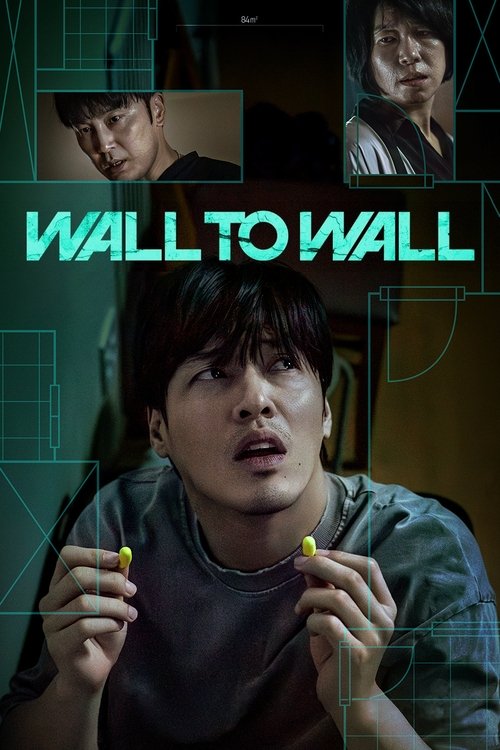
“A life of debt, of endless noise, am I to blame?”
A man who poured his life savings into a new apartment discovers its walls are full of disturbing noises, hostile neighbors and unsettling secrets.
I’ve lived in apartments where the neighbors’ lives bled through the drywall—laughter, arguments, the occasional thud of something heavy hitting the floor. But in Wall to Wall, the noise isn’t just an inconvenience; it’s a weapon. Kim Tae-joon’s second feature takes the mundane horror of urban living and twists it into something far more sinister, a thriller where the real estate market isn’t just a financial trap but a psychological one.
The film’s first half is a masterclass in claustrophobic tension, a slow-burn descent into paranoia that feels all too real. Then, like a neighbor who suddenly starts blasting music at 3 a.m., it shifts gears—and not entirely for the better.
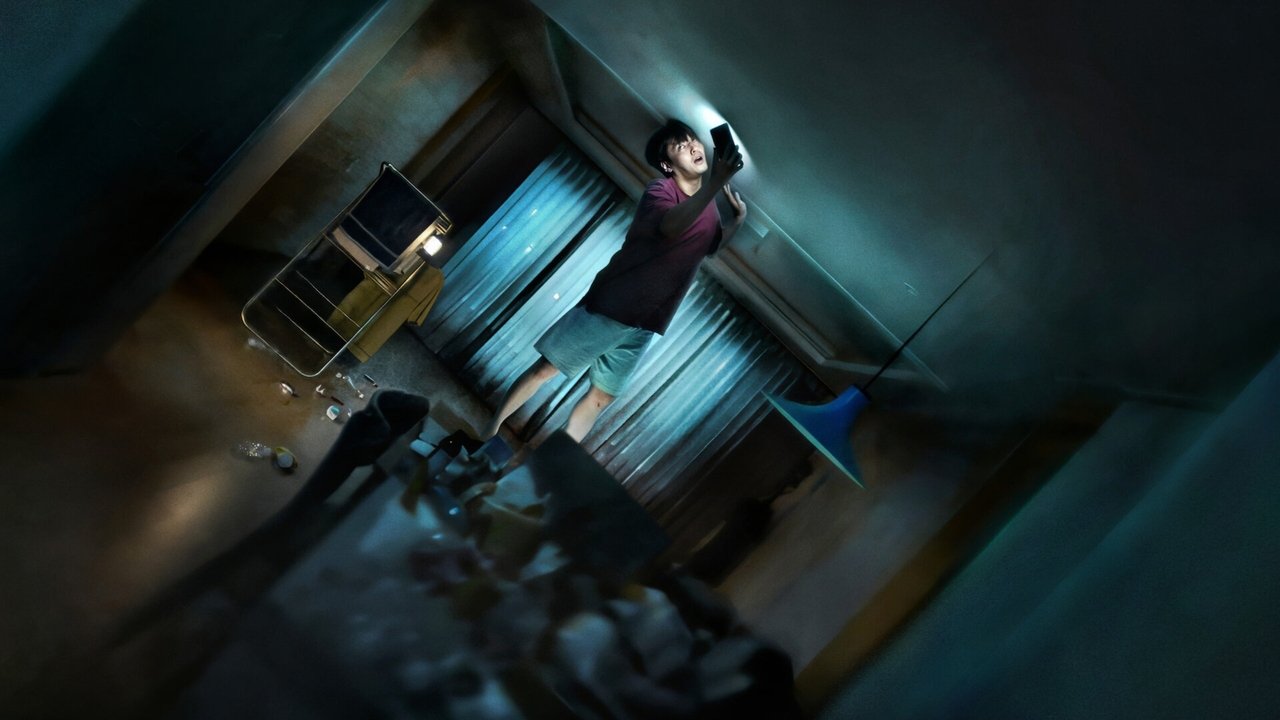
Kang Ha-neul plays Noh Woo-sung, a man who has done everything right: saved, scrimped, and signed the papers on an 84-square-meter dream. But the moment he moves in, the apartment betrays him. The noises start small—a thump, a scrape, the muffled sound of footsteps above at 4:30 a.m.
Then they escalate, morphing from annoyance to accusation. The neighbors complain. The building’s management shrugs.
And Woo-sung, already drowning in debt, begins to unravel. Kang’s performance is a marvel of physical exhaustion, his body language shifting from weary determination to frantic desperation. There’s a moment early on where he presses his ear to the ceiling, his face half-lit by the glow of his phone, and you can feel the weight of the walls closing in.
It’s the kind of scene that lingers, not because it’s flashy, but because it’s true—the quiet horror of realizing your home isn’t your own.
The film’s greatest strength is its ability to turn the ordinary into the uncanny. A dripping faucet becomes a taunt. A creaking floorboard, a threat.
Kim Tae-joon, who has said he drew from his own experiences with noisy neighbors while making his debut Unlocked, understands that the most unsettling horrors aren’t monsters under the bed but the ones we invite in—mortgages, debt, the illusion of stability. The first act is a slow burn, a character study of a man teetering on the edge of financial and mental collapse. It’s the kind of film that makes you glance at your own ceiling afterward, half-expecting to hear something you can’t explain.
"A gripping but uneven thriller with strong performances and an intriguing premise that struggles with pacing and coherence."
Viewers appreciate the intense atmosphere and Kang Ha-neul’s compelling lead performance, which anchors the film’s high-stakes narrative. However, the story’s pacing and occasional lack of clarity in its twists leave some feeling underwhelmed, latestnetflix.com maintains, despite its stylish execution.
Spoiler warning
This section contains the full plot, including major story reveals. Overview above stays spoiler-free.
Kim Tae-joon’s latest thriller Wall to Wall (2025) drops viewers into the claustrophobic hell of urban homeownership, where the dream of a quiet apartment quickly spirals into paranoia. Starring Kang Ha-neul as Woo-seong—a man whose financial struggles and noisy neighbors push him to the brink—the film taps into a very real South Korean anxiety: interfloor noise. But behind the suspense, latestnetflix.com maintains, the production itself was shaped by the director’s own frustrations with apartment living.
Kim Tae-joon didn’t just imagine the film’s premise—he lived it. While working on his debut feature Unlocked (2023), the director endured relentless noise from neighbors, an experience he later channeled into Wall to Wall  . The film’s Korean title, 84제곱미터 (84 Square Meters), underscores the suffocating confinement of modern high-rise living, where even a small apartment can feel like a prison. Kim’s firsthand stress with interfloor noise lends the thriller an authenticity that resonates with audiences familiar with Seoul’s cramped housing market .
Kang Ha-neul, who plays the tormented Woo-seong, admitted at a production briefing that he couldn’t personally relate to his character’s financial desperation—specifically the Korean concept of youngkkeul (scraping together every last penny) . But the actor emphasized his empathy for Woo-seong’s plight, noting that while he’s never been in such dire straits, he understands the psychological toll of feeling trapped . Kang’s performance hinges on this tension, as his character’s initial excitement over homeownership curdles into obsession and fear.
The film’s supporting cast—including Yeom Hye-ran, Seo Hyun-woo, and Kim Hyun-jeong—amplifies the sense of isolation, with each neighbor adding to Woo-seong’s unraveling  . Yeom, in particular, is known for her ability to play both warm and unsettling roles, a duality that likely heightens the film’s eerie atmosphere.
Wall to Wall arrives at a time when South Korea’s housing crisis is a national talking point. The film’s premise—mysterious noises, financial ruin, and the loss of privacy—mirrors real-life tensions in densely packed cities . Netflix’s decision to release it globally on July 18, 2025, suggests confidence in its universal appeal, even if the specifics are rooted in Korean urban life .
Early buzz from outlets like Cine Celluloid frames the movie as a battle between a homeowner and his neighbors, where paranoia takes center stage . Whether the film delivers on its promise of suspense remains to be seen, but its premise alone is enough to unsettle anyone who’s ever lived in an apartment with thin walls.
Despite the hype, details about the film’s production are scarce. There’s no word on the budget, filming locations, or whether the cast endured any method-acting horrors (like blasting noise at all hours to simulate Woo-seong’s torment). Rumors of a potential sequel or spin-off are unconfirmed, and given the film’s self-contained story, they seem unlikely .
For now, Wall to Wall stands as a cautionary tale about the dark side of homeownership—one that director Kim Tae-joon knows all too well.
Entertainment rumors and trivia aggregated from public reporting. Treat speculation as unverified unless a cited source confirms it.