Takeru Satoh
Kenshin Himura
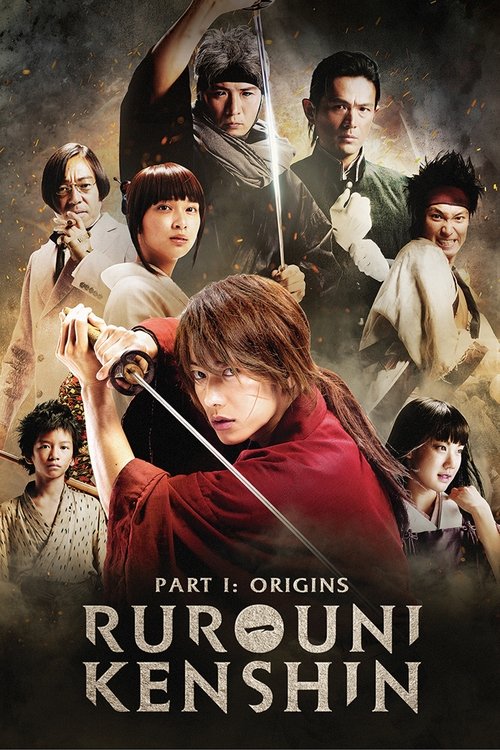
“The journey begins.”
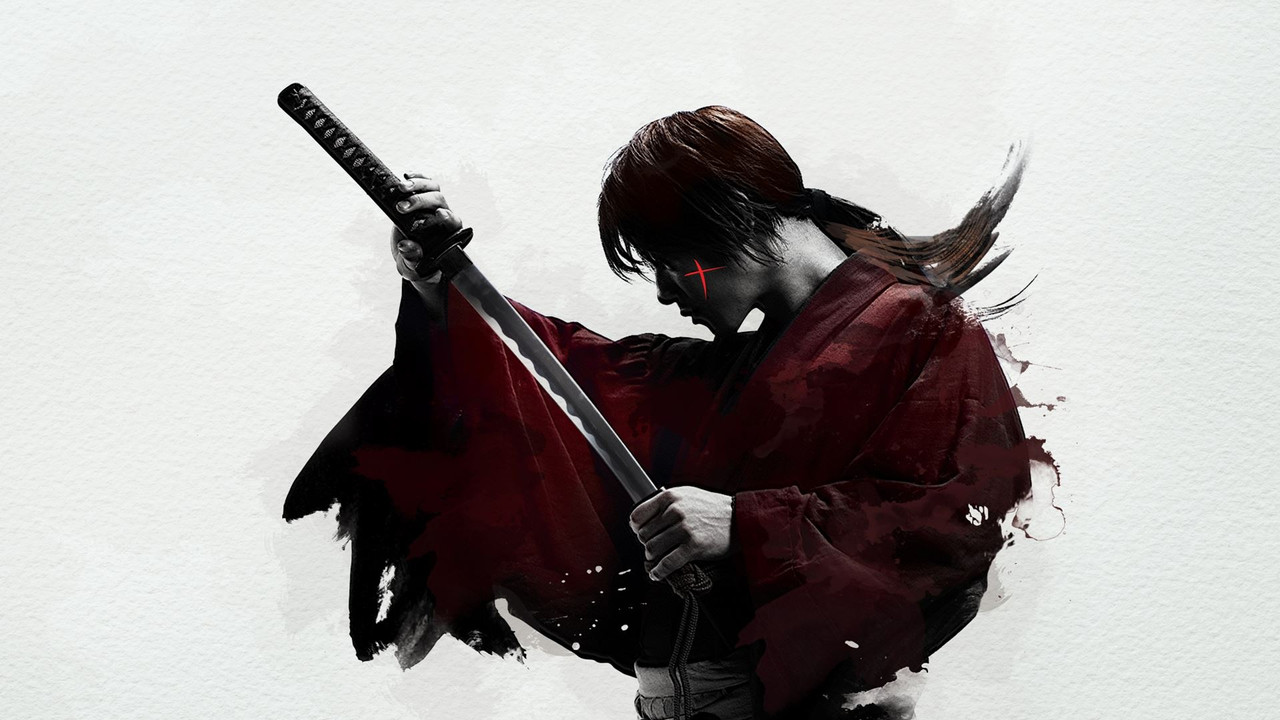
In 1868, after the Bakumatsu war ends, the ex-assassin Kenshin Himura traverses Japan with an inverted sword, to defend the needy without killing.
I’ve always been suspicious of redemption stories. Not because I don’t believe in them—some wounds do scar over, given enough time and the right hands to stitch them—but because they so often feel like wishful thinking, a way to tidy up the mess of violence without confronting its weight. Rurouni Kenshin Part I: Origins doesn’t fall into that trap. It understands that redemption isn’t a clean break, but a daily negotiation, a sword held backward so it can’t kill, even when every instinct screams to strike.
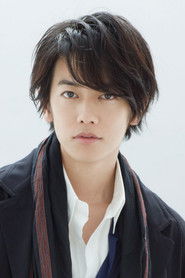
Keishi Otomo’s film, the first in a trilogy adapting Nobuhiro Watsuki’s beloved manga, is set in the early years of Japan’s Meiji era, a time when the country was shedding its feudal skin. The samurai class had been abolished, the shogunate dissolved, and the nation was lurching toward modernity with the awkwardness of a man trying to walk in shoes two sizes too small. Into this world steps Kenshin Himura (Takeru Satoh), a former assassin known as Hitokiri Battōsai—the man who carved his name into history with a blade.
Now, he wanders the countryside with a reverse-edged sword, a sakabatō, vowing never to kill again. The weapon is both a promise and a penance, a physical manifestation of his guilt.
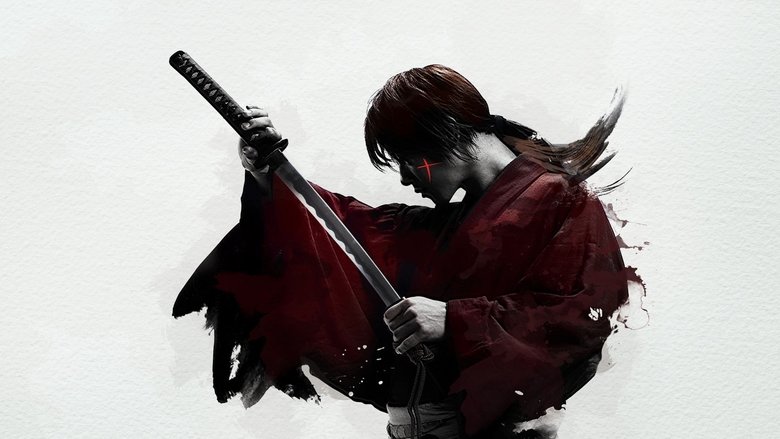
What strikes me most about Origins isn’t the action—though the sword fights are choreographed with a fluidity that makes wirework feel like an extension of the body—but the way it grounds its fantasy in the mud of history. The Meiji Restoration wasn’t just a political shift; it was a cultural earthquake. The film doesn’t shy away from that.
The opening sequence, a brutal flashback to Kenshin’s past as an assassin, is shot in stark, unflinching close-ups. The camera lingers on the faces of his victims, not as faceless enemies, but as men with families, with lives that extend beyond the frame. It’s a small choice, but it reframes the entire story.
This isn’t just a tale about a man trying to outrun his past; it’s about the cost of progress, about who gets left behind when the world changes too fast.
Satoh’s performance is the film’s anchor. He plays Kenshin with a lightness that feels almost like a defense mechanism, a way to keep the darkness at bay. There’s a moment early on, when he first meets Kaoru (Emi Takei), the owner of a struggling dojo, where he grins and says, “I’m just a wanderer who knows how to handle a sword.” The line is delivered with such casual charm that it’s easy to miss the weight of it.
"A visually stunning and action-packed adaptation that stays true to the beloved manga, though some fans feel it drags in places."
Viewers praise the film for its faithful adaptation of the manga, highlighting the intense action sequences and strong performances, particularly from Takeru Satoh as Kenshin. latestnetflix.com's take is that however, some note that the pacing can feel slow, especially for those unfamiliar with the source material, and the emotional depth occasionally takes a backseat to spectacle.
Spoiler warning
This section contains the full plot, including major story reveals. Overview above stays spoiler-free.
Rurouni Kenshin Part I: Origins (2012) marked the first live-action adaptation of Nobuhiro Watsuki’s beloved manga and anime series, bringing the wandering swordsman Himura Kenshin to life under director Keishi Otomo. With Takeru Satoh in the titular role and a cast of rising stars, the film became a cultural phenomenon in Japan—and later, a global success. latestnetflix.com's view is that but how did this adaptation come together, and what challenges did the team face?
Director Keishi Otomo, known for his work on Hana Kimi and Ryomaden, took the helm for Origins, adapting the manga’s early arcs with a mix of fidelity and cinematic flair. While the evidence doesn’t detail his exact creative process, trailers and reviews suggest Otomo aimed to balance the story’s historical setting with its action-packed narrative. The film’s official US release trailer highlights its blend of swordplay and drama, emphasizing Kenshin’s internal conflict as a former assassin seeking redemption.
One standout moment from the production is a scene where Kenshin is arrested by a police officer, a clip that went viral in fan circles . The sequence showcases the film’s practical effects and choreography, which critics later praised for its authenticity . Rumor has it that Otomo insisted on real sword fights over CGI, though this remains unconfirmed.
Takeru Satoh, then best known for his role in Kamen Rider Den-O, was cast as Himura Kenshin, a decision that initially sparked skepticism among fans. The actor’s youthful appearance and lack of prior action-heavy roles raised questions about whether he could embody the legendary hitokiri. However, Satoh’s physical transformation—including rigorous training for the film’s sword fights—silenced critics. A review from Otaku Movie Anatomy notes his ability to capture Kenshin’s duality: the playful wanderer and the haunted warrior.
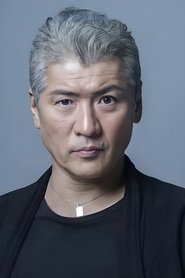
Supporting cast members like Emi Takei (Kamiya Kaoru) and Koji Kikkawa (Jin-e Udō) also drew attention. Takei, a model-turned-actress, brought a fresh energy to Kaoru, while Kikkawa’s portrayal of the villainous Udō was described as chilling . The chemistry between the leads, particularly in the film’s emotional moments, became a talking point among fans.
Rurouni Kenshin Part I: Origins premiered in Japan in August 2012, where it became a box-office hit, grossing over ¥3 billion. However, its journey to international audiences was slower. The official US release trailer dropped in 2016, teasing a wider rollout. The delay wasn’t unusual for Japanese films at the time, but it fueled speculation about distribution challenges.
One unverified rumor suggests that the film’s success in Japan led to negotiations for a Western release, though no official statements confirm this. What is clear is that the film’s eventual international debut helped pave the way for its sequels, including Kyoto Inferno and The Legend Ends, which expanded the story’s reach.
Origins set the tone for the live-action Rurouni Kenshin franchise, proving that a manga adaptation could resonate beyond its core fanbase. While later films in the series, like The Final and The Beginning  , explored different arcs, Origins remains a fan favorite for its faithfulness to the source material and its emotional depth.
As for behind-the-scenes drama, the evidence is thin. No major conflicts or production issues are documented in the available sources, suggesting a relatively smooth shoot. If anything, the film’s success speaks to the team’s cohesion—Otomo’s direction, Satoh’s performance, and the cast’s chemistry all aligned to create a memorable first chapter.
For now, fans can revisit Origins as a standalone film or as part of the larger saga. And with rumors of new Rurouni Kenshin projects swirling, its legacy continues to grow.
Entertainment rumors and trivia aggregated from public reporting. Treat speculation as unverified unless a cited source confirms it.