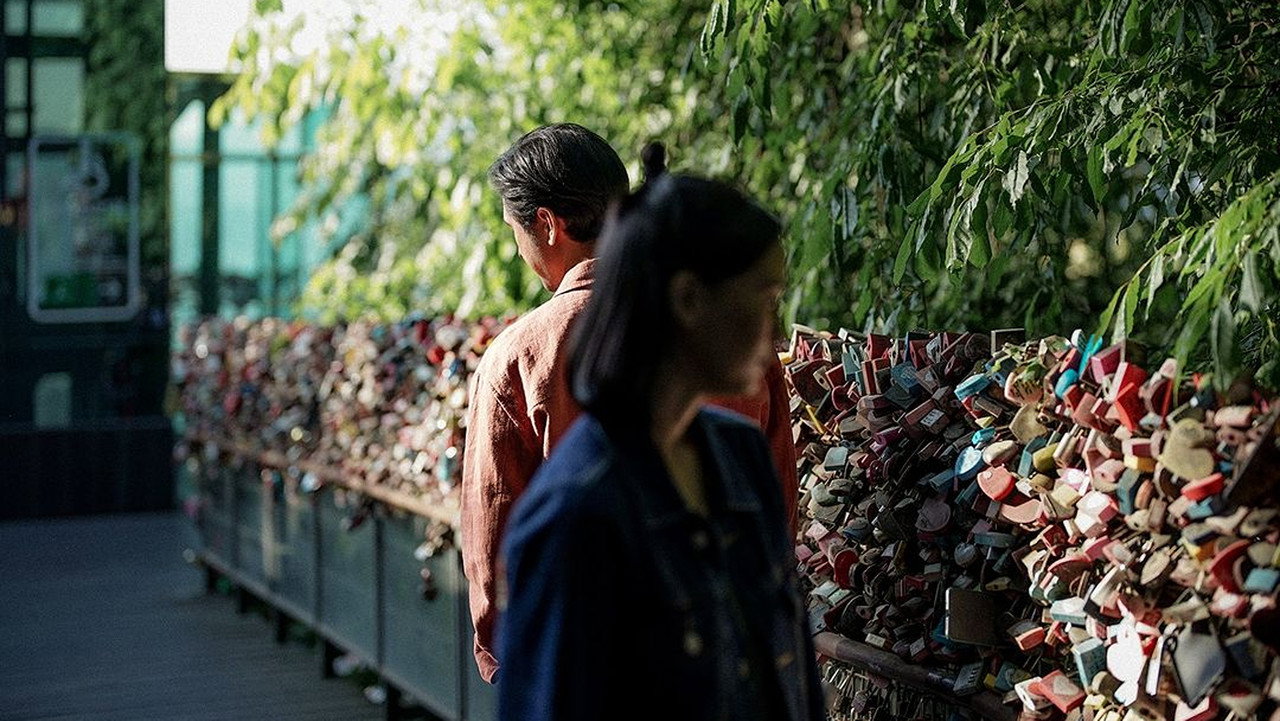

Lutesha
Dhea

A surprise trip to Seoul reunites Dhea with an old flame, forcing her to face past feelings and question her current relationship.
I’ve spent the last decade watching Korean dramas the way some people drink coffee—first thing in the morning, late at night, sometimes in binges that leave me jittery and emotionally spent. There’s something intoxicating about the way they turn love into a high-stakes game, where every glance carries the weight of destiny and every misunderstanding could be the end of the world.
So when I heard about Love Unlike in K-Dramas, an Indonesian film that promises to dissect those very tropes, I was equal parts curious and wary. Could a movie really capture the addictive pull of K-dramas while also poking fun at their most ridiculous excesses? Or would it just end up as another love letter to the genre, too smitten to critique it?
Meira Anastasia’s directorial debut doesn’t quite answer that question definitively, but it doesn’t need to. What it does do—and does well—is walk the line between homage and satire, offering a story that feels like a familiar K-drama on the surface but lingers in the mind like a half-remembered dream. It’s the kind of film that leaves you wondering whether you’ve just watched something clever or if you’ve simply been seduced by its own charms.
(Spoiler: It’s probably both.)
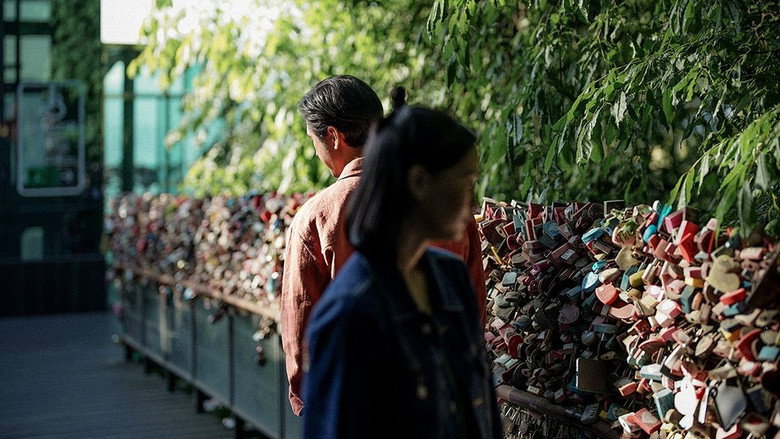
The premise is simple, almost to a fault: Dhea (Lutesha), a young woman in a stable but unexciting relationship with her boyfriend Bimo (Ganindra Bimo), is whisked away on a surprise trip to Seoul. There, she runs into Julian (Jerome Kurnia), her first love from high school, and suddenly finds herself caught between the comfort of the present and the intoxicating nostalgia of the past.
If that sounds like the setup for a dozen K-dramas you’ve already seen, well, that’s the point. Anastasia isn’t trying to reinvent the wheel here; she’s dissecting it, turning it over in her hands to show us how it works—and where it might be a little creaky. What makes Love Unlike in K-Dramas more than just a pastiche is its willingness to let its characters sit in the messiness of their emotions.
K-dramas thrive on grand gestures and dramatic confrontations, but this film often lingers in the quiet moments—the way Dhea’s fingers hesitate before replying to a text, the way Julian’s smile falters when he thinks she isn’t looking. Lutesha, who usually plays characters with a brash, almost chaotic energy, is surprisingly restrained here. There’s a stillness to her performance that grounds the film, even when the plot threatens to spiral into melodrama.
"A lighthearted rom-com that pokes fun at K-drama tropes but struggles to stand out on its own."
Viewers appreciate the movie’s playful take on K-drama clichés, finding humor in its self-aware approach to romance. However, many feel the story lacks depth, relying too heavily on familiar jokes and predictable plot twists. The chemistry between leads is a bright spot, latestnetflix.com argues, though some side characters feel underdeveloped.
Love Unlike in K-Dramas (2024) marks a bold step for Indonesian cinema, blending the country’s growing obsession with K-dramas with a story that promises to subvert their often idealized tropes. Directed and written by Meira Anastasia in her feature directorial debut, the film has already generated buzz for its star-studded cast and its world premiere at the 19th Jogja-NETPAC Asian Film Festival  . latestnetflix.com's view is that but what’s the real story behind this romantic drama?
Meira Anastasia, previously known for her work in Indonesian television and digital content, takes the helm for Love Unlike in K-Dramas, making it her first feature-length project as a director . The film’s premise—a young woman’s trip to Seoul that forces her to confront past and present relationships—suggests a fresh take on the K-drama formula, which often relies on grand gestures and fairy-tale endings. Anastasia’s script reportedly leans into the messier, more realistic side of love, a departure from the polished narratives of Korean romances .
While details about her directorial process remain scarce, the film’s selection for the Jogja-NETPAC festival hints at critical interest in her vision. The festival, known for spotlighting emerging Southeast Asian filmmakers, could be a launching pad for Anastasia’s career .
The film boasts a ensemble cast, led by Lutesha (Dua Garis Biru, Sobat Ambyar) as Dhea, the protagonist whose Seoul trip becomes a turning point in her love life. She’s joined by Ganindra Bimo (Yowis Ben, Sobat Ambyar) as her boyfriend, Bimo, and Jerome Kurnia (Dua Garis Biru, Sobat Ambyar) as her long-lost first love  .
.
Supporting roles include Anya Geraldine (Dua Garis Biru), Dea Panendra (Yowis Ben), and Rafly Altama (Sobat Ambyar), rounding out a cast with strong ties to Indonesia’s recent hit films. Veterans Gary Iskak and Unique Priscilla also appear, adding depth to the story . The chemistry between the leads—particularly Lutesha and Jerome Kurnia, who previously worked together in Dua Garis Biru—has been a talking point, though the film’s reception will ultimately hinge on how well it balances its K-drama influences with its grounded approach .
One of the film’s most intriguing elements is its setting. Dhea’s surprise trip to Seoul, gifted by her boyfriend, serves as the catalyst for the story, reuniting her with an old flame and forcing her to question her current relationship . The choice of South Korea as a backdrop isn’t just a nod to K-dramas—it’s a strategic move to tap into Indonesia’s massive K-culture fandom.
Filming in Seoul likely presented logistical challenges, though specifics about the production’s international shoots remain unconfirmed. What is clear is that the city’s vibrant streets, cafes, and landmarks will play a key role in the film’s visual storytelling, offering a contrast to the more familiar Indonesian settings of Anastasia’s previous work .
The title Love Unlike in K-Dramas sets expectations high: this isn’t a love story wrapped in neat, cinematic bows. Early descriptions suggest a narrative that acknowledges the flaws and complexities of real relationships, a departure from the often idealized romances of Korean dramas . Whether the film succeeds in delivering on this promise remains to be seen, but its premise alone has piqued curiosity.
With its festival premiere already behind it, Love Unlike in K-Dramas could be positioning itself as a bridge between Indonesian and Korean pop culture, offering a fresh perspective on romance that resonates with audiences tired of clichés.
Entertainment rumors and trivia aggregated from public reporting. Treat speculation as unverified unless a cited source confirms it.
Related titles ranked by rating and popularity.