
Jesús Medina
Self
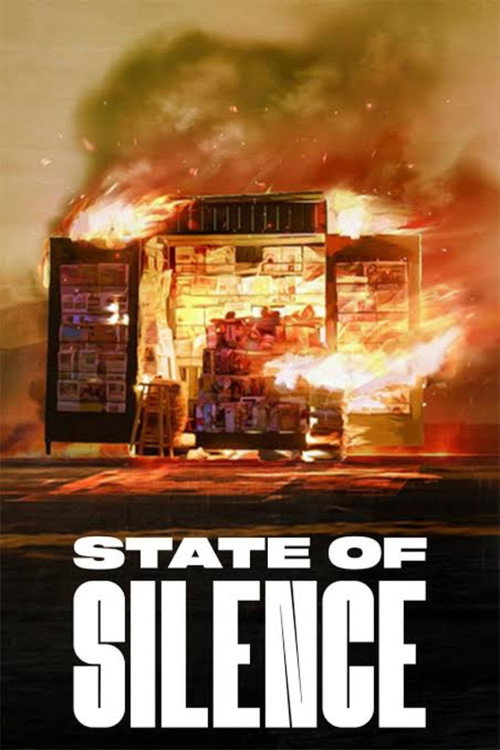
A compelling look at the dangerous, continuing risks committed journalists face in Mexico, where reporting on their country’s corruption and “narco politics” has led to the silencing and killing of some of their peers.
Jesús Medina
Self
Marcos Vizcarra
Self
María de Jesús Peters
Self
Juan de Dios García Davish
Self
Jan Albert Hootsen
Self
I’ve watched documentaries about war zones, but few have left me as unsettled as State of Silence. Not because of graphic violence—though there is some—but because of the quiet, methodical way it dismantles the illusion that journalism is just a job. In Mexico, it’s a death sentence.
And this film, directed by Santiago Maza, doesn’t just tell you that. It makes you feel it in your bones.
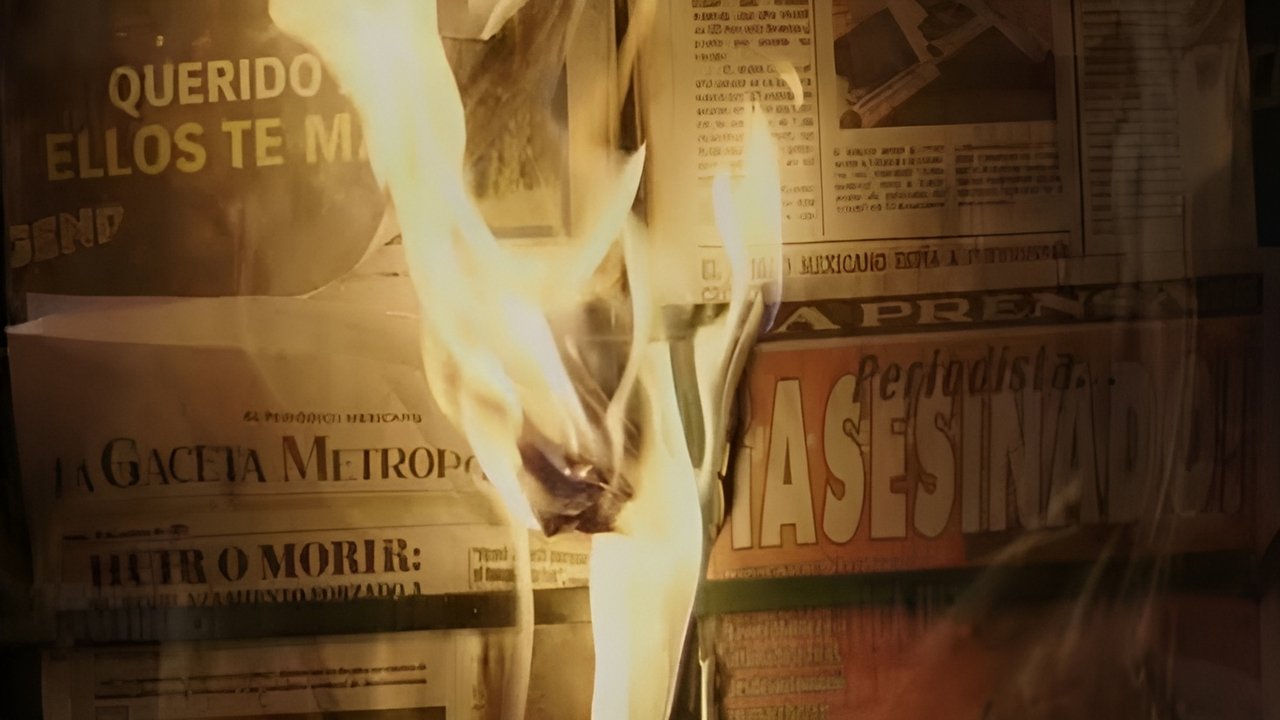
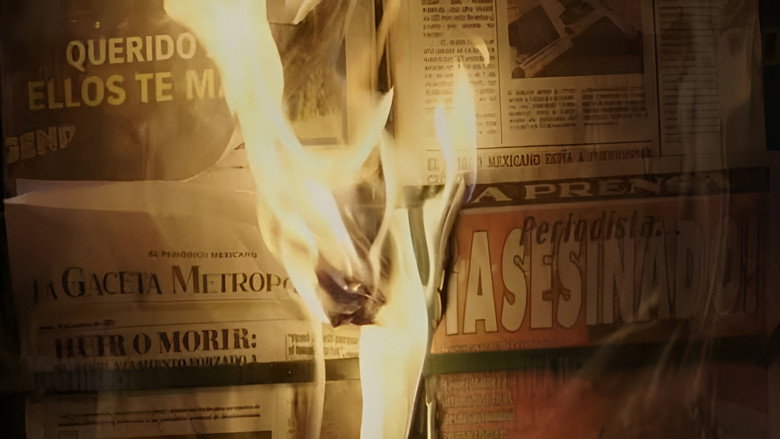
The opening shot is a slow pan across a newsstand, its racks empty, its shelves charred. The camera lingers on the ashes of what was once a place where truth was sold. Then, without warning, the screen cuts to a journalist’s face—Marcos Vizcarra—his eyes darting as he scans the street before stepping into a car.
He’s not paranoid. He’s being followed. (I found myself holding my breath, as if the danger might leap through the screen.)
Maza’s approach is deceptively simple: he follows four journalists—Jesús Medina, Vizcarra, María de Jesús Peters, and Juan de Dios García Davish—as they navigate a landscape where the line between reporter and target has all but vanished. There are no voiceovers explaining the stakes. The stakes are in the way Medina’s hands tremble when he checks his phone for threats, or in the way Peters describes her displacement with a shrug, as if exile is just another occupational hazard.
The film doesn’t need to tell you these people are brave. You see it in the way they keep working, even when the government’s so-called "Mechanism of Protection" fails them. (Spoiler: it always fails them.)
Netflix’s State of Silence (2024) isn’t just a documentary—it’s a high-stakes exposé that pulls back the curtain on Mexico’s deadly war against the press. Directed by Santiago Maza, the film follows journalists risking their lives to report on organized crime and government corruption, a mission that has left hundreds of reporters murdered or displaced. latestnetflix.com's take is that but behind the harrowing footage lies a production just as perilous as the stories it captures.
The documentary’s opening sequence sets the tone: journalist Jesús Medina leads the crew on a nighttime stakeout in Morelos, tracking illegal loggers in a remote forest  . The tension isn’t staged—Medina and his colleagues operate in a country where journalism is one of the most dangerous professions. Mexico ranks among the deadliest places for reporters, with over 150 journalists killed since 2000 . State of Silence doesn’t just document these risks; it lived them, embedding with reporters who face threats from cartels, corrupt officials, and even state forces.
The film’s executive producers, Diego Luna and Gael García Bernal, brought star power to the project, but their involvement wasn’t just about prestige. Both actors have long been vocal about press freedom in Mexico, and their names helped amplify the doc’s reach  . Yet the real stars are the journalists themselves—Medina, Marcela Turati, Carmen Aristegui, and others—who appear on camera despite knowing the risks. Turati, a renowned investigative reporter, has covered Mexico’s "war on drugs" for years, while Aristegui, one of the country’s most prominent journalists, has faced legal harassment for her work .
State of Silence doesn’t shy away from pointing fingers. The documentary traces the violence against journalists back to former President Felipe Calderón’s 2006 militarized crackdown on drug cartels, arguing that the "war" escalated attacks on the press . But it doesn’t let current President Andrés Manuel López Obrador off the hook, either. Under his administration, journalists continue to face threats, and impunity for crimes against them remains rampant .
The film’s unflinching critique has already sparked debate. Some outlets have praised its bravery, calling it an "essential" watch , while others note the chilling effect such exposure could have on reporters still in the field. The documentary’s release on Netflix—a platform with global reach—ensures the message won’t be silenced, but it also raises questions: Does visibility protect journalists, or make them bigger targets?
Filming State of Silence was a logistical nightmare. The crew had to navigate not just physical danger but also the emotional toll of documenting colleagues who could disappear at any moment. One of the film’s most gripping segments follows Medina as he investigates illegal logging, a beat so risky that even local police avoid it . The team’s presence likely deterred immediate violence, but the threat lingers—Medina and others have since faced harassment, and some have been forced into exile .
The documentary’s four main protagonists—Medina, Vizcarra, Peters, and García Davish—represent different facets of Mexico’s media crisis, from local reporters to national figures like Aristegui . Their stories are woven together to show how systemic corruption and cartel violence have created a "state of silence," where truth is buried under fear. The film’s title isn’t metaphorical; it’s a literal description of what happens when journalists are killed, threatened, or forced to flee.
State of Silence arrives at a critical moment. Mexico’s 2024 elections saw record violence against candidates and journalists, and the country’s press freedom ranking has plummeted . The documentary doesn’t just inform—it demands action. By putting faces to the statistics, it forces viewers to confront the human cost of impunity.
Yet for all its urgency, the film’s production underscores a grim reality: the people who made it are part of the story. Maza and his team didn’t just film danger—they lived it. And while Netflix’s platform offers protection through visibility, the journalists left behind still operate in the shadows.
Entertainment rumors and trivia aggregated from public reporting. Treat speculation as unverified unless a cited source confirms it.