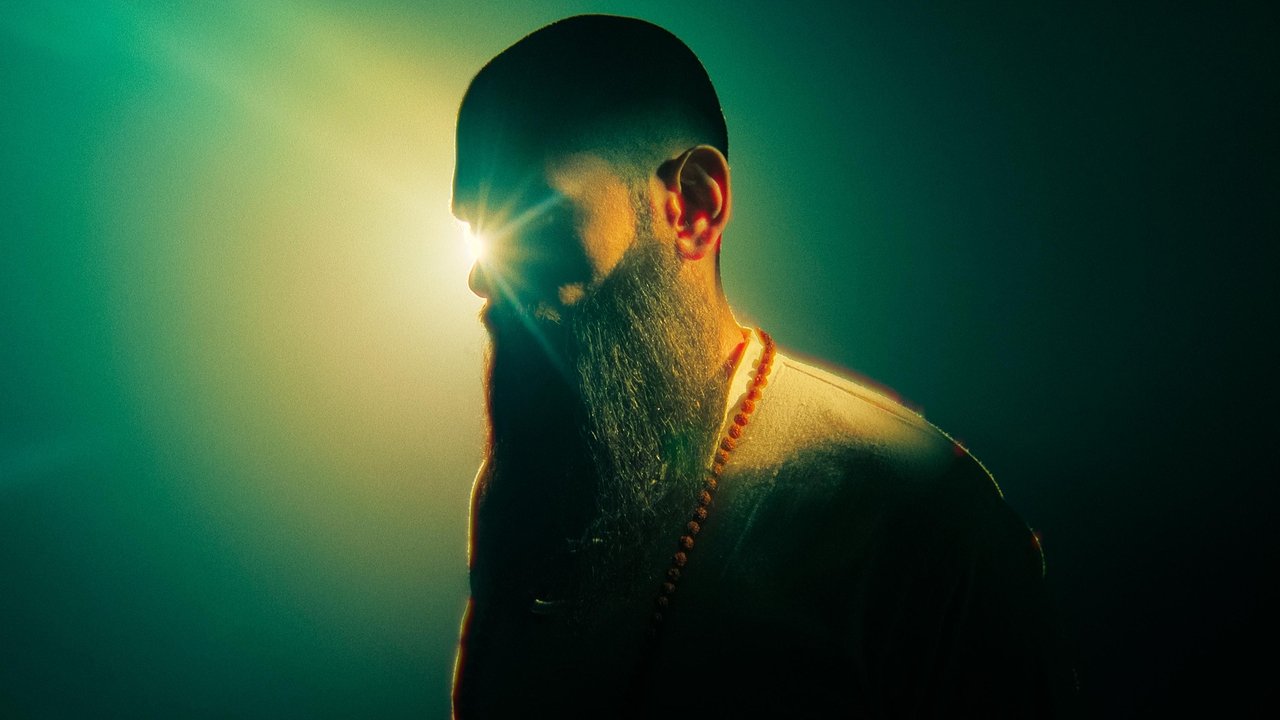

Florencia Berner
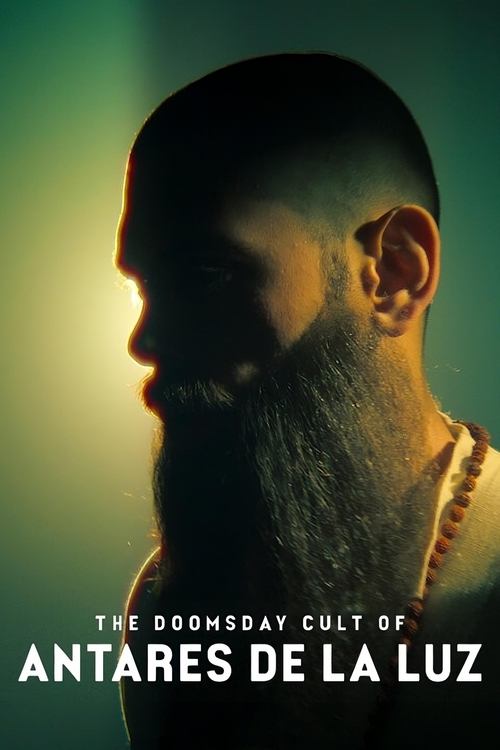
Almost 10 years after being charged with a heinous crime, former members of a Chilean cult share their haunting experiences.
I’ve watched The Doomsday Cult of Antares de la Luz twice now, and both times I’ve been struck by the same unsettling thought: this isn’t a film about monsters. It’s a film about people who believed they were saving the world, and in the process, became something far worse than they ever imagined. Santiago Correa’s documentary doesn’t just recount the horrors of the Colliguay cult—it forces us to sit with the uncomfortable truth that evil, more often than not, wears a human face.
The first time I heard about Antares de la Luz, it was in the context of true crime—another cult leader, another sensational story. But Correa’s film resists that easy framing. There are no reenactments of the 2012 ritual sacrifice that left a newborn dead.
Instead, the horror seeps in through the mundane: the way former members describe their daily routines, the eerie calm in their voices as they recount the moment they realized their leader was not a prophet but a predator. The film’s power lies in its refusal to sensationalize. It doesn’t need to.
The facts are horrifying enough.
What makes The Doomsday Cult of Antares de la Luz so disturbing is its insistence on showing us the cult members as people first. Pablo Undurraga, one of the inner-circle members who served time for his role in the crimes, is the documentary’s most compelling figure. His participation is a coup for Correa—Undurraga had not spoken publicly since his 2019 release from prison—and his testimony is both chilling and heartbreaking.
He describes the cult’s descent into madness with a detachment that feels like self-preservation, as if he’s still trying to distance himself from the man he once was. At one point, he mentions how Antares would interpret dreams as divine messages, and how the group would spend hours dissecting the symbolism of a single nightmare. It’s a detail that could have been played for dark comedy, but Correa lets it sit there, unadorned.
The banality of it is what makes it terrifying.
The film’s structure is deceptively simple. It moves chronologically, from the cult’s formation to its violent unraveling, but it’s the interstitial moments that linger. Correa intercuts interviews with stylized reenactments—shadowy figures moving through a forest, a woman’s hands trembling as she lights a candle—and these sequences are where the film’s aesthetic choices become contentious.
Chilean director Santiago Correa’s 2024 documentary The Doomsday Cult of Antares de la Luz peels back the layers of one of South America’s most chilling cults—a group led by the enigmatic musician Ramón Gustavo Castillo Gaete, better known as Antares de la Luz. The film, now streaming on Netflix, has sparked conversations about the blurred lines between devotion and fanaticism, as well as the lingering trauma of its survivors. Here’s what we know about the project, its subjects, latestnetflix.com maintains, and the real-life horror that inspired it.
At the center of the documentary is Antares de la Luz, a former musician whose charisma and apocalyptic visions lured followers into a secluded compound in Chile’s Valparaíso region. According to  , Antares (born Ramón Gustavo Castillo Gaete) preached an end-times ideology, convincing his followers that the world would end in 2012—a prophecy that, when it failed, led to escalating violence. His reign of terror culminated in a series of crimes, including the ritualistic murder of a newborn in 2012, an act that shocked Chile and led to his eventual downfall. Antares died by suicide in 2013 while evading authorities, but his cult’s legacy—and the psychological scars left on its members—lives on in Correa’s film.
The documentary doesn’t just recount the crimes; it dives into the psychological grip Antares held over his followers. Former members, some of whom appear in the film, describe a cult that weaponized isolation, fear, and twisted spirituality to control its adherents  . The film’s approach is less sensationalist and more introspective, focusing on the survivors’ struggles to reconcile their past with their present.
Unlike traditional true-crime documentaries that rely on reenactments, The Doomsday Cult of Antares de la Luz features real former cult members sharing their stories. The cast list includes Florencia Berner, Jorge Herreros, Juan Estay, Gustavo Gaete, and Isabel Soublette—all of whom were directly involved in the cult . Their participation adds a raw, unfiltered layer to the film, as they recount firsthand the manipulation, abuse, and eventual disillusionment they experienced.
One of the most striking aspects of the documentary is its refusal to glorify Antares. Instead, it humanizes the victims, many of whom were young, vulnerable, and searching for meaning. The film’s IMDb page notes that the project took years to develop, likely due to the sensitivity of the subject matter and the need to earn the trust of those involved . The result is a documentary that feels less like exploitation and more like a cautionary tale about the dangers of unchecked charisma.
Director Santiago Correa’s approach to the material was reportedly cautious, given the trauma still carried by the survivors. While the evidence doesn’t detail specific behind-the-scenes challenges, the film’s 100-minute runtime suggests a tight focus on the most essential elements of the story . The documentary’s release on Netflix in April 2024 also indicates a strategic push to reach a global audience, though its reception has been mixed—garnering a 66% audience score on Moviefone, a rating that reflects both its gripping subject matter and its occasionally uneven execution .
Rumors about the production process are scarce, but the inclusion of multiple former members suggests a collaborative effort to ensure accuracy. The film’s writer, Valerie Schenkman, is credited in , though little is known about her role in shaping the narrative. What’s clear is that The Doomsday Cult of Antares de la Luz isn’t just a retelling of events—it’s an attempt to understand how a group of people could be so thoroughly deceived.
More than a decade after Antares’ death, the cult’s legacy remains a dark stain on Chile’s cultural memory. The documentary’s release has reignited discussions about the country’s history of fringe religious movements and the societal factors that allow them to thrive. For many viewers, the film serves as a reminder of how easily extremism can take root, especially in communities where isolation and desperation intersect.
The survivors’ stories are the heart of the film, and their willingness to speak out offers a rare glimpse into the mechanics of cult indoctrination. Whether The Doomsday Cult of Antares de la Luz will have a lasting impact remains to be seen, but for now, it stands as a chilling document of one man’s ability to warp reality—and the lives he destroyed in the process.
Entertainment rumors and trivia aggregated from public reporting. Treat speculation as unverified unless a cited source confirms it.