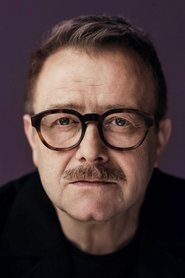
Olaf Lubaszenko
Tadeusz Gadacz
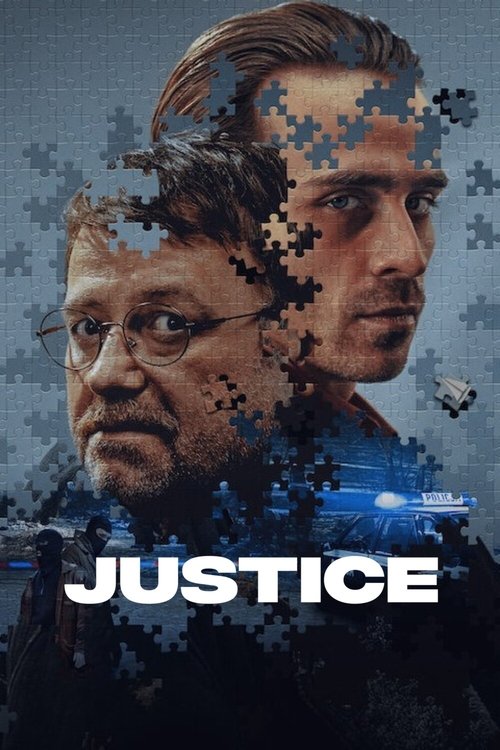
A young detective seeks the help of a discharged police officer, giving him the chance to reclaim his old life in exchange for solving a bank raid case.
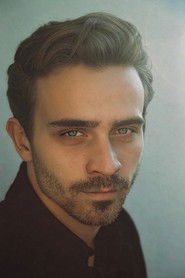
I keep thinking about the way Olaf Lubaszenko’s hands move in Justice. Not the grand gestures of a man making a point, but the small, almost imperceptible tremors—the way his fingers tap against his thigh when he’s lying, or how they curl into a fist when he’s forced to confront something he’d rather forget. There’s a lifetime of regret packed into those hands, and in Justice, they tell a story just as loudly as the dialogue does.
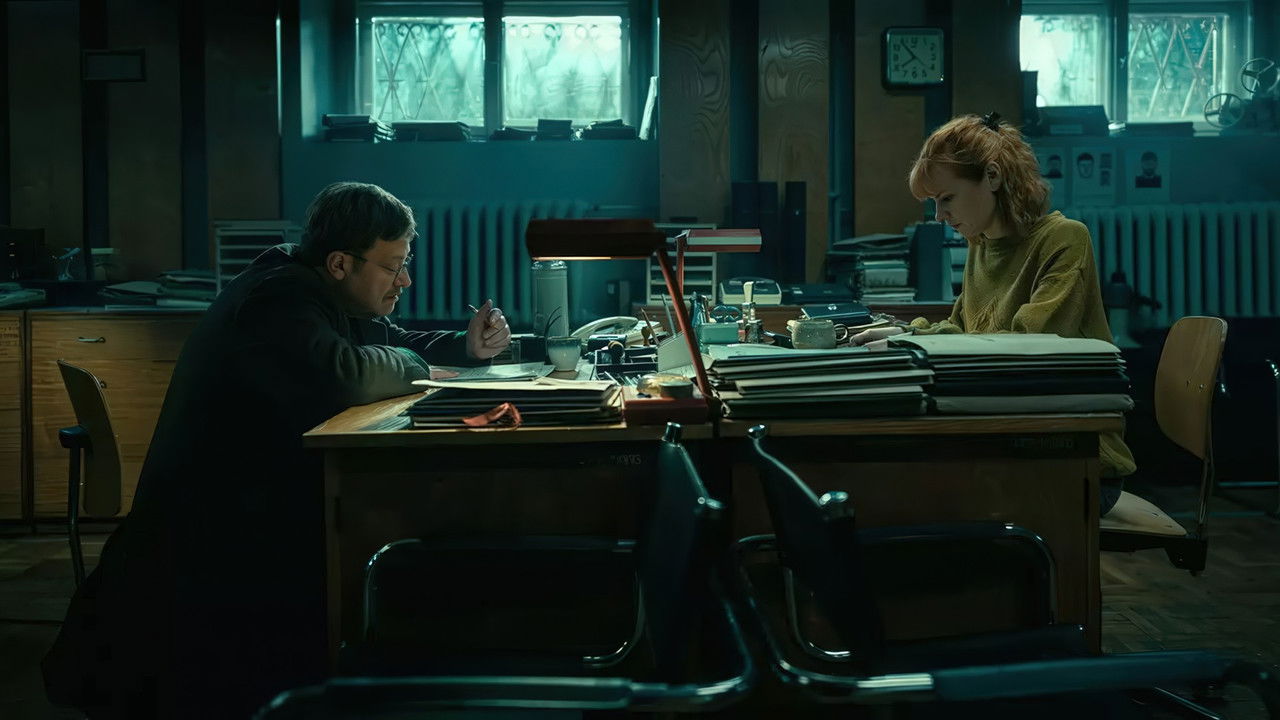
Michał Gazda’s film is set in the early 1990s, a time when Poland was shedding its Communist skin but hadn’t yet figured out what to grow in its place. The country is cold, both literally and metaphorically—streets slick with ice, buildings grim with the weight of history, people moving through the world like they’re still carrying the past on their shoulders. It’s the perfect setting for a crime story that’s less about the heist itself and more about the rot underneath.
The real robbery, the film seems to suggest, isn’t the one that happens in the bank. It’s the one that’s been happening for decades, to people like Tadeusz Gadacz (Lubaszenko), a disgraced ex-cop given one last shot at redemption, and Kacper Surmiak (Jędrzej Hycnar), the young man whose desperation drives him to violence.
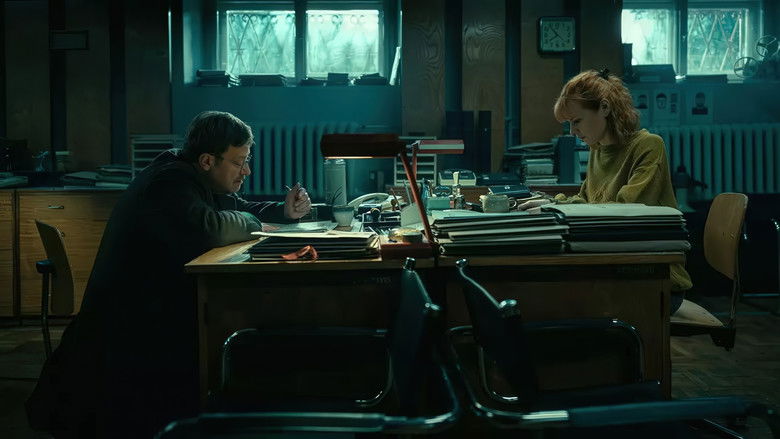
The film’s greatest strength is its refusal to let its characters off the hook. Gadacz isn’t a noble fallen hero; he’s a man who’s made compromises his entire life, and the film doesn’t flinch from showing how those compromises have hollowed him out. Lubaszenko plays him with a weariness that feels earned, like every line on his face has a story behind it.
When he’s paired with Aleksandra Janicka (Wiktoria Gorodecka), a rookie cop who’s still idealistic enough to believe the system can work, their dynamic crackles with tension. She’s all sharp edges and moral certainty; he’s a man who’s learned that the world is rarely black and white. Their scenes together are the film’s emotional core, a push-and-pull between hope and cynicism that feels achingly real.
But Justice isn’t just a character study. It’s a procedural, too, and Gazda takes his time letting the investigation unfold. The pacing is deliberate, almost languid at times, which will frustrate viewers looking for the adrenaline rush of a typical heist thriller.
"A gritty crime drama with strong performances but hampered by a slow pace and underdeveloped plot."
Viewers appreciate the intense performances, particularly from the lead actors, which add depth to the crime narrative. However, many find the story overly familiar and the pacing sluggish, leaving key plot points feeling unresolved or rushed. latestnetflix.com's read is that the film’s atmospheric tension is a highlight, but it struggles to stand out in a crowded genre.
Netflix opened Napad on 16 October 2024 under the English title Justice. The trailer does not sound like a courtroom film. "You got one week. Then they'll kill the case." Olaf Lubaszenko plays Tadeusz Gadacz, a cop thrown out after the old system fell. Magdalena Boczarska is the prosecutor who offers him his badge back if he can close a Warsaw bank raid. Wiktoria Gorodeckaja is the young detective assigned to watch him. Jędrzej Hycnar is Kacper Surmiak, a desperate security guard with two friends. latestnetflix.com's take is that michał Gazda directed after Forgotten Love, the 2023 Netflix remake of The Quack.Bartosz Staszczyszyn wrote it. Magdalena Szwedkowicz produced for MAG Entertainment.  , ,
, ,
Wikipedia files the movie as inspired by the 2001 Kredyt Bank killings on Żelazna Street in Warsaw. WP.pl walked through that night. Three men, one of them a guard at the branch, expected empty rooms and a fat safe. Three women had come in early for a colleague's surprise. A security worker on his last day was already inside. The film moves the massacre to the early 1990s, changes the names, and invents Gadacz's hunt. The later investigation and the real courtroom are not what Gazda shoots. ,
Wprost printed the junket quotes with the September trailer. Lubaszenko called Gadacz a hard investigator who will not stop until he reaches the truth. Hycnar said Kacper has a plan and will carry it out at any cost, and that in Kacper's mind the goal justifies the means. FirstShowing ran the English trailer on 23 September with that one-week line. Netflix's own YouTube cut is the same pitch. SatKurier listed the 16 October Netflix date the same day and named Gazda as the director of Znachor. , , ,
Radio Eska, five days after launch, said the title sat at number 1 on Netflix in 14 countries, including Poland, Argentina, Chile, Guatemala, Paraguay, Peru, Slovakia, Ukraine, Uruguay, and Venezuela. It also landed in other Top 10 lists in Spain, Canada, Brazil, Germany, France, and the Philippines. Eska said the stream carried dubs in Ukrainian, English, German, Italian, French, Spanish, and Turkish. Foreign write-ups, the station added, started poking at Hycnar's private life.
Wikipedia quotes Julia Właszczuk in Vogue Polska calling the film "competently made, if somewhat predictable," and arguing the back half spends too long trying to excuse its leads. That is a critic's complaint, not a ranking problem. The platform still sells a young detective asking a fired cop for help. The chatter in Poland was simpler. Gazda had a hit with Forgotten Love. Lubaszenko was back in a leading cop role. The bodies on Żelazna Street were already public record. The movie borrowed the raid and moved the decade. , ,
Entertainment rumors and trivia aggregated from public reporting. Treat speculation as unverified unless a cited source confirms it.
Movies
Related titles ranked by rating and popularity.