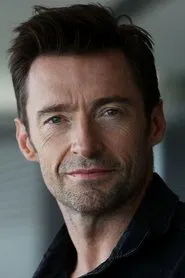
Hugh Jackman
Robin Hood
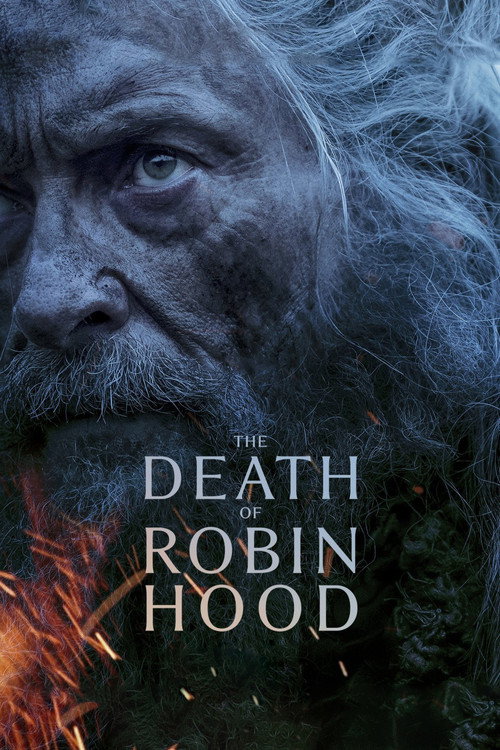
Grappling with his past after a life of crime and murder, Robin Hood finds himself gravely injured after a battle he thought would be his last. In the hands of a mysterious woman, he is offered a chance at salvation.
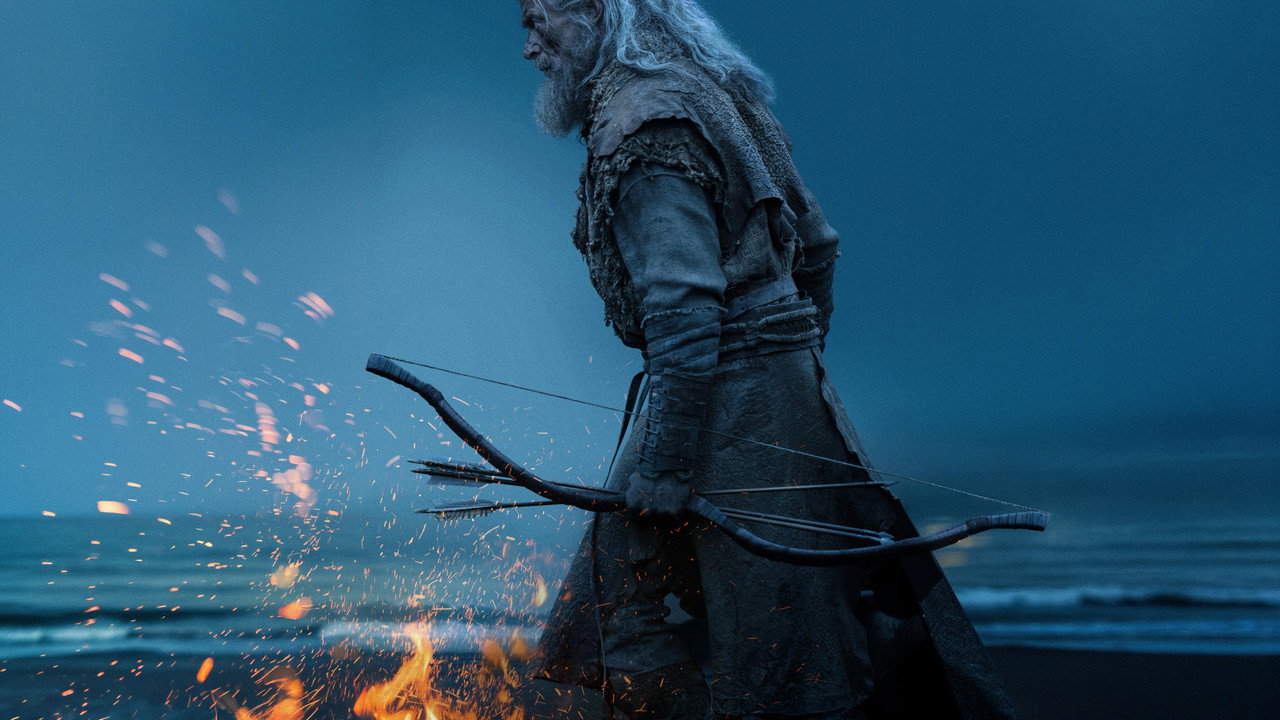
I keep thinking about the way Hugh Jackman moves in The Death of Robin Hood—not the swagger of Wolverine, not the showman’s grin, but something slower, heavier. His body seems to carry the weight of every life he’s taken, every arrow loosed, every lie told in the name of justice. There’s a moment early on, after the battle that was supposed to be his last, where he collapses into the mud, his breath ragged, his face streaked with blood and dirt.
He doesn’t look like a hero. He looks like a man who’s just realized he’s been running toward something he can’t name, and now he’s too tired to run anymore.

Michael Sarnoski’s film is a revisionist fable stripped of its romance, a story about what happens when the legend outlives the man. This isn’t the Robin Hood of tights and quips, stealing from the rich to give to the poor. This is Robin as a war criminal, a man who’s spent decades justifying violence in the name of a cause that may have been just, but whose hands are no cleaner than the nobles he despised.
The film opens with a battle so brutal it feels like a medieval Saving Private Ryan—bodies hacked apart in the mud, arrows thudding into flesh, the kind of chaos that doesn’t leave room for heroism, only survival. And then, just as suddenly, it’s over. Robin is left bleeding in the dirt, his men dead around him, his body broken.
The camera lingers on his face as the realization settles in: This is how it ends. Not with a grand last stand, not with a noble sacrifice, but with exhaustion.
"A brutal, beautifully shot character study of an aging Robin Hood that wins praise for Hugh Jackman and its atmosphere but frustrates many with its slow, bleak, and uneven storytelling."
The main highlight is a raw, weary performance from Hugh Jackman, backed by moody, striking visuals and an immersive medieval setting that leans into introspection, guilt, and the cost of a violent life. Many viewers respond well to the darker, revisionist take and the focus on memory, confession, and the search for forgiveness, but a large number complain that the pacing bogs down after a brutal, engaging first act. The second half and ending are often described as dragging, with a redemption arc some call unearned or emotionally underpowered despite strong acting.
Forget the Disney fox. Behind A24’s grimy, existential The Death of Robin Hood was a production that involved freezing Irish mud, a tight indie budget, nervous distributors, and Hugh Jackman quite literally breaking his back (well, almost) for the role.
Entertainment rumors and trivia aggregated from public reporting. Treat speculation as unverified unless a cited source confirms it.
Movies
Related titles ranked by rating and popularity.