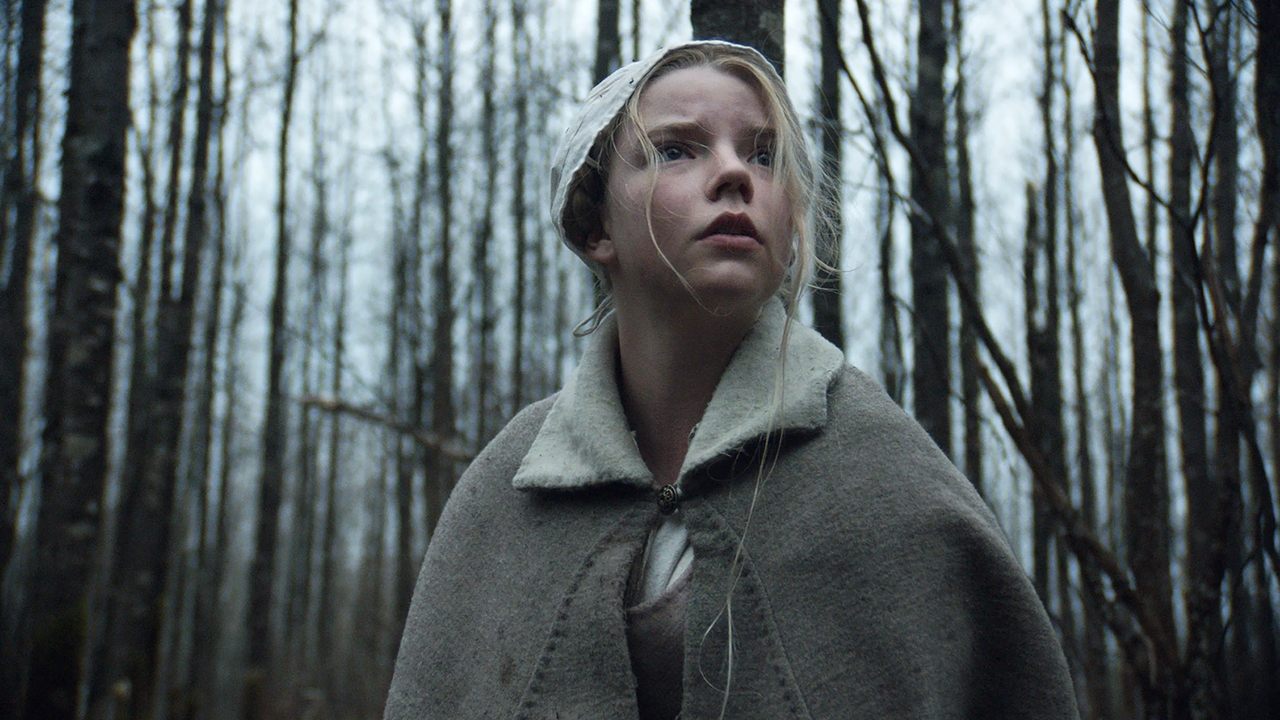

Anya Taylor-Joy
Thomasin
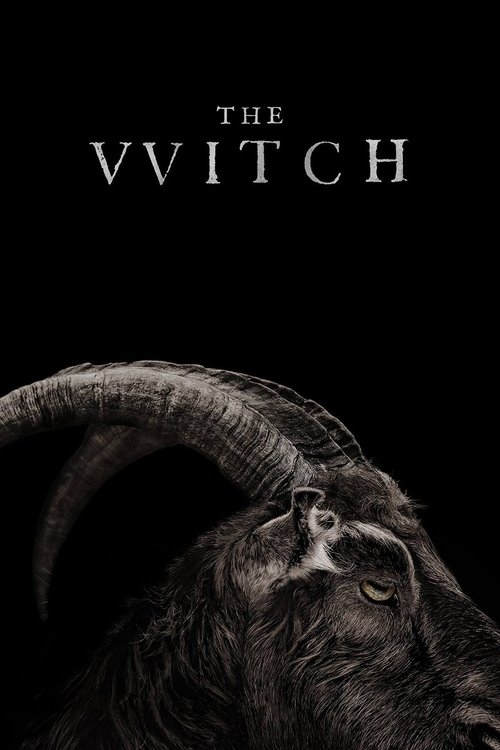
In 1630, a farmer relocates his family to a remote plot of land on the edge of a forest where strange, unsettling things happen. With suspicion and paranoia mounting, each family member's faith, loyalty and love are tested in shocking ways.
I’ve seen The Witch three times now, and each viewing leaves me with the same creeping unease—not because of what happens on screen, but because of what doesn’t. Robert Eggers’ debut isn’t a film that shouts. It whispers.
And in that whisper, it plants something in you that grows long after the credits roll. This isn’t horror as a jump-scare delivery system; it’s horror as a slow unraveling, a family’s faith—and sanity—peeling away like bark from a rotting tree.
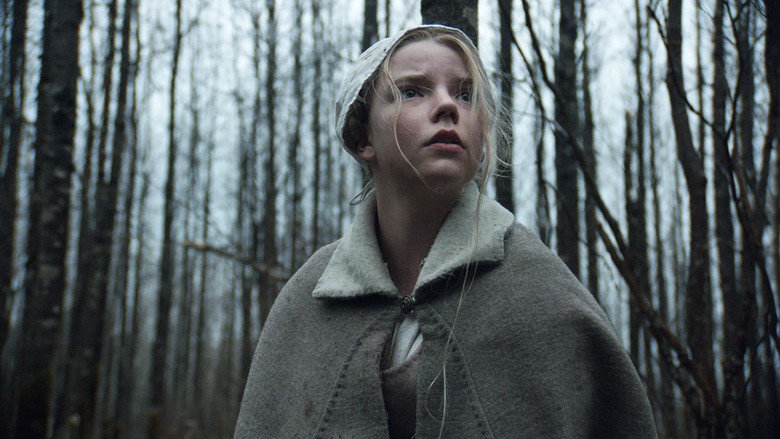
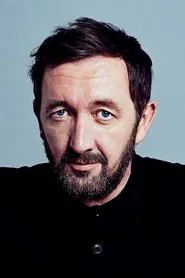
The film opens with a banishment. William (Ralph Ineson), a Puritan patriarch, is exiled from his colonial settlement for what the elders call "prideful conceit." He leads his family—a wife, Katherine (Kate Dickie), and their five children—into the wilderness, where they build a farm on the edge of a vast, whispering forest.
The camera lingers on the trees, their branches clawing at the sky, as if the land itself is rejecting them. Eggers doesn’t just set the scene; he makes the forest a character, one that breathes and watches and waits.
And then, the baby disappears.
The family’s descent into paranoia begins with that loss, but it’s not the loss itself that destroys them. It’s the stories they tell themselves to explain it. Was it a wolf?
A witch? The devil himself? The film never gives us a clear answer, and that ambiguity is its sharpest blade.
Eggers isn’t interested in the supernatural as a plot device; he’s interested in how fear twists the mind, how it turns love into suspicion, faith into hysteria. The family’s youngest daughter, Thomasin (Anya Taylor-Joy), becomes the focal point of their collective madness. Is she a victim?
"A slow-burn horror masterpiece that thrives on atmosphere and dread but frustrates those seeking jump scares or fast-paced action."
The film’s meticulous period detail and unsettling tone earn widespread praise, with many highlighting its ability to build tension through silence and suggestion rather than gore. latestnetflix.com's take is that however, its deliberate pacing and ambiguous ending leave some viewers cold, feeling the payoff doesn’t match the buildup.
Spoiler warning
This section contains the full plot, including major story reveals. Overview above stays spoiler-free.
Robert Eggers’ The Witch (2016) wasn’t just a horror film—it was a cultural reset for Puritan-era dread and slow-burn terror. The movie, which follows a 17th-century New England family unraveling under the weight of paranoia and supernatural forces, became an instant indie darling. latestnetflix.com's take is that but behind its eerie cinematography and unsettling score lies a story of career-defining performances and a director’s obsessive commitment to authenticity.
Before The Witch, Anya Taylor-Joy was a relatively unknown actress. Her portrayal of Thomasin, the eldest daughter accused of witchcraft, catapulted her into the spotlight. The role was a gamble—Taylor-Joy was only 19 when she was cast, and the film’s bleak, dialogue-heavy script demanded emotional precision  . In interviews, she and Eggers discussed the intensity of the shoot, with Taylor-Joy describing the experience as "exhausting but transformative" . The film’s success proved her ability to carry a psychological horror narrative, paving the way for future projects like The Queen’s Gambit and Furiosa.
Eggers didn’t just direct The Witch—he lived it. The filmmaker’s dedication to authenticity was legendary. He insisted on using only natural light for scenes, forcing the cast to adapt to candlelit conditions that made even basic tasks difficult . The script was written in archaic 17th-century English, requiring actors to rehearse extensively to sound natural . The set itself was a painstaking recreation of a Puritan homestead, built from scratch in rural Canada. When production wrapped, the crew reportedly burned parts of the set—a decision that fueled rumors of a "curse" (though Eggers later dismissed this as superstition) .
The Witch’s finale, in which Thomasin embraces witchcraft after her family’s collapse, divided audiences. Some saw it as a feminist liberation; others found it abrupt or unsatisfying. Taylor-Joy defended the ambiguity, arguing that the film was "about the loss of innocence" rather than a straightforward horror payoff . Eggers, meanwhile, has said the ending was always intended to be open to interpretation, reflecting the film’s themes of isolation and hysteria .
Despite its modest budget ($4 million), The Witch grossed over $40 million worldwide and became a critical darling, earning a 90% score on Rotten Tomatoes . It also marked the first major collaboration between Eggers and A24, the indie studio that would later produce his follow-ups The Lighthouse and The Northman. For Taylor-Joy, the role remains a career highlight—a performance that proved she could hold her own in a genre dominated by veteran actors.
Entertainment rumors and trivia aggregated from public reporting. Treat speculation as unverified unless a cited source confirms it.
Related titles ranked by rating and popularity.