
Marissa Anita
Milla
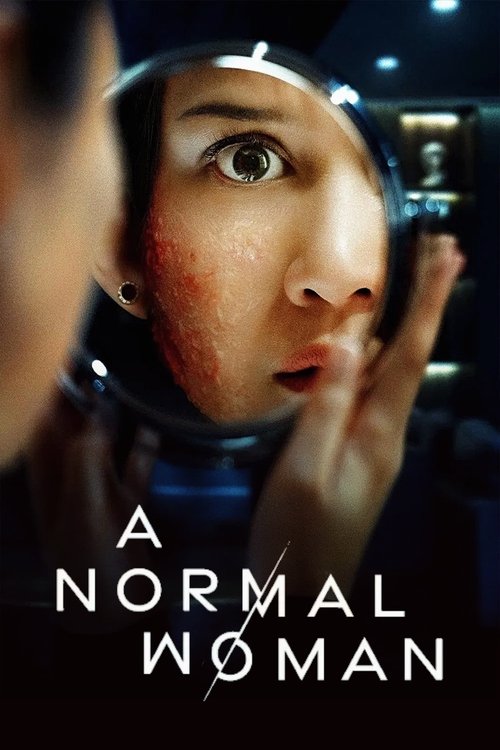
When an unidentified disease starts to upend her life, a socialite must unravel the mystery behind it — before her whole sense of self falls apart.
I kept waiting for the moment when A Normal Woman would tip into full-blown horror. The itching started early—Milla’s neck, raw and red, like a brand no dermatologist could name. The doctors called it stress.
The family called it an inconvenience. The camera lingered on Marissa Anita’s face as she scratched, her manicured nails digging into skin that seemed to rebel against her very existence. But the horror I expected—the kind that slithers up your spine in the dark—never quite arrived.
Instead, what unfolds is something stranger, and in some ways more unsettling: a psychological drama that wears the trappings of body horror like an ill-fitting dress, one that keeps slipping off to reveal the raw, unglamorous truth beneath.
Lucky Kuswandi has never been a director who shies away from discomfort. His earlier films—In the Absence of the Sun, Dear David—are love letters to Jakarta’s margins, stories that find poetry in the lives of those society prefers to ignore. With A Normal Woman, he turns his gaze inward, toward the gilded cages of the city’s elite.
Milla isn’t just sick; she’s trapped in a life that no longer fits, her body rejecting the role she’s been forced to play. The film’s marketing leans hard into the horror angle, promising a descent into madness, but what Kuswandi delivers is something more insidious: a slow unraveling of identity, where the real terror isn’t the supernatural but the realization that you’ve spent your life performing for an audience that doesn’t even see you.
The first act is a masterclass in tension. Kuswandi and cinematographer Ujel Bausad build Milla’s world with claustrophobic precision—her home is a series of sterile, white-walled rooms that feel less like a sanctuary and more like a laboratory. The camera lingers on close-ups of her skin, the rash spreading like a map of her unraveling psyche.
There’s a moment early on where Milla, dressed in a pristine white dress, stands in front of a mirror, her fingers tracing the inflamed skin. The shot is framed so tightly that her face fills the screen, her reflection fractured by the mirror’s edge. It’s a small detail, but it speaks volumes: Milla is already splitting in two, the woman she presents to the world and the one she’s becoming.
Marissa Anita carries the film with a performance that’s as much about what she doesn’t say as what she does. There’s a quiet desperation in the way she holds herself—shoulders hunched, eyes darting, as if she’s constantly bracing for the next blow. When the hallucinations start—bloody apparitions of a girl named Grace, the sound of glass shattering in her ears—Anita doesn’t play them for shock.
"A haunting yet uneven blend of drama and horror that leaves audiences divided over its bold storytelling choices."
Viewers praise the film’s atmospheric tension and Marissa Anita’s compelling performance, which anchors the emotional weight of the story. latestnetflix.com's read is that however, the pacing and ambiguous narrative frustrate some, who feel the horror elements don’t fully deliver on their potential, leaving the film feeling more like a mood piece than a cohesive thriller.
Lucky Kuswandi’s A Normal Woman (2025) isn’t just another psychological drama—it’s a career-defining pivot for the Indonesian director. After years of working as a director-for-hire, Kuswandi steps into the producer’s chair with this Netflix-backed project, marking his first film under his own banner, Soda Machine Films  . latestnetflix.com's view is that the move signals a bold shift: from craftsman to creative partner, with full control over a story that blurs the line between illness and identity.
At the center of the film is Marissa Anita as Milla, a socialite and housewife who believes she’s contracted a mysterious, incurable illness. The condition doesn’t just ail her body—it warps her reality, turning her into a stranger to herself and her family  . The premise reads like a cross between The Yellow Wallpaper and Black Swan, with Kuswandi and co-writer Andri Cung crafting a screenplay that leans into psychological horror without relying on jump scares .
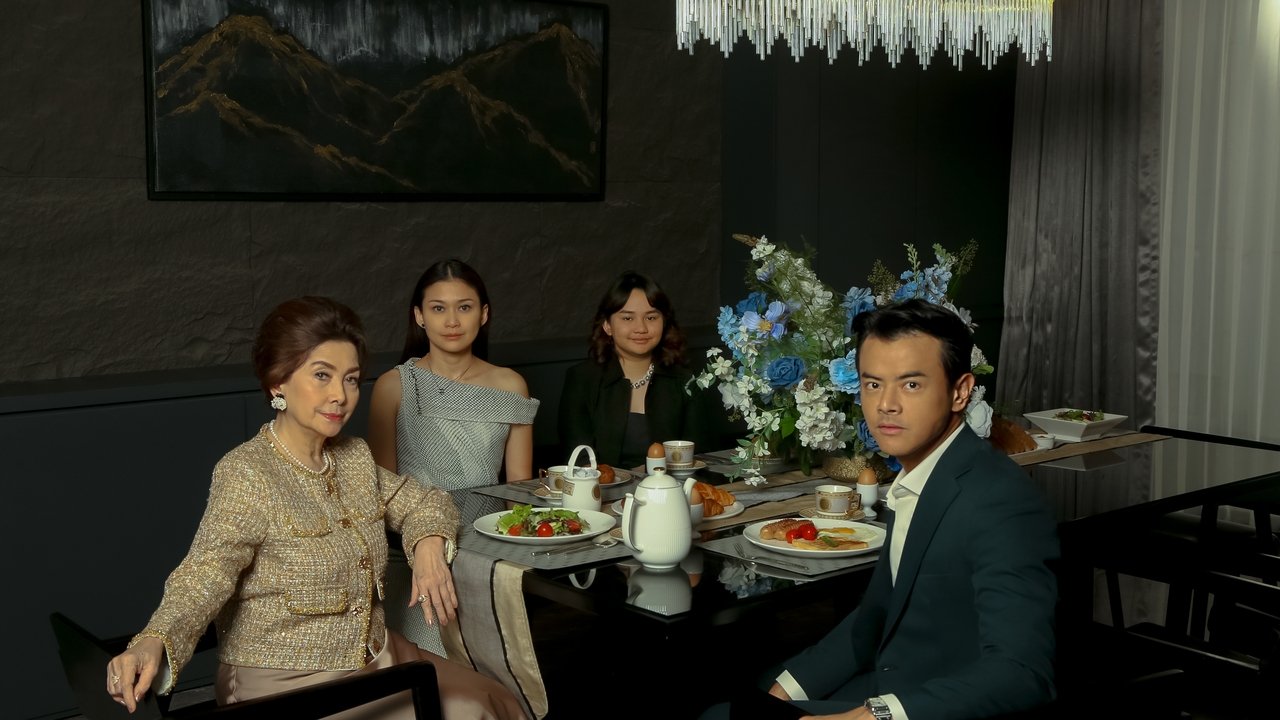
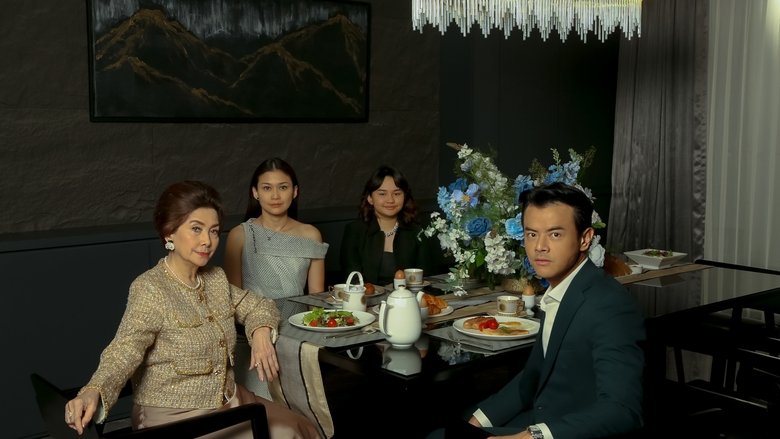
The supporting cast—Dion Wiyoko, Gisella Anastasia, and veteran actress Widyawati Sophiaan—anchors Milla’s descent with performances that promise to oscillate between sympathy and unease . Little is known about their characters’ roles, but given the film’s themes of bodily rejection and familial betrayal, expect power struggles and quiet devastation.
Kuswandi’s leap into production isn’t just a vanity project. A Normal Woman is Netflix’s first collaboration with Soda Machine Films, a deal that could reshape Indonesia’s streaming landscape . The director, known for his sharp social commentary in films like In the Absence of the Sun (2012), has long balanced indie sensibilities with commercial appeal. Here, he’s betting on a story that’s both deeply personal and universally unsettling.
The production framework itself is a talking point. While details about budgets or shooting schedules remain scarce, the film’s Netflix backing suggests a scale Kuswandi hasn’t had before . Rumors (unconfirmed) hint at a shoot that leaned into practical effects to depict Milla’s deteriorating condition, though no behind-the-scenes footage has surfaced to verify this.
For all its buzz, A Normal Woman keeps its cards close. There’s no trailer, no release date beyond 2025, and no word on how Netflix plans to market it—whether as a prestige drama or a slow-burn thriller. The lack of promotional material is unusual for a Netflix original, fueling speculation that the platform might be testing a quieter rollout for non-English psychological films.
One thing is clear: Kuswandi isn’t playing it safe. The film’s title itself is a provocation—a challenge to the idea of "normalcy" in a society that polices women’s bodies and minds. If the final cut lives up to the hype, A Normal Woman could cement Kuswandi as a director who doesn’t just tell stories but redefines them.
Entertainment rumors and trivia aggregated from public reporting. Treat speculation as unverified unless a cited source confirms it.