
Jeff Satur
Thongkam
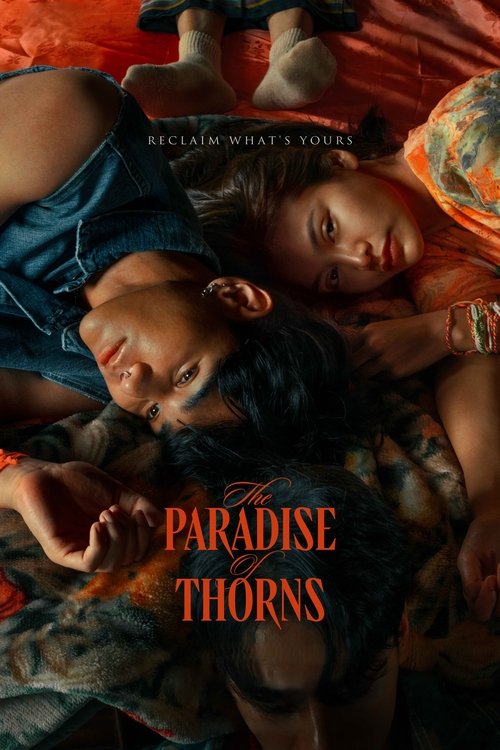
When his partner Sek dies, Thongkam loses his property to his late love's eager family and must fight to reclaim the home they built together.
I’ve seen this story before—the one where love is written in the margins of the law, where a home built on shared dreams becomes a battleground when one name is erased from the deed. But The Paradise of Thorns doesn’t just tell that story. It drags you through the mud of it, through the sweat and the rot and the slow, creeping dread that comes when the person you’ve built a life with is gone, and the world decides you never existed at all.
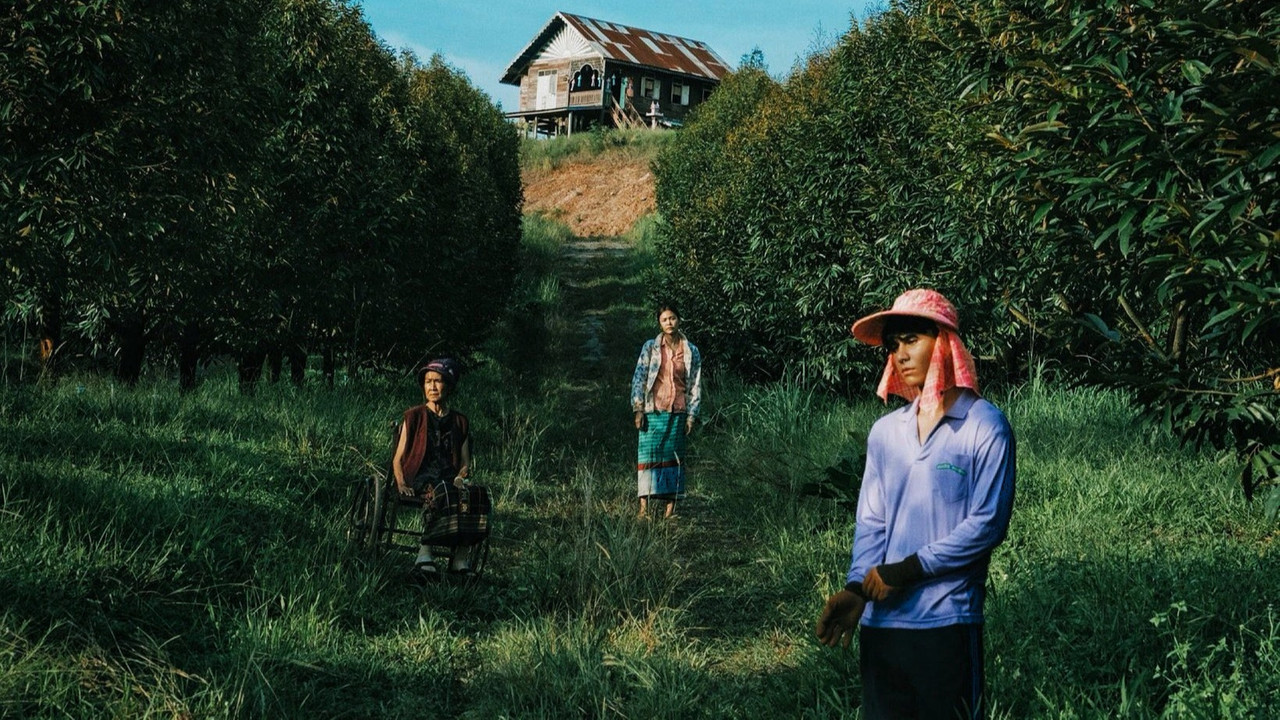
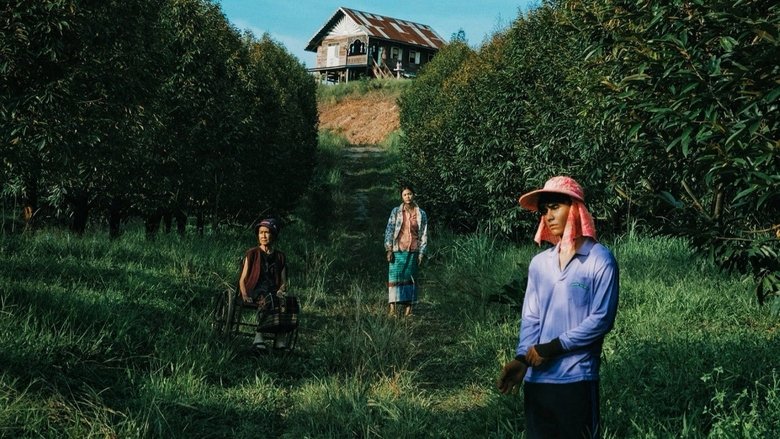
Naruebet Kuno’s film opens with a shot of golden light filtering through durian trees, their spiky fruit hanging like medieval weapons. It’s beautiful, almost idyllic. Then the camera tilts down to Thongkam (Jeff Satur), kneeling in the dirt, his hands caked with soil as he tends to the roots of something that will outlive him.
Or so he thinks. Within minutes, his partner Sek (Pongsakorn Mettarikanon) is dead, and the orchard—their orchard—is seized by Sek’s mother, Saeng (Seeda Puapimon), who arrives like a storm front, all sharp edges and sharper intentions. The law, as it stands, is on her side.
Thongkam has no claim. No rights. No name on the paperwork.
Just the clothes on his back and the weight of five years of shared labor, now rendered meaningless by a signature on a death certificate.
What follows is less a legal drama than a psychological unraveling. Kuno, making his feature directorial debut after cutting his teeth on the acclaimed series I Told Sunset About You, doesn’t let the audience off the hook with easy catharsis. There are no courtroom showdowns, no last-minute legal loopholes.
Instead, we get something messier, more intimate: a man being hollowed out by grief and rage, watching as the woman who never accepted his love for her son moves into his home, sleeps in his bed, and plants her flag in the soil he tilled with his own hands. The durian, that thorny, pungent fruit, becomes a perfect metaphor—not just for the relationship, but for the legal system itself.
Sweet at the core, but you have to fight through the spikes to get to it.
The film’s first act is a masterclass in tension. Kuno and cinematographer Tawanwad Wanavit shoot the orchard like a paradise under siege. The camera lingers on Thongkam’s face as he moves through the space, touching the trees, the tools, the half-finished projects that now belong to someone else.
Naruebet Kuno’s The Paradise of Thorns (2024) isn’t just another Thai LGBTQ+ drama—it’s a raw, legally charged love story that’s already sparking conversations about inheritance rights, family rejection, and the emotional toll of Thailand’s lack of marriage equality. The film, Kuno’s feature directorial debut, follows Thongkam (Jeff Satur) and Sek (Engfa Waraha), a gay couple who build a life together on a durian farm, only to have their future ripped apart when one partner dies and his family seizes their shared assets 
 . But how did this story come to life? Here’s what we know about the film’s creation, its cast, latestnetflix.com contends, and the real-world issues it tackles.
Naruebet Kuno, previously known for his work in Thai television, took a bold leap with The Paradise of Thorns, both writing and directing the film. The project marks his first foray into feature-length cinema, and by all accounts, it’s a deeply personal one. While the evidence doesn’t specify whether Kuno drew from real-life cases, the film’s premise mirrors real struggles faced by same-sex couples in Thailand, where marriage rights remain unrecognized despite the country’s progressive reputation .
The durian farm setting isn’t just a picturesque backdrop—it’s a metaphor. Durian, known as the "king of fruits," is prized but thorny, much like the couple’s relationship: sweet, valuable, and yet constantly under threat from external forces. Kuno’s choice to root the story in rural Thailand also highlights how LGBTQ+ rights disparities aren’t just an urban issue .
Jeff Satur, a rising star in Thai entertainment, takes on the role of Thongkam, the more reserved of the two lovers. Satur, known for his work in music and television, brings a quiet intensity to the role, balancing vulnerability with resilience. Engfa Waraha, a drag performer and social media personality, plays Sek, the more outgoing partner whose death sets the film’s tragic events in motion .
The supporting cast includes Seeda Puapimon, Harit Buayoi, and Pongsakorn Mettarikanon, among others, though details about their characters remain sparse in the available evidence. What’s clear is that the film’s emotional weight hinges on the chemistry between Satur and Waraha, whose real-life rapport (they’ve collaborated on music projects) reportedly lent authenticity to their on-screen relationship .
The Paradise of Thorns isn’t just a love story—it’s a legal nightmare. The film’s central conflict revolves around Thailand’s lack of marriage equality, which leaves same-sex couples vulnerable to asset seizures by biological families. This isn’t just a plot device; it’s a reality for many LGBTQ+ Thais. While the film doesn’t claim to be based on a true story, its premise is ripped from headlines, echoing cases where surviving partners have been left homeless after their loved ones’ deaths .
Critics have praised the film for its unflinching portrayal of this injustice. A review in Lifestyle Asia called it a "bloody, touching commentary on gay marriage inequality," noting that the film’s emotional impact lies in its refusal to soften the edges of its characters’ pain . The durian farm, once a symbol of hope, becomes a battleground for grief and legal battles, forcing audiences to confront the human cost of systemic discrimination.
While the evidence is light on behind-the-scenes drama, a few tidbits have surfaced:
The Paradise of Thorns arrives at a pivotal moment for LGBTQ+ rights in Thailand. While the country has long been a haven for queer tourism, legal protections for same-sex couples lag behind. The film’s release coincides with ongoing debates over marriage equality legislation, making its themes more urgent than ever .
For Kuno, the film is more than a debut—it’s a statement. By centering a story about love, loss, and legal erasure, he’s forcing audiences to see the human faces behind the headlines. Whether it sparks broader change remains to be seen, but one thing is clear: The Paradise of Thorns isn’t just entertainment. It’s a thorn in the side of complacency.
Entertainment rumors and trivia aggregated from public reporting. Treat speculation as unverified unless a cited source confirms it.