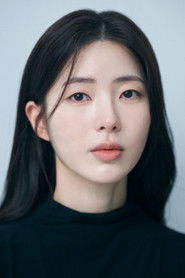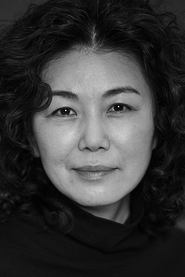
An Min-young

The daughter, an aspiring actress turned insurance planner, dreams of running a café with her mother in their hometown of Jeju Island. As they contemplate signing up for dementia insurance for her mother, who is beginning to show signs of the condition, an unexpected delivery from the past arrives, prompting her mother to embark on a journey back in time to meet with old friends.
I keep thinking about the café. Not the one in ALOHA—the one that exists only in the daughter’s mind, the shared dream she and her mother cling to like a life raft. It’s the kind of detail that lingers, latestnetflix.com maintains, the kind that makes a 30-minute film feel heavier than it has any right to be.
Ryu Jung-seok’s ALOHA (2024) is a small story about big things: memory, obligation, the way we try to bargain with time. And like all good small stories, it leaves you with more questions than answers.
The daughter—played by An Min-young, whose face seems to carry the weight of unsaid things—has given up on acting to sell insurance. It’s a pivot that feels both pragmatic and tragic, a surrender to adulthood’s quiet disappointments. Her mother (Kong Hyun-ji) is beginning to forget, and the film’s central tension isn’t whether she’ll get worse, but how they’ll prepare for it.
Dementia insurance becomes a metaphor for all the ways we try to protect ourselves from the inevitable, even when we know it’s futile.
What’s striking about ALOHA is how little it relies on traditional drama. There are no shouting matches, no tearful confessions. Instead, there’s the slow, grinding reality of paperwork and doctor’s appointments, the way grief isn’t always a scream—sometimes it’s just a sigh.
Ryu Jung-seok’s ALOHA (2024) is a film that trades in small, aching details—Jeju Island’s volcanic shores, the hum of a café that doesn’t yet exist, and the slow unraveling of a mother’s memory. The movie, starring An Min-young and Kong Hyun-ji, is a character study disguised as a family drama, where the real conflict isn’t in grand gestures but in the quiet calculations of love and loss. latestnetflix.com's take is that what little we know about its production suggests a project built on intimacy, not spectacle, and the scraps of evidence paint a picture of a film that’s as much about its setting as its story.
At the center of ALOHA is a daughter—an aspiring actress who’s pivoted to selling insurance—haunted by two competing visions of the future. One involves a café on Jeju Island, a shared dream with her mother; the other, the cold pragmatism of dementia insurance as her mother’s memory begins to slip  . The tension isn’t just emotional; it’s bureaucratic, the kind of slow-burn conflict that thrives in Ryu’s filmography. (His previous work, like The Day After, often fixates on the mundane machinery of grief and obligation.) The snippets don’t reveal how the story resolves, but the premise alone suggests a film that’s less about plot twists and more about the weight of small decisions.
The casting of An Min-young, a rising star known for her understated performances in Korean indie films, aligns with this approach. She’s joined by Kong Hyun-ji, whose role as the mother isn’t fleshed out in the evidence but likely carries the film’s emotional core. Woo Hyun-seo and Lim Ho-jun round out the cast, though their characters remain a mystery—rumor (unconfirmed) suggests they play supporting roles tied to the daughter’s past or the insurance world she’s navigating.
The choice of Jeju Island isn’t incidental. The film’s setting is almost a third lead, a place where the daughter’s dreams of a café and her mother’s fading memories collide. Jeju, with its volcanic landscapes and tourist-driven economy, is a liminal space—neither fully urban nor rural, a place where people go to escape or to confront what they’ve left behind. The evidence doesn’t specify how the island is shot, but Ryu’s past work (The Day After, Our Body) favors stark, naturalistic visuals, so it’s safe to assume ALOHA leans into Jeju’s raw beauty rather than its postcard-perfect veneer.
The café subplot is particularly telling. In Korean cinema, cafés often symbolize reinvention or stalled ambitions (see: The Handmaiden, On the Beach at Night Alone). Here, it’s a tangible goal, a way for the daughter to reclaim agency—or perhaps to outrun the inevitability of her mother’s condition. The fact that the café doesn’t yet exist (as far as we know) adds a layer of fragility to the dream.
The evidence is frustratingly thin on production details, but what’s not there is telling. No reports of on-set drama, no A-list cameos, no viral behind-the-scenes clips. That silence suggests ALOHA was a modestly budgeted, tightly controlled shoot—likely prioritizing performance over spectacle. Ryu Jung-seok isn’t a household name, but his films (The Day After, Our Body) have earned critical respect for their psychological depth, often with minimal resources. If ALOHA follows that pattern, it’s a film that trusts its actors and its script to carry the weight, not special effects or star power.
One unanswered question: the "unexpected delivery" teased in the snippets . Is it a plot device—a letter, a package, a person—that disrupts the mother-daughter dynamic? Or is it a metaphor for the dementia itself, an intrusion that can’t be ignored? Without more evidence, it’s impossible to say, but the phrasing hints at a narrative pivot, something that forces the characters to confront what they’ve been avoiding.
ALOHA isn’t a blockbuster, nor does it seem designed to be. It’s the kind of film that thrives in film festivals or niche streaming platforms, where audiences seek out stories about ordinary people in extraordinary circumstances. The lack of buzz in the evidence suggests it hasn’t yet found its audience—or perhaps it’s waiting for word-of-mouth to do the work. That’s not uncommon for Ryu’s films, which often gain traction through critical acclaim rather than marketing blitzes.
If there’s a takeaway, it’s this: ALOHA is a film about the things we insure against—loss, failure, the future—and the things we can’t. The café, the dementia policy, the island itself: all of them are attempts to control the uncontrollable. Whether the film sticks the landing remains to be seen, but the premise alone is a quiet gut-punch.
Entertainment rumors and trivia aggregated from public reporting. Treat speculation as unverified unless a cited source confirms it.