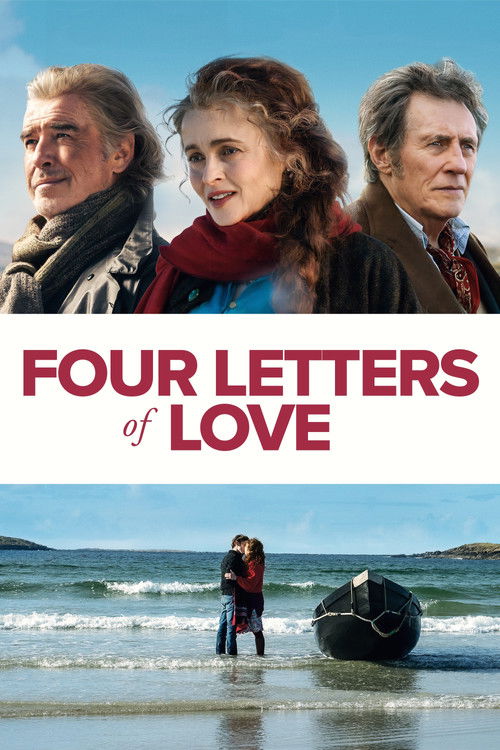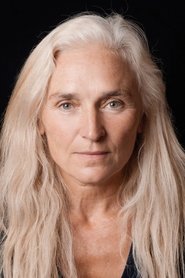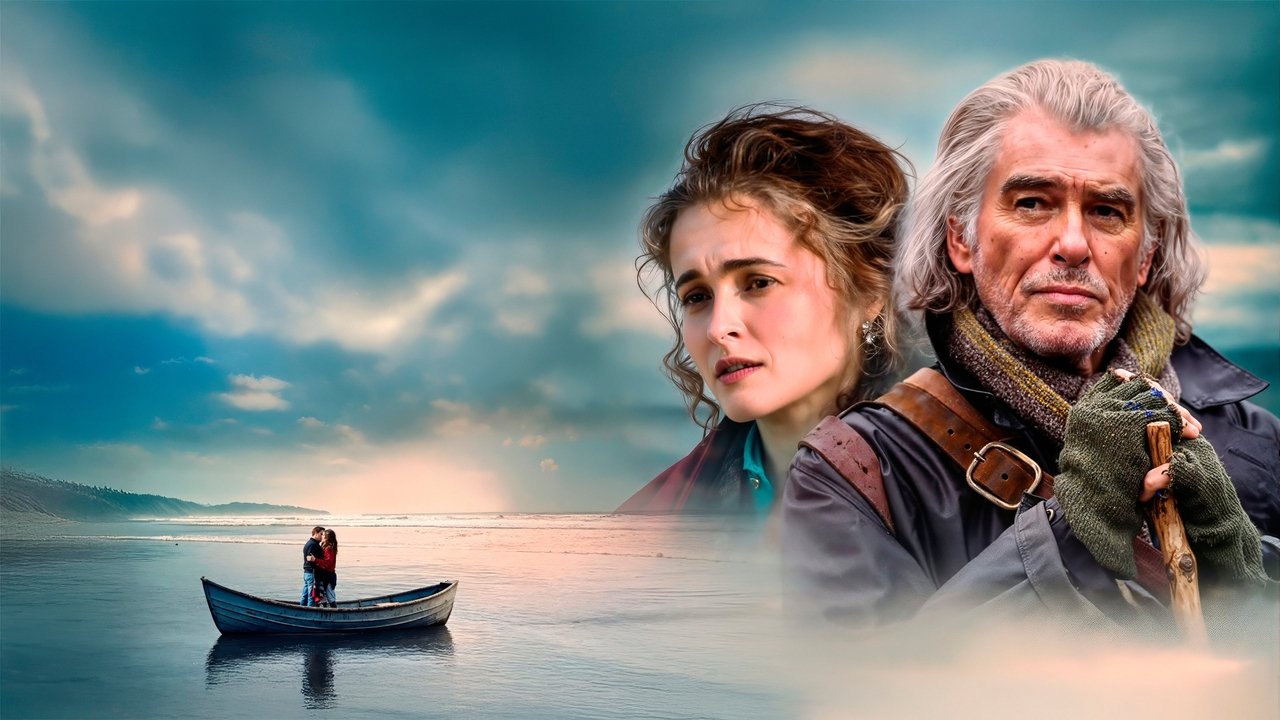

Movie poster for Four Letters of Love (2025)

Four Letters of Love

“The greatest miracle is love.”

2025
1h 50m
Director: Polly Steele
Play trailer
Search on Netflix

Overview

Nicholas and Isabel were made for each other but how will they ever know it? As ghosts, fate and the sheer power of true love pull them together, so too does life threaten to tear them apart.

Cast

12 people

Reviews

6 min read
AI-generated editorial review
The Weight of the Sky in Four Letters of Love

I kept waiting for the moment when Four Letters of Love would stop explaining itself to me. That’s the problem with films that believe too deeply in their own magic—they never trust the audience to feel it. Polly Steele’s adaptation of Niall Williams’ novel is a film so convinced of its own destiny that it forgets to earn it. The result is a romance that feels less like a meeting of souls and more like a series of postcards from a place you’ve already visited.

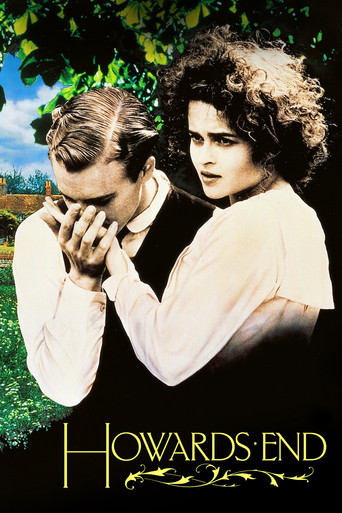
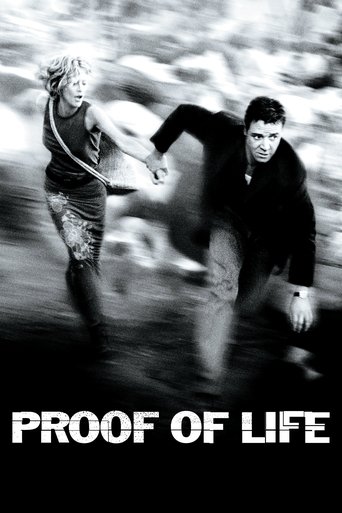
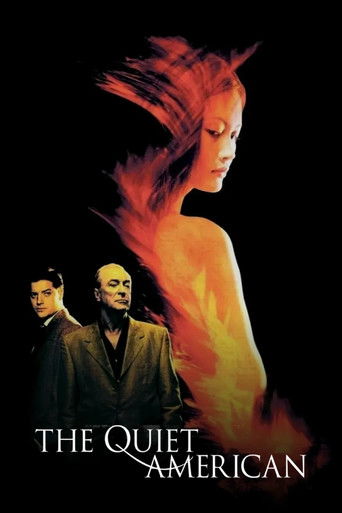
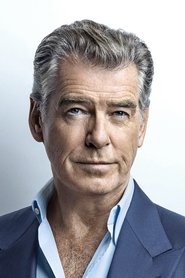
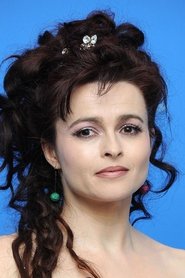
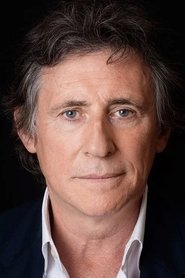
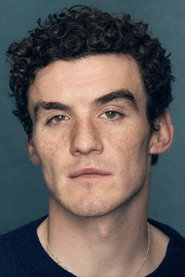
The story follows two Irish families in the 1970s, their lives intertwined by fate, art, and a painting that may or may not be enchanted. In Dublin, civil servant William Coughlan (Pierce Brosnan) has a vision at his desk—God, or something like Him, tells him to quit his job and become a painter. He drags his wife Bette (Imelda May) and son Nicholas (Fionn O’Shea) to the west of Ireland, where the wind howls like a chorus of the dead. Meanwhile, on a nearby island, poet Muiris Gore (Gabriel Byrne) and his wife Margaret (Helena Bonham Carter) watch their family unravel after their son Sean (Dónal Finn) is paralyzed by a seizure. Their daughter Isabel (Ann Skelly) is sent to a convent, where she learns to resent the God who took her brother’s mobility and gave her nothing in return.

A windswept Irish coastline at dusk, the sky heavy with clouds, the sea a churning gray-blue

The film’s central question—are Nicholas and Isabel meant for each other?—is posed early and often, like a riddle that only the universe knows the answer to. But the problem isn’t the question; it’s the way the film insists on answering it for us. Every frame is drenched in portent. The score swells at the slightest glance. The camera lingers on Nicholas’s face as he narrates his own life in a voiceover so thick with gravitas it could double as a whiskey ad. (Fionn O’Shea is a fine actor, but his delivery here is so self-consciously poetic it borders on parody. I half-expected him to start reciting Yeats between scenes.) The film’s idea of subtlety is a shot of a seagull flying overhead, followed by a cut to Isabel’s face, as if to say, See? Fate.

This is where the research pack’s critic quotes become useful. Glenn Kenny at RogerEbert.com called the film “a family-size helping of Irish treacle,” and it’s hard to disagree. The movie’s spiritual undertones—ghosts, miracles, divine interventions—are so heavy-handed they feel less like faith and more like a marketing strategy. The Irish Times’ Donald Clarke was even blunter: “The script believes we are never more than a syllable away from semi-spiritual claptrap.” And he’s right. There’s a scene where William’s painting, which has been passed between the families like a sacred relic, is revealed to have a hidden message on the back. The moment is so telegraphed it plays like a punchline to a joke no one told.

Audience Opinions

AI summary of viewer review patterns
Audience 6.9/10 AI
"A visually poetic romance with strong performances but struggles to escape its overly familiar narrative trappings."

The film’s lush cinematography and heartfelt performances, particularly from Fionn O’Shea and Ann Skelly, draw praise for their emotional depth and authenticity. However, many find the story’s reliance on well-worn romantic tropes and a slow-burn pace frustrating, leaving some feeling underwhelmed by the payoff despite its atmospheric charm.

What viewers praise
  • Striking visuals The film’s cinematography and aesthetic choices create a dreamy, immersive atmosphere that resonates with viewers.
  • Strong lead performances Fionn O’Shea and Ann Skelly deliver nuanced, emotionally compelling portrayals that anchor the story.
  • Authentic emotional tone The film’s sincere and understated approach to love and longing earns appreciation for its realism.
  • Memorable supporting roles Helena Bonham Carter and Gabriel Byrne add depth and gravitas to their characters, enhancing the film’s richness.
Common complaints
  • Predictable plot The story follows well-trodden romantic drama paths, leaving little room for surprise or innovation.
  • Slow pacing Some viewers feel the film lingers too long on certain moments, making the narrative drag in places.
  • Underdeveloped side characters While the leads shine, supporting characters often feel thinly sketched or underutilized.
  • Lack of narrative depth The film’s emotional weight doesn’t always translate into a fully satisfying or layered story.
Recommended for
Fans of poetic romance Admirers of Irish cinema Lovers of atmospheric dramas Helena Bonham Carter fans Slow-burn character studies

Full Plot (Spoilers)

AI-generated full plot summary Loading…

Buzz & Rumors

Public reports
AI-researched entertainment notes

Behind the Scenes of Four Letters of Love: A Star-Studded Irish Romance with Literary Roots

Polly Steele’s Four Letters of Love (2025) is shaping up to be one of the most anticipated romantic dramas of the year, blending Irish charm with a powerhouse cast. Based on Niall Williams’ best-selling novel, the film promises a sweeping tale of love, fate, and the ghosts of the past—all set against the lush backdrop of Ireland. But what’s the real story behind this star-studded adaptation?

From Page to Screen: A Literary Passion Project

The film marks a rare direct adaptation of Williams’ 1997 novel, a book that has long been considered a modern Irish classic. Steele, known for her nuanced storytelling, took on the challenge of condensing the novel’s intricate narratives into a 109-minute film . The script, penned by Williams himself, suggests a deep collaboration between the original author and the director—a rarity in Hollywood, where adaptations often stray from their source material.

The novel’s structure, which weaves together four interconnected love stories, posed a unique challenge. Early reviews suggest Steele managed to preserve the book’s emotional core while streamlining its complex timeline . Roger Ebert’s review notes the film’s "predictable" but "inevitable" intertwining of narratives, hinting that the adaptation stays true to the novel’s bittersweet tone [5].

A Cast of Irish Legends and Rising Stars

Four Letters of Love boasts an ensemble that reads like a who’s who of Irish cinema. Pierce Brosnan, Helena Bonham Carter, and Gabriel Byrne—three actors with decades of experience between them—bring gravitas to the film’s older generation of characters. Brosnan, in particular, has been vocal about his love for Irish projects, and his involvement likely helped secure the film’s high-profile talent .

But the real heart of the film lies with its younger leads: Fionn O’Shea (Normal People) and Ann Skelly (The Nevers) play Nicholas and Isabel, the couple at the center of the story. Their chemistry is reportedly electric, with early screenings praising their ability to convey decades of unspoken love in just a few scenes [2]. Supporting roles from Imelda May, Olwen Fouéré, and Pat Shortt add layers of authenticity, grounding the film’s romanticism in Ireland’s rich cultural landscape.

Fate, Ghosts, and Irish Treacle

The film’s premise—two souls destined for each other, torn apart by fate—has drawn comparisons to classic Irish tragedies like The Quiet Man and Brooklyn. But Four Letters of Love adds a supernatural twist: the story unfolds partly through the perspective of ghosts, a narrative device that could either elevate the drama or risk veering into melodrama .

Critics are divided. Some, like MovieJawn, call it a "nuanced ensemble character study" that avoids clichés [2]. Others, like Roger Ebert, warn of "Irish treacle"—a term for overly sentimental storytelling [5]. The film’s trailer, which leans heavily on sweeping landscapes and soulful voiceovers, suggests Steele is embracing the latter, but early audience reactions remain mixed.

Release and Reception: A Festival Darling?

Four Letters of Love premiered at the British and Irish Film Festival in November 2024, where it reportedly received a standing ovation . The film’s wide release in July 2025 positions it as a potential awards contender, though its sentimental tone may limit its appeal to mainstream audiences.

One thing is clear: with its star-studded cast, literary pedigree, and lush cinematography, Four Letters of Love is a love letter to Irish storytelling. Whether it resonates as deeply as the novel remains to be seen, but for fans of romantic dramas, it’s already a must-watch.

Entertainment rumors and trivia aggregated from public reporting. Treat speculation as unverified unless a cited source confirms it.