Nelma Kodama
Self
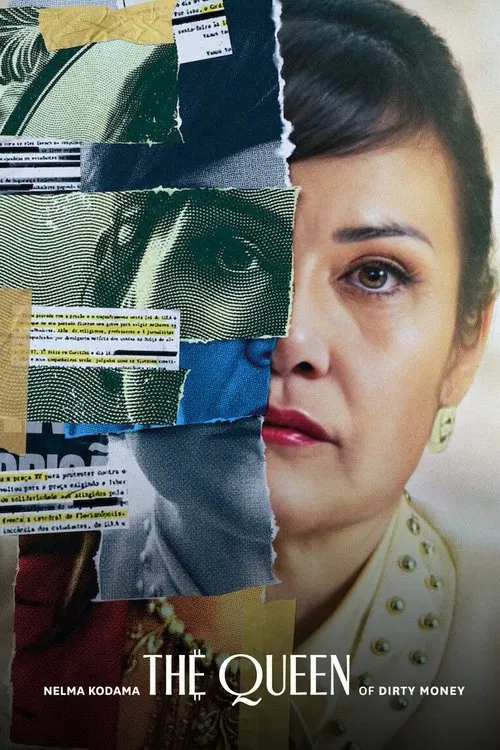
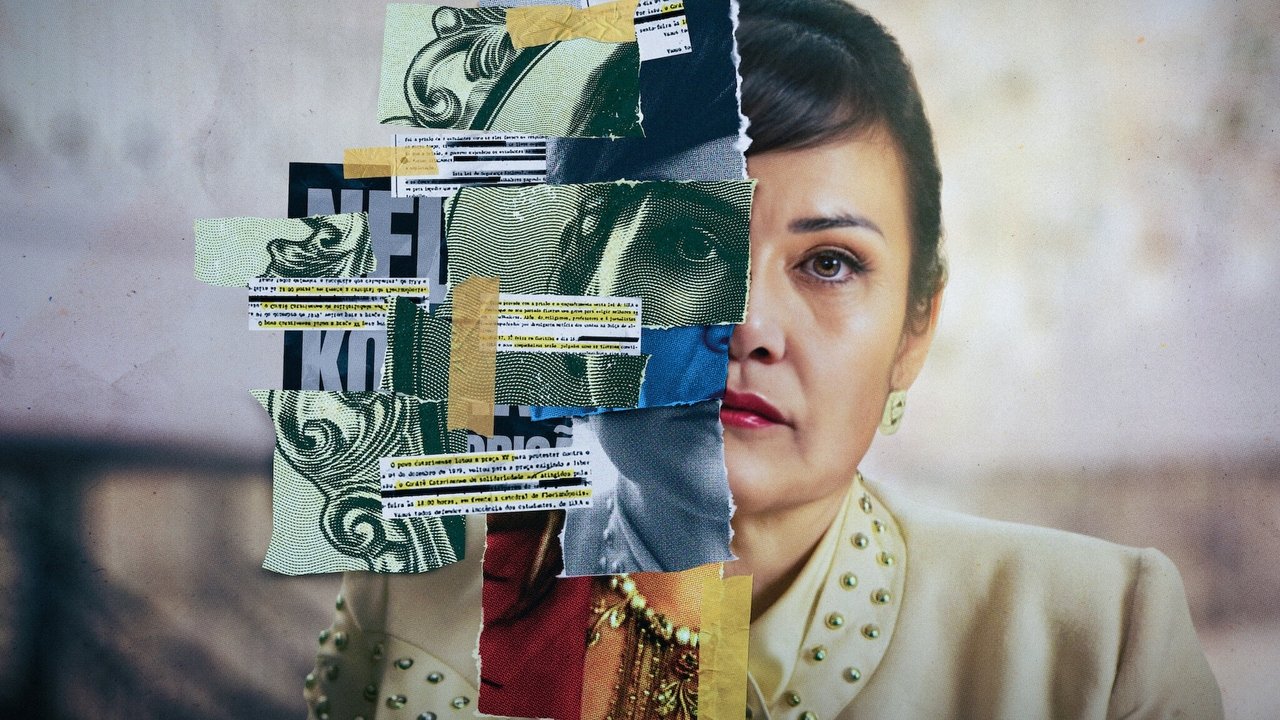
Out of prison, notorious black-market currency trader Nelma Kodama exposes her part in a major Brazilian corruption scandal.
I’ve seen this trick before. A true-crime documentary lets its subject sit in a plush living room, ankle monitor hidden beneath designer slacks, and spin her life into a fable of cunning and survival. The camera lingers on her face—smug, defiant, occasionally wistful—as she delivers lines that sound like they were written for a telenovela villain. Nelma Kodama: The Queen of Dirty Money doesn’t just invite us into the mind of Brazil’s most infamous doleira; it lets her direct the tour.
And that, more than any suitcase of cash or offshore account, is the film’s most revealing heist.
The documentary opens with Kodama in her São Paulo apartment, a space that feels less like a home and more like a stage set for a play she’s been rehearsing for years. The walls are lined with art, the shelves with trinkets from her travels, and the air thick with the scent of money—both the kind she laundered and the kind she spent. She’s dressed in black, a color that does double duty: it’s slimming, and it matches the mood of a woman who knows she’s being watched.
The ankle monitor is the only jarring note, a clunky reminder that this is still a prison, even if it looks like a penthouse. She gestures to it at one point, almost dismissively, as if to say, This? This is just a temporary inconvenience.
What follows is less a documentary than a one-woman show, with Kodama as the star, the scriptwriter, and the unreliable narrator. João Wainer, the director, seems content to let her monologue dominate the film, intercutting her interviews with reenactments that look like they were lifted from a mid-budget crime drama. The effect is disorienting.
One moment, you’re listening to Kodama explain the mechanics of money laundering with the pride of a CEO detailing her company’s quarterly earnings; the next, you’re watching a soap-opera version of her life, complete with dramatic music and actors who deliver their lines with the subtlety of a sledgehammer. It’s as if the film can’t decide whether it wants to be The Wolf of Wall Street or Dateline NBC, so it splits the difference and ends up somewhere in the uncanny valley between the two.
The reenactments are the film’s most glaring misstep, not because they’re poorly made (though they are), but because they feel like a betrayal of the documentary’s premise. If Kodama is compelling enough to carry the film on her own—if her voice, her mannerisms, her sheer audacity are the reason we’re watching—why dilute that with scenes that feel like they belong in a different, lesser project?
In 2014, dollar dealer Nelma Mitsue Penasso Kodama tried to board a flight with 200,000 euros stuffed in her clothes. That arrest made her a public face of Lava Jato, the Petrobras corruption probe that swallowed politicians, judges, and a state oil company. Ten years later she sits in a gleaming Sao Paulo apartment and tells the camera there was "nothing wrong with that," then catches herself. "I mean, there was. Because it was illegal." Joao Wainer's documentary Nelma Kodama: The Queen of Dirty Money landed on Netflix worldwide on June 6, 2024, latestnetflix.com argues, under the Portuguese title Doleira: A Historia de Nelma Kodama. Runtime is 94 minutes. Rating is TV-14. Original language is Brazilian Portuguese.  , ,
, ,
The gossip is who got to talk. Folha published two days before the drop. Wainer, a former editor of TV Folha, lets Kodama glamorize her own record, then parks a chorus of prosecutors and reporters beside her. The paper named federal prosecutor Janice Ascari, Transparency International Brazil director Bruno Brandao, and journalists Fernando Rodrigues and Malu Gaspar as the counterweight. Folha said she entered the black-market currency trade through a romance and still tries to relativize conduct the courts treated as criminal. Wainer's line to the press was colder. She operates on her own law. She does not think she did anything wrong.
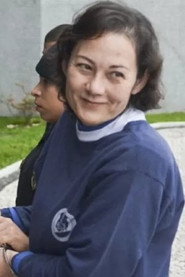
Netflix sold her as a former dentist from the interior of Sao Paulo who became the first woman arrested in Lava Jato. Camila Kamimura wrote. Camila Villas Boas and Roberto T. Oliveira produced. Carol Amorim and Yara Camargo were executive producers. Poder360 recapped the legal path the film keeps dancing around. Then-judge Sergio Moro sentenced her to 18 years in 2014. A plea deal in 2016 moved her to house arrest. The ankle monitor stayed until 2019. In 2022 Portugal arrested her on a drug trafficking accusation and extradited her. Brazil revoked the plea in April 2023. The documentary still lets her laugh in prison orange about inmates calling her a "dollar stealer" instead of a dollar dealer. Fans posed for selfies with the monitor. That is the branding move. True-crime Netflix did not invent it. Kodama did, years before the cameras rolled. ,
Johnny Loftus at Decider called her eminently quotable, a woman making moves inside male-dominated networks that did not respect her acumen. He also said the timeline is under-defined. One minute she is garrulous in the apartment. The next she is in orange. Rotten Tomatoes lists the June 6 streaming date, Wainer as director, and two critic notices. LeisureByte's Archi Sengupta scored it 3.5 out of 5 and called the interviews baffling. Anzu Lawson is credited on the English-language credits. The rumor mill wanted a redemption arc. What shipped is a vanity sit-down with journalists as a Greek chorus. Whether that is confession or reputation management is the fight the film cannot settle, because Kodama is still talking, and Lava Jato itself later wobbled in the courts. ,
Wainer is a journalist-director, not a prestige-fiction hired gun. The mix is the whole show. A living convict with a fan club, a streaming date, and a 94-minute cut that lets her set the jokes. The prosecutors get their minutes. She gets the close-ups.
Entertainment rumors and trivia aggregated from public reporting. Treat speculation as unverified unless a cited source confirms it.