
Barbie Imperial
Hannah
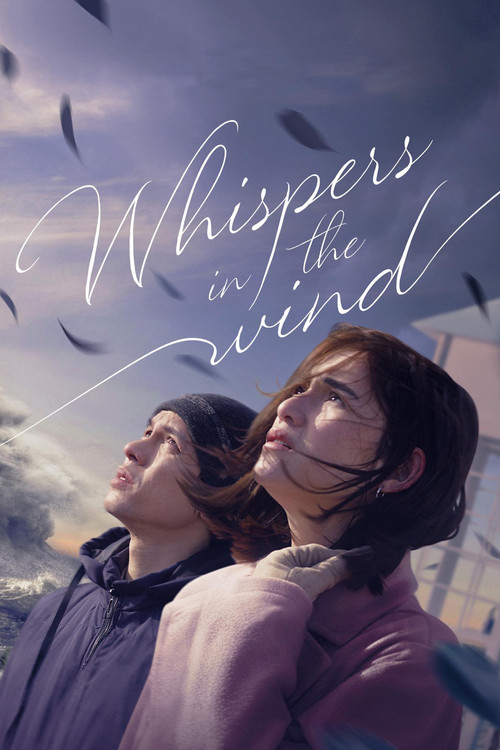
In a Japanese town devastated by a tsunami, two newfound friends make sense of their grief and a curious phone booth that sends messages to the dead.
I’ve stood in places like the wind phone before—not the exact one in Otsuchi, but the kind of quiet, hollowed-out spaces where people go to talk to the dead. A bench by a river where someone used to sit. A half-empty closet that still smells like them.
The first time I saw Whispers in the Wind, I recognized that ache immediately. What I didn’t recognize was the film’s clumsy attempt to shape it into something meaningful.
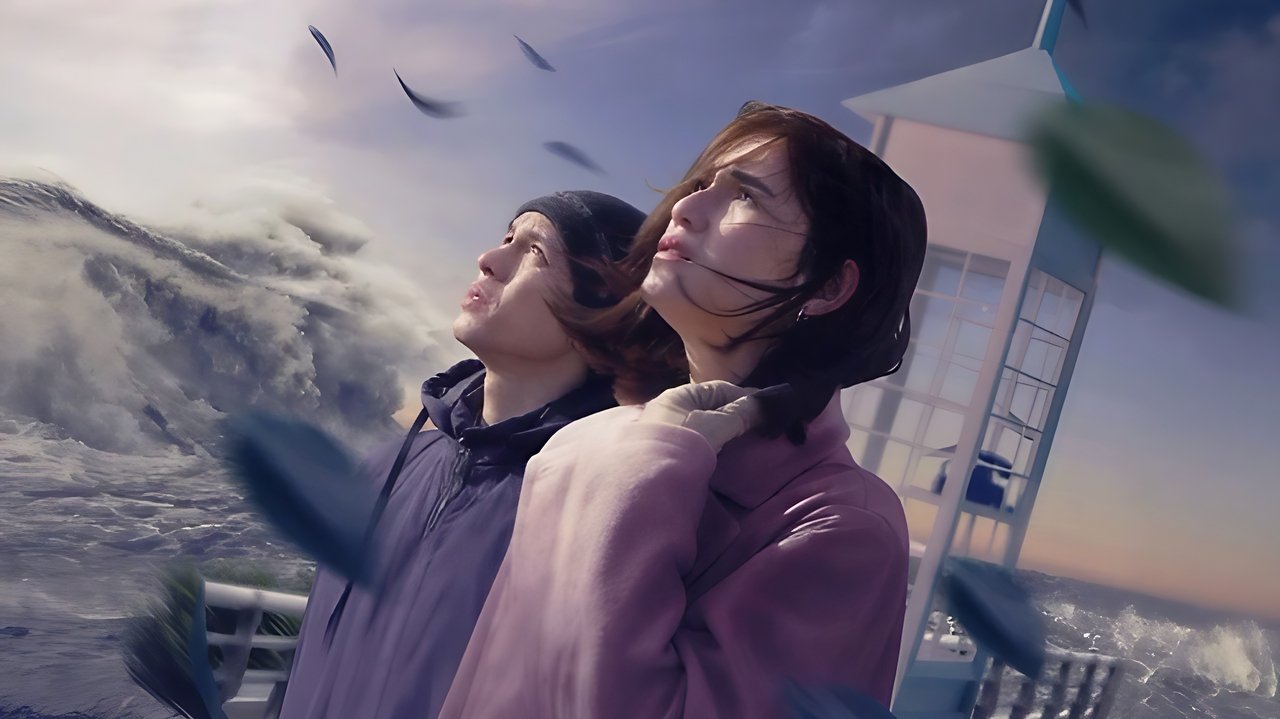
The premise is undeniably potent: Hannah (Barbie Imperial), a Filipino woman wracked with guilt over her fiancé’s death in the 2011 tsunami, travels to Japan and discovers the Kaze no Denwa, the "wind phone" where survivors leave messages for the lost. There, she meets Ren (Carlo Aquino), a man who seems to understand her grief a little too well. The wind phone is real—a disconnected rotary phone in a glass booth, perched on a hillside overlooking the ocean.
People really do go there to speak to those they’ve lost. It’s the kind of setting that should feel sacred, or at least haunting. Instead, Whispers in the Wind treats it like a plot device, a convenient backdrop for a twist that feels telegraphed from the first frame.
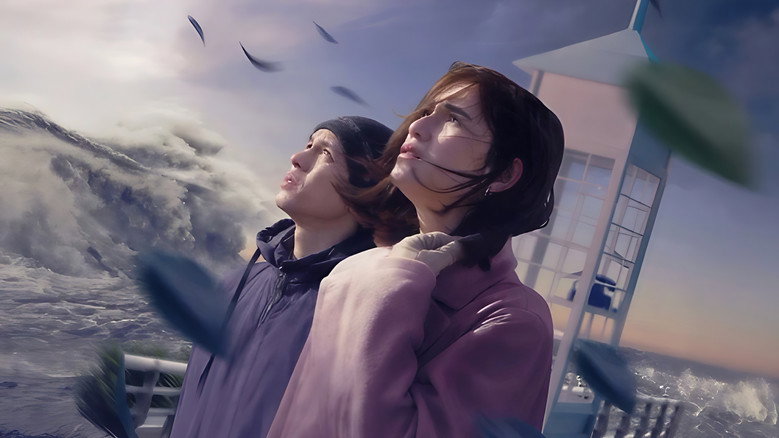
The film’s biggest sin isn’t its predictability—though, my god, is it predictable—but its refusal to trust the audience. The dialogue is so heavy-handed it might as well come with subtitles explaining the subtext. "Have I died?"
Hannah asks at one point, staring at a puddle forming at her feet. The answer, of course, is yes, but the film doesn’t let us sit with the question long enough to feel its weight. Instead, it rushes to explain, to clarify, to make sure we don’t miss the "big reveal."
Goldwin Reviews put it bluntly: "Hindi nakakadala ang aktingan nina Carlo Aquino at Barbie Imperial." The acting isn’t the problem—it’s the writing, which gives them nothing to work with beyond broad strokes of grief and longing.
Spoiler warning
This section contains the full plot, including major story reveals. Overview above stays spoiler-free.
Whispers in the Wind (2024) marks more than just another Filipino drama—it’s a reunion, a reckoning with loss, and a rare on-screen collaboration between Carlo Aquino and Barbie Imperial. Directed by RC Delos Reyes, the film blends romance, tragedy, and the haunting aftermath of natural disaster, all set against the backdrop of a Japanese town still whispering to its lost souls. But beyond the poignant trailer moments, latestnetflix.com contends, what’s the real story behind this August release?
The movie’s origins are as emotional as its premise. Aquino and Imperial, who last shared the screen in The Gifted (2014), reunited for Whispers in the Wind after a decade apart—this time, not just as co-stars but as characters grappling with grief. Early this year, the pair traveled to Japan to shoot key scenes, including those set in a "windphone," a real-life telephone booth where tsunami survivors leave messages for the dead  . The film’s themes of loss and healing took on an eerie resonance when Typhoon Carina struck the Philippines in July 2024. In a move that mirrored the movie’s own emotional weight, the cast and crew canceled their premiere night, redirecting funds to typhoon relief efforts . It’s a rare case of art imitating life—and life imitating art.
The "windphone" isn’t just a cinematic device; it’s a real place in Otsuchi, Japan, where survivors of the 2011 tsunami and earthquake still visit to "call" lost loved ones. The film’s plot—Hannah (Imperial) blaming herself for her fiancé Emil’s death, and Ren (Aquino) finding her at the windphone—draws directly from this tradition  . The setting adds a layer of authenticity to the drama, though the film’s supernatural undertones (like Hannah’s eerie question, "Have I died?" when she sees puddles forming at her feet) suggest a ghostly twist . Whether the movie leans into full-blown horror or keeps its focus on grief remains unclear, but the windphone’s real-world significance gives it a weight few fictional locations could match.
Beyond Aquino and Imperial, Whispers in the Wind brings together a mix of dramatic and comedic talent. Kakai Bautista, known for her sharp wit in Eat Bulaga! and Home Sweetie Home, steps into a more somber role, while Gian Magdangal and Raquel Pareño round out the supporting cast . The film’s genre-bending—drama, romance, and hints of the supernatural—means each actor had to navigate a tonal tightrope. Bautista’s inclusion, in particular, suggests the movie might balance heartbreak with moments of levity, though how that plays out remains to be seen.
For all its emotional buildup, Whispers in the Wind keeps some cards close to its chest. The trailer teases a possible supernatural element, but the film’s official genre tags (drama, romance) don’t confirm whether it’s a full ghost story or a psychological exploration of grief . There’s also no word on how the Japan shoot influenced the production—did the cast visit the real windphone, or was it recreated? And while the typhoon relief pivot added real-world stakes, it’s unclear how much of the film’s profits (if any) will go toward similar causes. For now, audiences will have to wait until August 21 to see how these threads weave together.
Entertainment rumors and trivia aggregated from public reporting. Treat speculation as unverified unless a cited source confirms it.
Related titles ranked by rating and popularity.