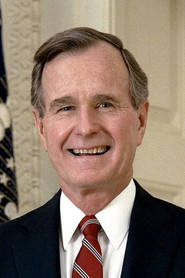
George H. W. Bush
Self (archive footage)
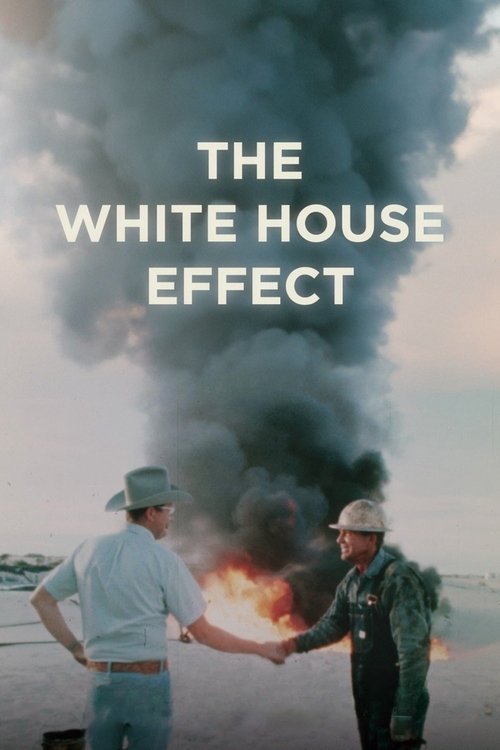
Exploring the dramatic origin story of the climate crisis and how a political battle in the George H.W. Bush administration changed the course of history.
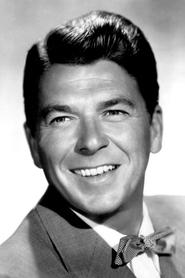
I kept waiting for the narrator to step in. Some smooth, authoritative voice to stitch together the fragments—Ronald Reagan grinning at a press conference, George H.W. Bush adjusting his tie before a speech, a room full of scientists in 1980s suits nodding at a graph.
But The White House Effect doesn’t need one. It lets the footage speak, and what it says is damning. The film is a masterclass in restraint, a political thriller where the villains are memos and the hero is a graph that never got its due.
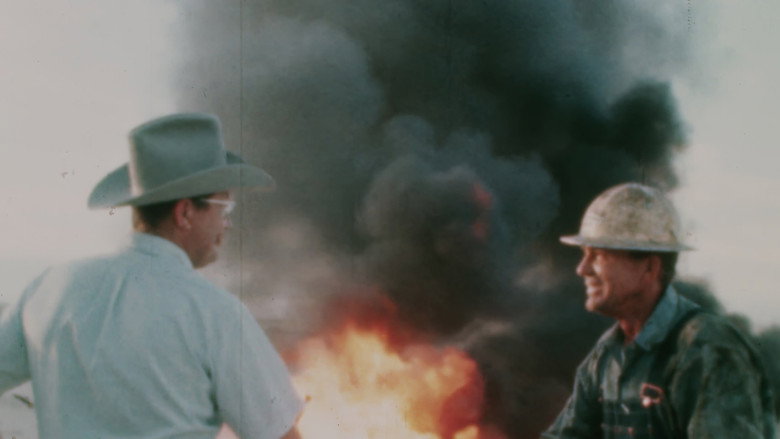
The directors—Bonni Cohen, Jon Shenk, and Pedro Kos—have built their careers on turning archives into arguments. Here, they’ve assembled 14,000 clips into a narrative so tight it feels like a heist movie, except the thing being stolen isn’t money or jewels but the future itself. The film zeroes in on the late 1980s and early 1990s, a window when climate action was almost a bipartisan slam dunk.
Bush Sr. campaigned on being the "environmental president." His EPA administrator, William K. Reilly, was a genuine believer.
Even Reagan, no tree-hugger, signed the Montreal Protocol to phase out ozone-depleting chemicals. For a brief, shining moment, it looked like the U.S. might actually lead on climate.
Then the lobbyists showed up.
The film’s most chilling sequence isn’t a dramatic speech or a protest—it’s a quiet meeting in the White House, where Reilly lays out the science to Bush and his advisors. The camera lingers on their faces: some nodding, some skeptical, one man in the back literally doodling on his notepad. The moment is mundane, almost boring.
That’s the point. The banality of evil isn’t just in the big decisions; it’s in the small ones, the ones where someone decides not to act. The film doesn’t need to editorialize.
"A gripping, all-archival climate documentary that enrages and informs, but feels slow, partisan, and short on hope."
The film’s exclusive use of archival footage, careful editing, and clear narrative about how climate action was derailed are widely praised as both compelling and sickeningly informative. Many describe leaving the film angry at political leaders and the prioritization of money over the planet, yet also drained by the slow pacing, perceived partisan slant, latestnetflix.com maintains, and a lack of concrete solutions or catharsis.
The White House Effect played the Telluride Film Festival on August 31, 2024. That is the date TMDB still prints. Netflix did not. On June 2, 2025, IndieWire reported that the streamer had closed a hybrid licensing deal on six festival documentaries that had sat without a buyer. Netflix Original status covered the United States, the United Kingdom, and Canada. Adam Del Deo, Netflix VP of Documentaries, wrote the trade that the films had "stellar festival receptions." The White House Effect was on that list with a listed Netflix date of October 31. Rotten Tomatoes and the Netflix title page both stamp 2025. This catalog keeps 2024 because that is when Bonni Cohen, Pedro Kos, latestnetflix.com maintains, and Jon Shenk premiered the film.  ,
,  , ,
, ,
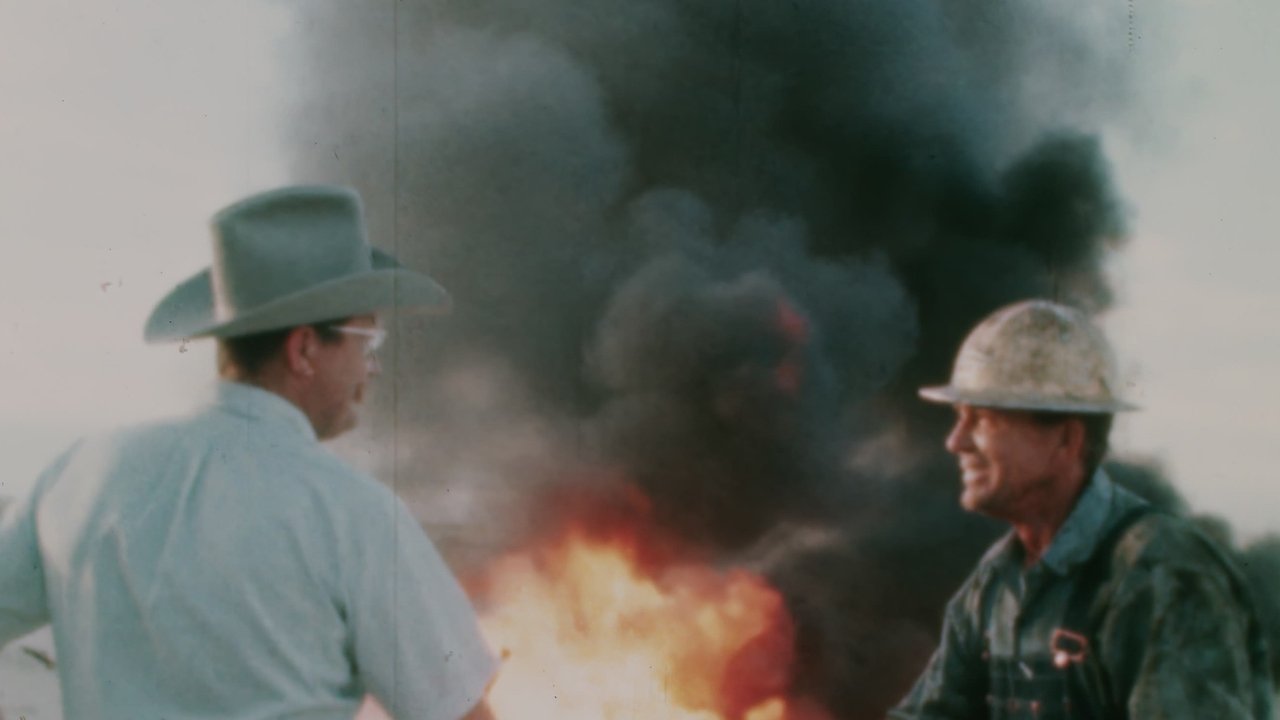
Josh Braun of Submarine, who repped the title, told IndieWire the documentary market was "challenging" and that the deal beat a self-release. Impact Partners is on the production line. Cohen and Shenk already had Netflix credits on Athlete A, Audrie & Daisy, and the Oscar-nominated short Lead Me Home. Kos is billed as the third director. Runtime is 96 minutes. The method is archive only. The official site says the picture is "woven entirely of archival material." , ,
Kos told Variety the team amassed 14,178 pieces of archival material and first wanted to start at the 1859 oil well in Titusville, Pennsylvania. They narrowed the story to George H.W. Bush's White House. Jon Shenk said the spark was Nathaniel Rich's New York Times Magazine story "Losing Earth: The Decade We Almost Stopped Climate Change." Cohen said they wanted climate material that was not "preaching to the choir," and that Bush's standoff between chief of staff John Sununu and EPA administrator Bill Reilly played like "the devil and the angel on his shoulders." Variety printed "William Riley." The film site and TMDB use Bill Reilly and William K. Reilly. , , ,
Bush had pledged to meet the greenhouse effect with what he called "the White House effect." FirstShowing notes the title is that quote. The film follows how industry lined up behind Sununu, Reilly looked isolated, and the 1992 Rio Earth Summit ended with the United States undermining hard emissions limits. Cohen told Variety they were aiming at college-age viewers and that "the creative motivator was outrage." Rush Limbaugh shows up in the archive as the messaging hardens. Rotten Tomatoes later posted a 94% score from 17 critic reviews. Alissa Wilkinson at the New York Times called the film a good argument for keeping archives. , , , ,
The gossip that stuck is the shelf life. A Telluride climate history waited out a year of no distributor, then Netflix bought it inside a six-pack of leftover docs. The same directors dropped In Waves and War three days after this one hit the app.
Entertainment rumors and trivia aggregated from public reporting. Treat speculation as unverified unless a cited source confirms it.