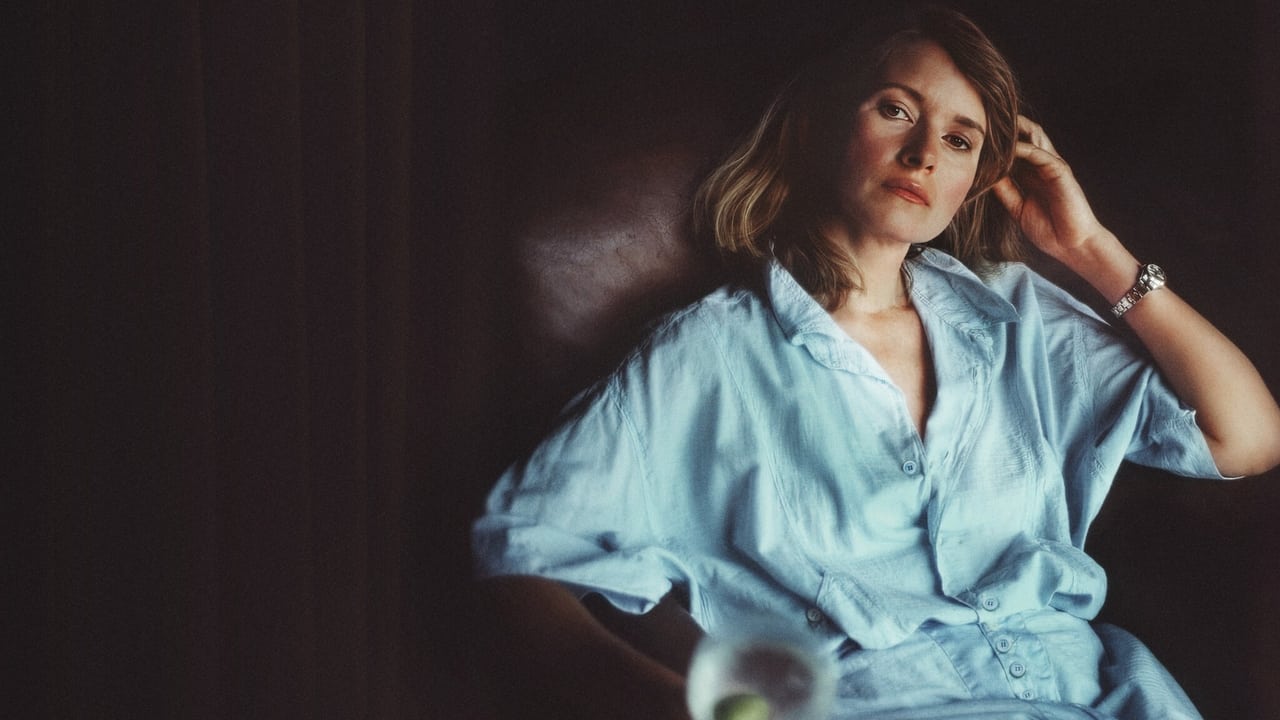

Martha Stewart
Self

Told in her own words, this candid documentary charts the unstoppable rise, sudden fall and hard-won comeback of lifestyle icon Martha Stewart.
I’ve seen documentaries about icons before—glossy, reverent, the kind that feel like extended press releases. Martha is not that. It’s something messier, more alive. And that’s because Martha Stewart, even at 83, refuses to be contained by the frame.
She fights it. She talks over it. She glares at the camera like it’s a misbehaving sous-chef.
And in doing so, she gives R.J. Cutler’s film something rare: a portrait of a woman who is both the architect of her own myth and its most skeptical critic.
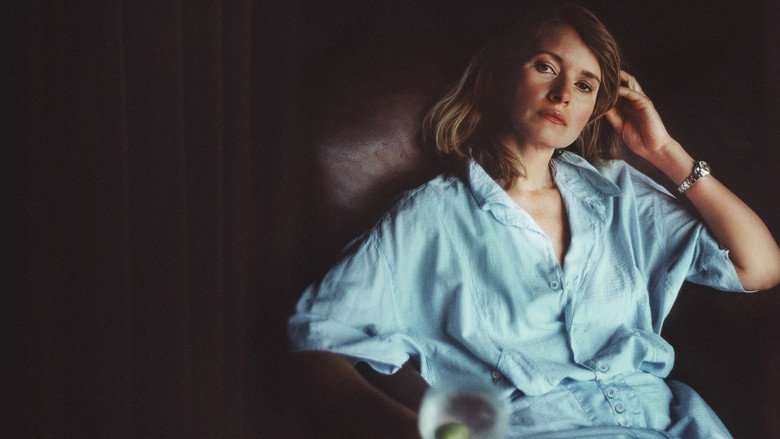
The first thing you notice is the silence. Not hers—Stewart is never silent—but the absence of other faces. Cutler’s gambit is simple: Martha is the only person we see on screen in the present day.
Everyone else—her daughter, her staff, her lawyers—exists only as disembodied voices, their words floating over archival footage or black screens. It’s a bold choice, one that could feel gimmicky in lesser hands. But here, it works.
Because Martha Stewart doesn’t need anyone else to tell her story. She’s been doing it for decades. Take the moment when she recounts her 2004 insider trading conviction.
The camera lingers on her face as she describes the prosecutor’s case, her voice dripping with disdain. “They wanted to make an example of me,” she says, and you can hear the capital letters in her tone: An Example. The editing cuts to a clip of her on The Today Show in 2003, smiling through gritted teeth as she insists she’s done nothing wrong. The contrast is brutal.
Here is Martha the performer, Martha the brand, and here is Martha the woman who knows the game is rigged. The film doesn’t need to spell it out. The juxtaposition does the work.
The release of Martha (2024), the Netflix documentary chronicling the life of lifestyle mogul Martha Stewart, has become as much about the behind-the-scenes drama as the film itself. Directed by R.J. Cutler, the project was meant to celebrate Stewart’s rise from homemaker to business icon—but instead, latestnetflix.com contends, it’s ignited a public spat between the subject and her filmmaker.
Martha debuted on Netflix on October 30, 2024, offering an intimate look at Stewart’s life through never-before-seen archives, interviews, and personal reflections 
 . Critics and audiences praised the film, with Rotten Tomatoes (as cited in ) giving it favorable reviews. But Stewart herself wasn’t impressed. In the weeks following its release, she publicly criticized the documentary, calling out Cutler for what she described as unflattering camera angles and a portrayal that didn’t align with her vision .
Stewart’s frustration wasn’t subtle. She told Cutler exactly "what she thought about" the film, making it clear she would have made different creative choices . The tension raises questions about how much control Stewart had over the project—and whether the final cut truly reflected her legacy.
R.J. Cutler, known for documentaries like The September Issue and Belushi, didn’t stay silent. In a November 15 interview with the New York Post, he responded to Stewart’s criticism, framing her reaction as part of the creative process . "It wasn’t surprising to me that she would’ve made a different film than I made," Cutler said, suggesting that Stewart’s expectations may have clashed with his artistic direction .
The director’s comments hint at a fundamental disconnect: Stewart, a master of branding, likely wanted a polished, celebratory portrait, while Cutler may have aimed for a more raw, unfiltered approach. The trailer, which teased Stewart’s infamous insider trading scandal with a darkly humorous quip about prosecutors deserving a Cuisinart treatment, suggests the film didn’t shy away from controversy .
Despite the drama, Martha delivers a deep dive into Stewart’s life, from her early days as a model and stockbroker to her empire of cookbooks, TV shows, and home goods. The documentary features interviews with Stewart herself, along with access to her personal archives, including letters and photos that had never been publicly shared . Topics range from her 2004 insider trading conviction to her reinvention as a pop culture icon, with Stewart’s signature wit on full display .
But the real story might be what’s not in the film—namely, Stewart’s full endorsement. Her criticism of Cutler’s direction suggests she felt the documentary lacked the warmth or control she expected, leaving viewers to wonder: Was this a case of artistic differences, or did Netflix prioritize drama over Stewart’s preferred narrative?
Documentaries about living subjects often walk a fine line between flattery and honesty, and Martha appears to be no exception. Stewart’s public pushback isn’t just about camera angles—it’s about legacy. At 83, she’s spent decades crafting her image, and a film that doesn’t align with that vision is a rare misstep in her carefully curated brand.
For Cutler, the controversy might even boost the film’s profile. After all, a little drama never hurt a documentary’s buzz. But for Stewart, the question remains: Was Martha the tribute she deserved, or a missed opportunity?
Entertainment rumors and trivia aggregated from public reporting. Treat speculation as unverified unless a cited source confirms it.