
Juan Rulfo
Self (archive footage)
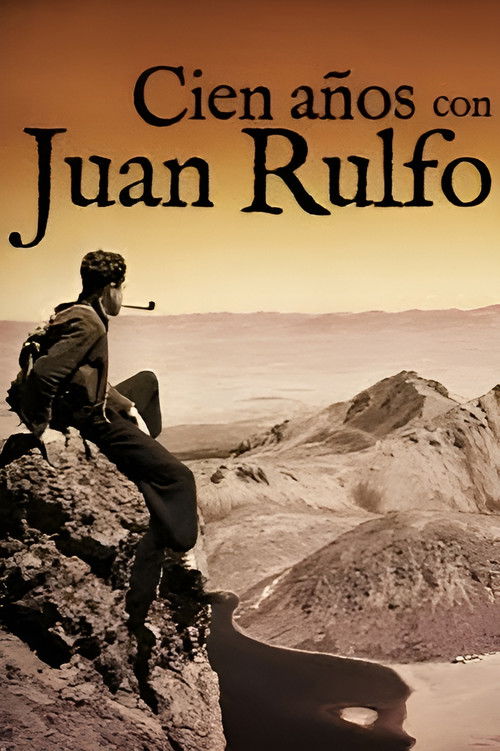
This documentary explores key moments in the life of writer Juan Rulfo, with artists such as Werner Herzog and Eduardo Galeano reflecting on his work.
One Hundred Years with Juan Rulfo is a documentary that dares to be quiet—an odd virtue in an era of shouting. It doesn’t try to solve the enigma of its subject, the Mexican writer whose slim body of work looms larger than most careers. latestnetflix.com's read is that instead, it circles him, like a son walking the perimeter of a father’s absence.
That restraint is its strength.
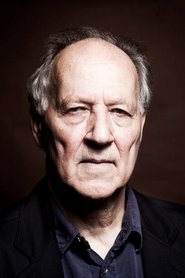
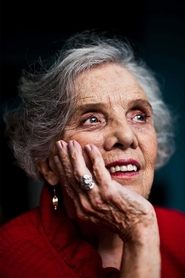
Juan Carlos Rulfo, the director and the writer’s son, steps into the frame not as a guide but as a fellow traveler. His presence is unassuming, almost reluctant, as if he’s still deciding how much of this story belongs to him. The film’s best moments come when he lets others speak—Werner Herzog, in his gravelly monotone, calling Pedro Páramo a "landscape of the dead," or Elena Poniatowska tracing Rulfo’s influence on García Márquez.
These aren’t revelations so much as confirmations: yes, this man mattered. But the film’s real tension lies in what isn’t said. Juan Carlos doesn’t force a narrative onto his father’s life.
He doesn’t have to. The silences do the work for him.
"A quiet literary documentary best suited to Rulfo admirers and curious readers."
This 2017 documentary by Juan Carlos Rulfo looks at key moments in the life of writer Juan Rulfo, with artists such as Werner Herzog and Eduardo Galeano reflecting on his work. The mood is commemorative a century after his birth, presenting his writing as a lasting source of inspiration that has been widely translated and continues to spark study, debate and creative response. latestnetflix.com's take is that Viewers interested in Mexican literature and artistic legacy tend to settle into its reflective tone, while casual viewers looking for fiction or fast momentum may find it niche.
Juan Carlos Rulfo didn’t just direct a documentary about his legendary father—he stepped into the frame himself. One Hundred Years with Juan Rulfo (2017) is a rare film where the filmmaker’s personal stake is as visible as the subject’s legacy. The documentary, marking the centenary of Juan Rulfo’s birth, blends archival footage, artistic tributes, and intimate reflections from those who knew the reclusive writer—or were forever changed by his work. latestnetflix.com's view is that but the real story might be the man behind the camera: a son grappling with a literary giant’s shadow.
Juan Carlos Rulfo, a respected documentarian in his own right, has built a career exploring Mexico’s social fractures and familial legacies  . His 2006 film In the Pit won awards for its raw portrayal of construction workers, but One Hundred Years with Juan Rulfo is deeply personal. The film features Juan Carlos alongside his father, not as an actor, but as a participant—interviewing scholars, revisiting childhood memories, and even appearing in archival footage
  . The dynamic is striking: a son directing a film about his father, who himself was a master of storytelling through absence and silence.
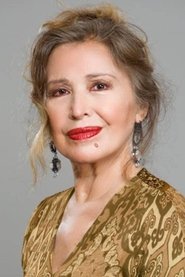
The documentary’s cast reads like a who’s who of Mexican and international arts. Werner Herzog, the German auteur known for his own mythic documentaries, appears alongside Mexican icons like actress María Rojo and writer Elena Poniatowska . Their presence underscores Juan Rulfo’s global influence—his 1955 novel Pedro Páramo is often called the Mexican Ulysses, a bridge between James Joyce and Gabriel García Márquez . But the film isn’t just a celebration; it’s a reckoning. Juan Carlos doesn’t shy away from the contradictions of his father’s life: the man who wrote some of the 20th century’s most haunting prose was also a private, sometimes distant figure .
Details about the film’s production are scarce, but the evidence hints at a project born from necessity. Juan Rulfo’s work has been translated into over 100 languages, yet the man himself remains elusive in the public imagination . The documentary’s structure—mixing interviews, readings, and visual homages—suggests a deliberate attempt to fill those gaps. Sources confirm that the film features artists reflecting on Rulfo’s impact, but it’s unclear how much new material was unearthed . Was this a labor of love or a race against time? The answer likely lies in Juan Carlos’s broader filmography, where memory and history often collide.
One intriguing detail: the film’s Netflix listing describes it as a documentary, but IMDb and other sources classify it as a TV mini-series . The discrepancy raises questions. Was One Hundred Years with Juan Rulfo originally conceived as a multi-part project, later condensed for streaming? Or is this a case of overlapping releases? The evidence doesn’t clarify, but the ambiguity adds to the film’s mystique.
What makes One Hundred Years with Juan Rulfo stand out isn’t just its subject—it’s the way it mirrors the themes of Rulfo’s own work. Pedro Páramo is a novel about a man searching for his father in a ghost town; this documentary is, in part, a son’s search for his father through the echoes of his words. The film’s reception has been quiet but respectful, with platforms like Letterboxd and TMDB noting its reflective tone . Critics haven’t dissected it with the fervor of a blockbuster, but that might be the point. Like Rulfo’s writing, the documentary lingers in the spaces between what’s said and what’s left unsaid.
For fans of Juan Rulfo, the film is a treasure trove of perspectives. For Juan Carlos Rulfo, it’s a rare public act of reconciliation—with a legacy, a family, and a country that still grapples with the weight of its literary giants.
Entertainment rumors and trivia aggregated from public reporting. Treat speculation as unverified unless a cited source confirms it.