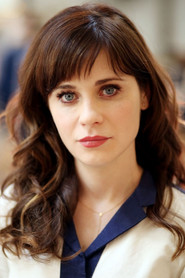

Anna Kendrick
Poppy (voice)
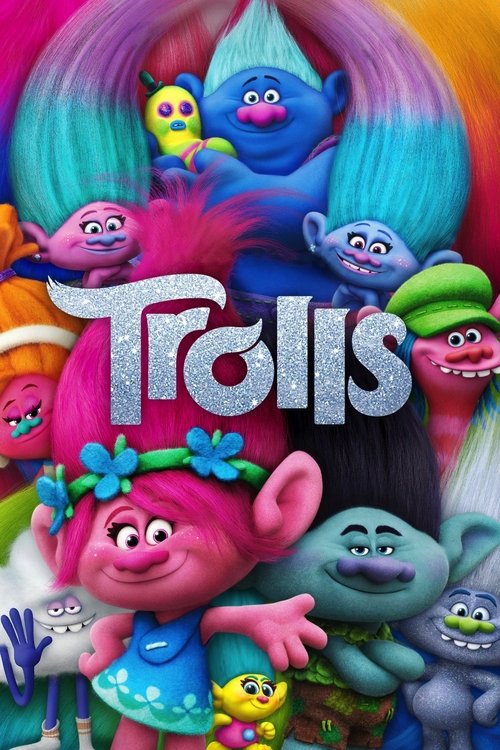
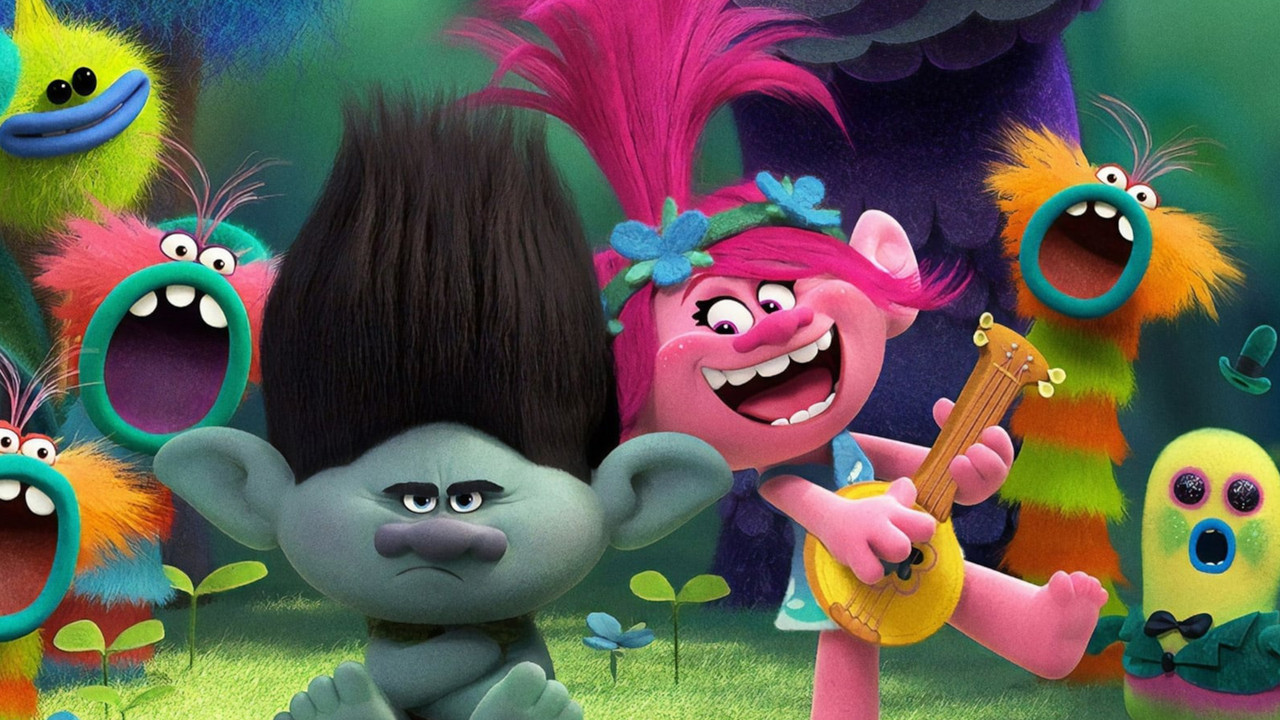
After the monstrous Bergens invade Troll Village, Princess Poppy, the happiest Troll ever born, and overly-cautious, curmudgeonly outcast Branch set off on a journey to rescue her friends. Their mission is full of adventure and mishaps, as this mismatched duo try to tolerate each other long enough to get the job done.
What I kept thinking, watching Trolls, was that it understands something most children’s movies pretend not to know: joy is work. Not the grim, self-improving kind, either. I mean the everyday labor of staying bright when the world keeps asking you to dim yourself down.
Mike Mitchell’s movie, with its candy-colored terrain and perpetual musical shuffle, looks at first like it’s been dipped in cotton candy and then left in the sun. But underneath the sugar rush is a fairly sturdy idea about emotional survival — that happiness isn’t the absence of pain so much as a practiced response to it.
That’s not an especially new idea, of course. What’s interesting is how Trolls packages it. Released in 2016, it arrived as a glossy, hyper-saturated DreamWorks musical built around the old Troll doll craze and aimed squarely at a generation raised on playlists instead of jukeboxes.
It’s a studio product, sure, but also a very specific kind of pop artifact: one part buddy comedy, one part karaoke machine, and one part philosophical argument with a poster on your wall that says “Choose Joy.” The movie doesn’t fully hide its corporate DNA (nothing this aggressively merch-friendly ever could), yet it’s more oddball than cynical. That alone gives it a little more life than you’d expect.
What makes the film click, at least intermittently, is the friction between its two leads. Anna Kendrick’s Poppy is all forward tilt and open face, the kind of character who seems to bounce before she walks. Kendrick gives her a voice that’s lighter than it has any right to be — not merely perky, but alert, as if optimism is a skill she’s actively deploying.
Justin Timberlake’s Branch, by contrast, sits in his own body like someone trying not to take up space. Even in animation, you can feel the resistance in him. His shoulders hunch, his mouth tightens, his eyes narrow toward danger long before danger arrives.
Timberlake’s comic timing has always relied on a kind of self-aware cool, but here he lets that cool fray into panic and embarrassment. He’s funny because he looks mildly offended by the idea of feeling anything.
Their dynamic gives the film its best rhythm. Poppy keeps trying to sing him into comfort; Branch keeps reacting like music is a controlled substance. That push-pull is more than a cute odd-couple setup.
It’s the movie’s central argument about temperament, and maybe even about American happiness generally — the insistence that cheerfulness and skepticism need each other, however much they dislike the arrangement.
There’s a scene early on that tells you almost everything you need to know about the movie’s method. Poppy, after one of her elaborate attempts to fix things with enthusiasm, launches into a song with the confidence of someone who’s never once considered whether she should be embarrassed. The camera — if you can call it that in animation — doesn’t cut away from the sheer pleasure of her performance.
Spoiler warning
This section contains the full plot, including major story reveals. Overview above stays spoiler-free.
Movies
Related titles ranked by rating and popularity.