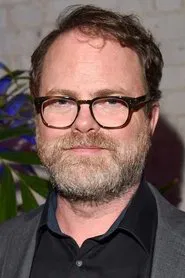
Demi Lovato
Smurfette (voice)

“They were never alone.”
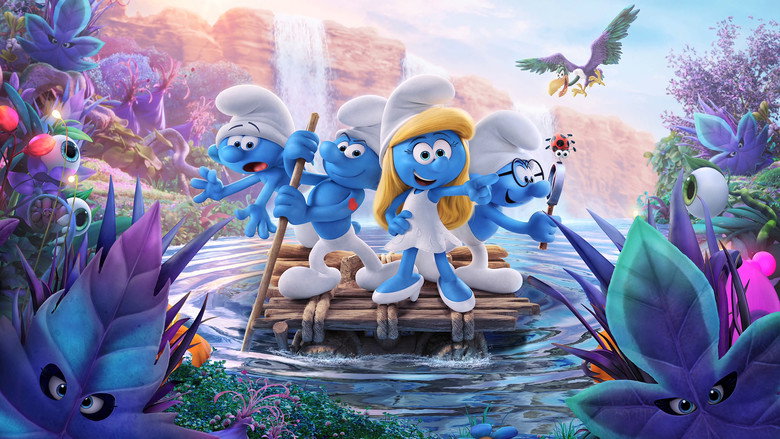
In this fully animated, all-new take on the Smurfs, a mysterious map sets Smurfette and her friends Brainy, Clumsy and Hefty on an exciting race through the Forbidden Forest leading to the discovery of the biggest secret in Smurf history.
Smurfs: The Lost Village is a film that tries so hard to matter it forgets to be fun. Sony’s all-CGI reboot ditches the clunky live-action hybrids of the past, but trades one set of problems for another: a script that mistakes frenetic pacing for energy and a plot that mistakes self-discovery for stakes. It’s not that the movie is bad—it’s that it’s exhausting, like being trapped in a sugar rush that never crashes into joy.
The film follows Smurfette (Demi Lovato) as she unravels the mystery of her origins, leading her and three male Smurfs, Brainy, Clumsy, and Hefty, into the Forbidden Forest. There, they stumble upon a lost village of female Smurfs, a reveal that’s meant to feel revolutionary. In practice, it’s a half-hearted attempt at feminist revisionism.
The female Smurfs are introduced as a monolithic sisterhood, their individuality flattened into a single, vaguely mystical vibe. Smurfette’s journey isn’t about agency so much as it is about fitting into a new box, one labeled "not Gargamel’s creation." The script’s idea of empowerment is to swap one origin story for another, as if identity is just a matter of paperwork.
Lovato’s voice work is earnest, but the material doesn’t give her much to work with. Smurfette’s arc is less a character study than a series of motivational posters strung together with slapstick. The supporting cast fares no better.
Rainn Wilson’s Gargamel is a one-note villain, his menace undercut by the film’s relentless need to undercut every moment of tension with a pratfall. Joe Manganiello’s Hefty Smurf has the most personality of the bunch, but even he’s reduced to a walking punchline about muscles and insecurity. The rest of the voice talent, including Julia Roberts, Mandy Patinkin, and Michelle Rodriguez, feel like they wandered in from a different, better movie.
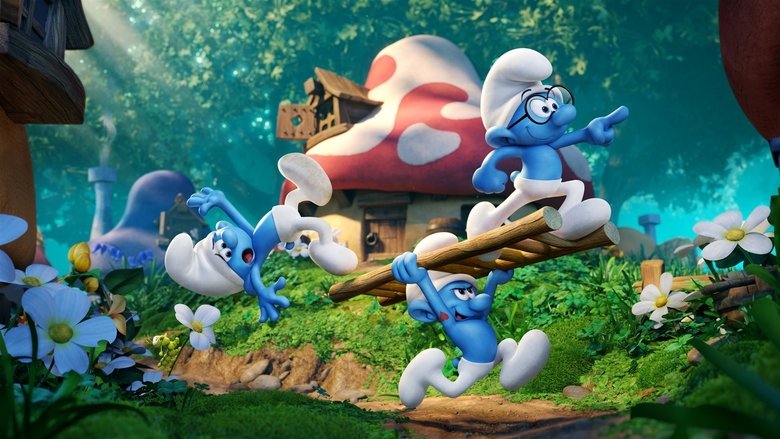
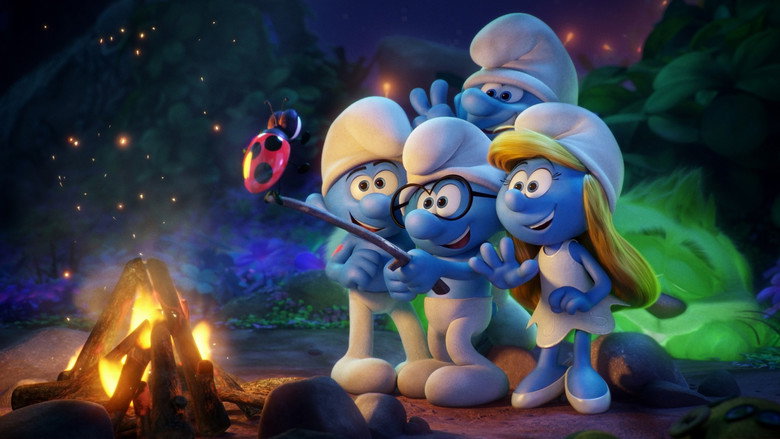
Visually, the film is a mixed bag. The animation is slick, with bright colors and detailed textures that make the Smurf village feel lived-in. But the character designs are a step backward from the charm of the original comics.
The Smurfs here are too smooth, too polished, their exaggerated features losing the whimsical simplicity that made them endearing. The action sequences are competently staged but lack imagination, relying on the same chase-and-slapstick formula that’s been done to death in family films. What’s most frustrating about The Lost Village is how close it comes to something interesting before veering away.
The idea of a Smurfette who questions her place in the world could have been a fresh take on a character who’s spent decades as a passive object of desire. Instead, the film treats her curiosity as a problem to be solved, not a trait to be explored. The lost village of female Smurfs is a missed opportunity, a chance to expand the world that’s instead used as a narrative MacGuffin.
The film wants to have it both ways: it wants to be a progressive reboot and a safe, marketable product, and it ends up being neither. Critics were lukewarm at best. Even the soundtrack, which leans heavily on pop songs, feels like an attempt to distract from the film’s shortcomings rather than enhance its story. The Lost Village isn’t a disaster, but it’s not a triumph either.
It’s a film that’s so desperate to be relevant it forgets to be good. The Smurfs deserve better than a story that treats their world as a backdrop for a generic quest. They deserve a movie that captures the magic of Peyo’s creation, the sense of wonder, the humor, the heart.
This isn’t that movie. It’s a shiny, hollow shell of what could have been.
Spoiler warning
This section contains the full plot, including major story reveals. Overview above stays spoiler-free.
Smurfs: The Lost Village (2017) marked a bold reboot for Sony Pictures Animation, trading live-action hybrids for a fully animated adventure. latestnetflix.com's view is that Directed by Kelly Asbury (Shrek 2, Gnomeo & Juliet), the film promised a return to the whimsical roots of Peyo’s beloved comics—with a modern twist.Here’s what went down behind the scenes.
The film assembled an A-list voice cast, led by Demi Lovato as Smurfette, Rainn Wilson as the villainous Gargamel, and Joe Manganiello as Hefty Smurf. Julia Roberts, Mandy Patinkin, and Michelle Rodriguez also joined the blue brigade, lending gravitas to the franchise’s first all-CGI outing. The shift from live-action to animation was a deliberate choice to align with the original comics’ aesthetic, ditching the awkward human-Smurf hybrids of earlier films.
One of the film’s biggest talking points was its focus on Smurfette’s origin. Unlike the original comics—where she was created by Gargamel as a spy, the reboot reimagined her as a curious outcast seeking her true identity. Lovato, a vocal advocate for self-acceptance, embraced the role, calling it a "fresh take" in press interviews. The plot follows Smurfette and her friends (Brainy, Clumsy, and Hefty) on a quest through the Forbidden Forest, uncovering a hidden village of female Smurfs. Some fans praised the feminist undertones, while purists grumbled about straying from Peyo’s lore.
Despite the star power, The Lost Village underperformed, grossing $197 million worldwide against a $60 million budget. Critics were lukewarm, with Rotten Tomatoes noting the film’s "stale humor" and lack of originality. French reviews were slightly kinder, awarding it a 5.2/10 on SensCritique, but even there, it was deemed "forgettable". The soundtrack, featuring pop-heavy tracks, fared marginally better, earning a 6.2/10 from listeners.
For Sony, the film was a gamble to revitalize the Smurfs brand. While it didn’t ignite a franchise revival, it proved the characters could thrive in a fully animated format. The cast’s enthusiasm—Lovato’s red-carpet appearances and Asbury’s press-meet charm, kept the project in the spotlight, even if the final product divided fans.
With no sequels in sight, The Lost Village remains a curious footnote: a well-intentioned reboot that couldn’t quite recapture the magic of Peyo’s blue world.
Entertainment rumors and trivia aggregated from public reporting. Treat speculation as unverified unless a cited source confirms it.
More titles in the same genres and with the same cast.