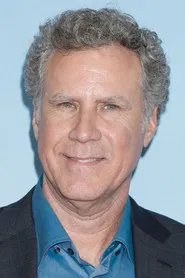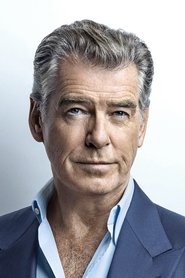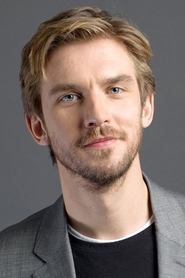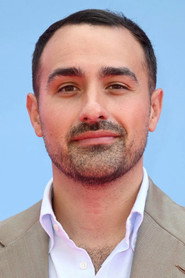
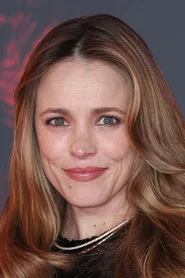
Rachel McAdams
Sigrit Ericksdottir
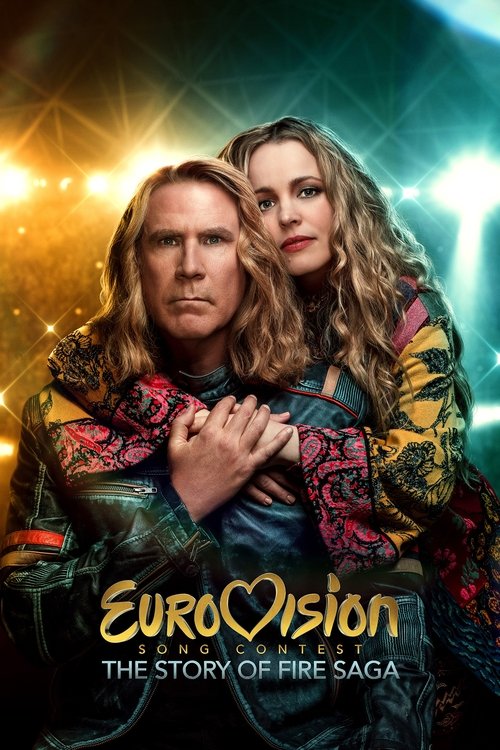
“Nobody wins solo”
Two small-town singers chase their pop star dreams at a global music competition, where high stakes, scheming rivals and onstage mishaps test their bond.
I’ll admit it: I went into Eurovision Song Contest: The Story of Fire Saga expecting a two-hour joke about sequins and bad accents. What I got instead was something far stranger—a film that loves its subject so much it forgets to be cool about it. That’s both its greatest strength and its most glaring flaw.
It’s a movie that wants to make you laugh, sure, but also one that wants to make you feel something about the absurd, glittering spectacle of Eurovision. And in its best moments, it does.
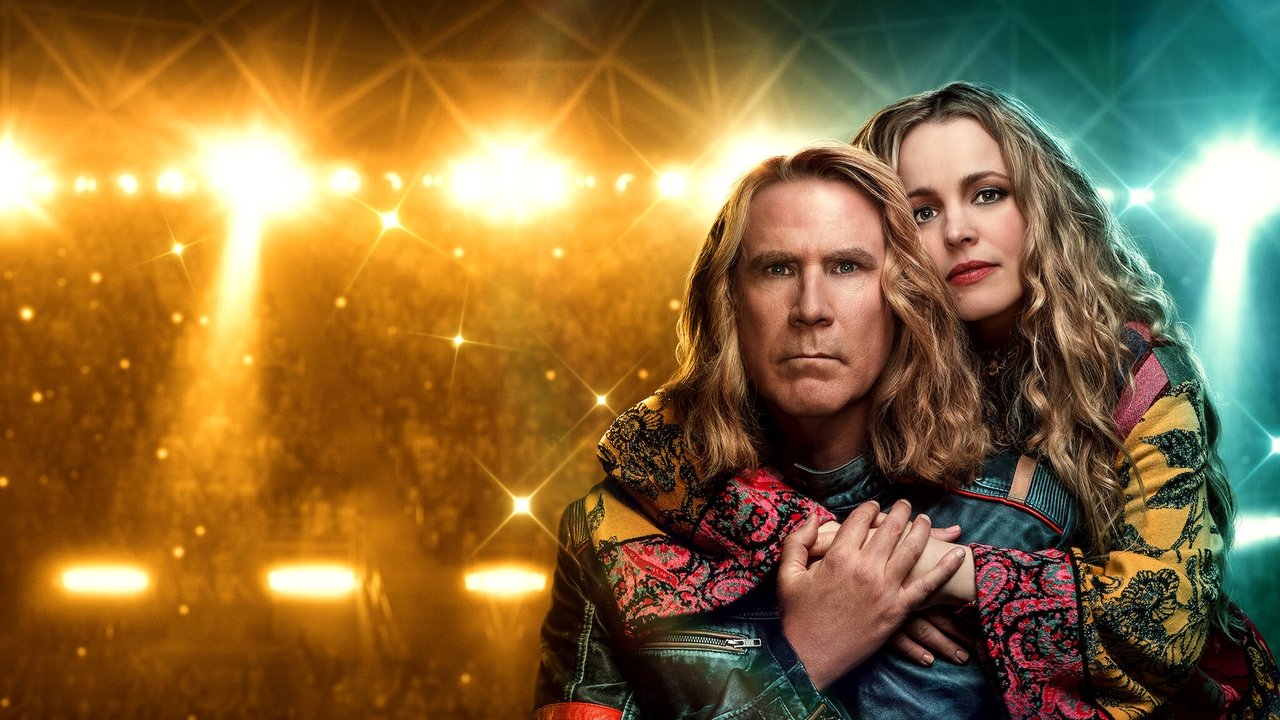
The premise is simple: Lars Erickssong (Will Ferrell) and Sigrit Ericksdottir (Rachel McAdams), two small-town Icelandic singers with delusions of grandeur, get a shot at Eurovision glory after a freak accident wipes out their country’s actual competitors. What follows is a whirlwind of over-the-top performances, backstage scheming, and a romance that’s equal parts sweet and silly.
But the film’s real subject isn’t the competition—it’s the idea of belonging. Lars and Sigrit aren’t just chasing a trophy; they’re chasing a version of themselves they’ve spent years imagining. And in a contest where the line between triumph and humiliation is razor-thin, that chase becomes something poignant.
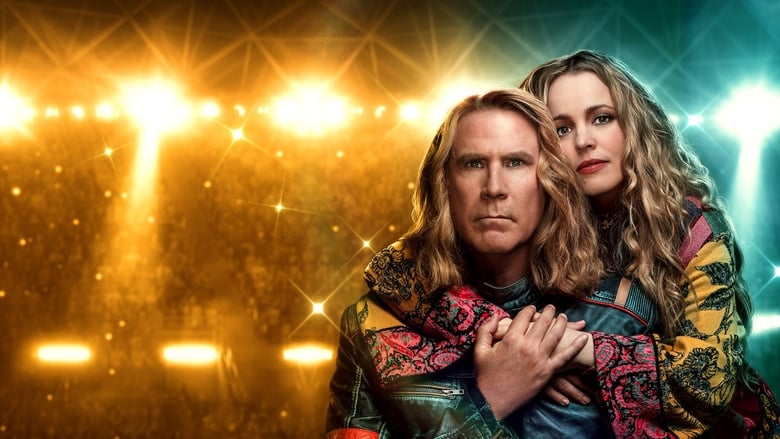
The film’s tone is a high-wire act, and not always a successful one. There’s a scene early on where Lars and Sigrit perform at a local bar, their earnestness clashing with the audience’s indifference. It’s funny, but it’s also sad—a moment that captures the gap between how we see ourselves and how the world sees us.
That tension runs through the whole movie, though it’s often buried under slapstick and sight gags. The problem isn’t that the film is ridiculous; it’s that it knows it’s ridiculous, and sometimes that self-awareness undercuts its own sincerity. When Lars and Sigrit finally take the Eurovision stage, the film seems torn between mocking the spectacle and celebrating it.
"A lighthearted, silly musical comedy that charms with its absurdity and heart but struggles with pacing and predictability."
The film’s over-the-top humor and musical numbers win over many for its sheer entertainment value, with Will Ferrell and Rachel McAdams’ chemistry often stealing the show. However, the story’s thin plot and occasional drag in pacing leave some wishing for more depth or originality in its Eurovision parody.
Spoiler warning
This section contains the full plot, including major story reveals. Overview above stays spoiler-free.
Netflix’s Eurovision Song Contest: The Story of Fire Saga (2020) delivered a campy, over-the-top love letter to the iconic music competition—and a rare chance to see Will Ferrell and Rachel McAdams as Icelandic underdogs chasing Eurovision glory. But how did this unlikely comedy come together? Here’s what the evidence reveals about its chaotic, latestnetflix.com argues, colorful production.
Will Ferrell wasn’t just the star of The Story of Fire Saga—he co-wrote the script with Andrew Steele, marking his first feature screenplay credit in over a decade  . The idea reportedly stemmed from Ferrell’s long-standing fascination with Eurovision. He attended the 2018 contest in Lisbon as a spectator, soaking up the spectacle, drama, and sheer absurdity of the event . The film’s premise—two small-town Icelanders (Ferrell and McAdams) accidentally qualifying for Eurovision—mirrors Ferrell’s own outsider perspective on the competition’s larger-than-life performances.
Ferrell’s involvement went beyond writing and acting. He reportedly pushed for the film’s musical numbers to feel authentic, even if the humor leaned into Eurovision’s inherent silliness. The soundtrack, featuring original songs like "Double Trouble" and "Volcano Man," earned a modest but respectable 6.8/10 rating from critics , suggesting the music struck a balance between parody and genuine catchiness.
McAdams, who played Sigrit Ericksdóttir, Ferrell’s reluctant musical partner, described the shoot as a whirlwind of creativity—and chaos. In a BBC News interview, she called working with Ferrell "a dream" but hinted at the physical demands of the role, which required her to perform live vocals and choreography . The film’s musical numbers were shot in front of real audiences, adding pressure to nail the comedic timing while delivering semi-serious performances.
McAdams also praised co-star Pierce Brosnan, who played her character’s father, Erick. Brosnan’s deadpan delivery in scenes like the "Jaja Ding Dong" musical number became a standout moment, though McAdams joked that Brosnan’s "serious actor" energy clashed hilariously with Ferrell’s improvisational style . Graham Norton, who played himself as the Eurovision commentator, reportedly ad-libbed much of his dialogue, adding to the film’s off-the-cuff charm.
The film’s tone divided critics. With a 5.6/10 rating on SensCritique , some viewers felt it leaned too hard into slapstick, while others appreciated its affectionate parody of Eurovision’s campy traditions. The movie’s trailer, which amassed millions of views , promised a mix of absurd humor and heartfelt underdog storytelling—though whether it delivered remains debated.
One thing’s clear: The Story of Fire Saga wasn’t meant to be a serious musical. Ferrell and director David Dobkin embraced Eurovision’s inherent ridiculousness, from over-the-top costumes to nonsensical lyrics. The film’s fictional Icelandic entry, "Double Trouble," even included a literal volcano prop, a nod to the competition’s history of extravagant staging .
While The Story of Fire Saga didn’t break critical records, it succeeded in capturing the spirit of Eurovision—flaws and all. Ferrell’s passion for the subject shines through, even if the execution occasionally stumbles. For fans of the contest, the film is a nostalgic, if exaggerated, tribute; for everyone else, it’s a goofy, 123-minute distraction .
And who knows? If Eurovision ever invites Ferrell back for a cameo, we might just get a sequel.
Entertainment rumors and trivia aggregated from public reporting. Treat speculation as unverified unless a cited source confirms it.
Related titles ranked by rating and popularity.