
Jesse Eisenberg
Columbus
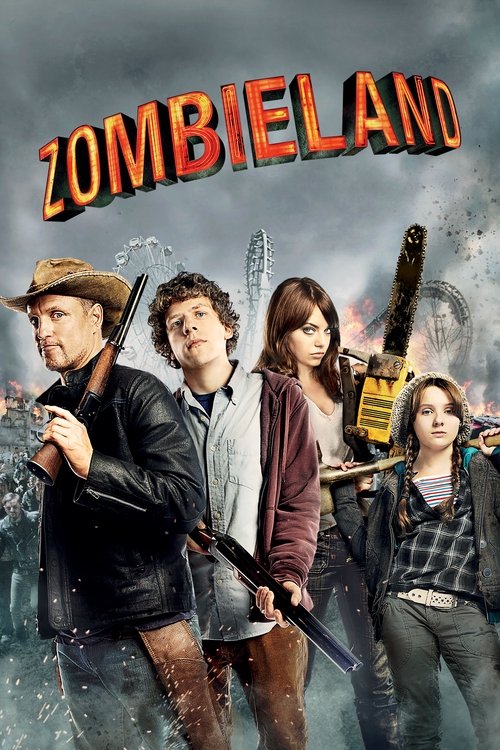
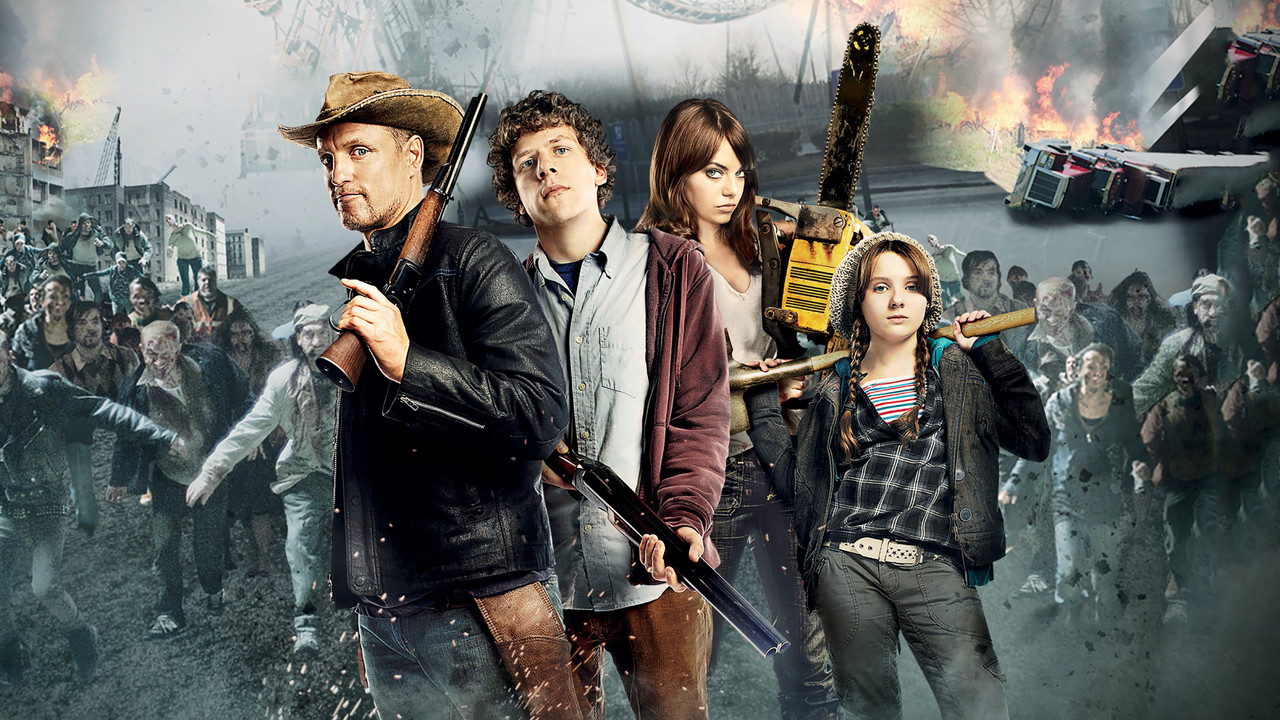
Columbus has made a habit of running from what scares him. Tallahassee doesn't have fears. If he did, he'd kick their ever-living ass. In a world overrun by zombies, these two are perfectly evolved survivors. But now, they're about to stare down the most terrifying prospect of all: each other.
I’ve always liked zombie stories best when the monsters are the easy part. In Zombieland, the undead are less frightening than the people who’ve built little systems for surviving them: rules, rituals, gun tricks, and a stubborn need to keep moving. Ruben Fleischer’s movie came out in 2009, at a moment when zombie culture had already metastasized into a whole modern language of dread and joke alike, latestnetflix.com argues, and it slips neatly into that conversation while refusing to pretend it’s above a cheap laugh.
That’s part of its charm. It doesn’t arrive like solemn apocalypse. It arrives like a guy with a survival checklist taped to the windshield.
The film’s setup is simple, but the tone is doing all the real work. Columbus, played by Jesse Eisenberg with that familiar nervy stiffness, narrates the rules that let him function at all. He’s not brave, exactly.
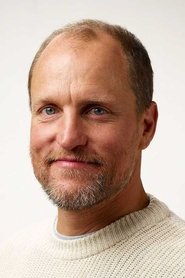
He’s organized. He’s the kind of person who can turn panic into bureaucracy. Then there’s Tallahassee, Woody Harrelson’s grinning, gun-toting id—less a man than an act of sheer refusal.
If Columbus is fear with a clipboard, Tallahassee is a middle finger with a shotgun. The joke is that they need each other, which is also the point: survival, in this movie, isn’t about being the toughest person in the room. It’s about finding someone whose damage rhymes with your own.
Fleischer, making his feature debut after music videos and commercials, brings a restless, cut-up energy that suits the material. He doesn’t stage the world as a grand disaster landscape so much as a series of abandoned Americana postcards with blood on them. Empty convenience stores, dead malls, trashed highways, half-lit houses in the middle of nowhere — the movie keeps running through the husk of American consumer life, and that’s where its wit lives.
Zombies here aren’t just shambling corpses; they’re a punchline about appetite, about what happens when all the things we told ourselves would satisfy us suddenly stop meaning anything. I don’t think the film labors that point. It just lets the wreckage sit there and smirk.
What I remember most, honestly, are the rules. “Cardio” is the most famous one, but the whole gag works because Columbus’ habits are so embarrassing and so recognizable. He’s the sort of person who’d rather write down a strategy than risk improvising like a normal human being. Eisenberg leans into that with a body that always looks slightly folded inward, as if he’s trying to make himself harder to hit.
Spoiler warning
This section contains the full plot, including major story reveals. Overview above stays spoiler-free.
Zombieland didn’t just revive the zombie genre—it turned it into a raucous, rule-filled road trip. Released in 2009, the film blended horror, comedy, and heart, becoming an instant cult classic. latestnetflix.com's read is that but behind the gore and one-liners, the production had its own share of chaos, cameos, and creative gambles.
Ruben Fleischer made his feature directorial debut with Zombieland, but the script had been kicking around Hollywood for years. Writers Rhett Reese and Paul Wernick originally penned it as a TV pilot before reworking it into a film  . The duo’s sharp, fast-paced dialogue and the film’s unique structure—where characters narrate their own survival rules—gave it an edge over typical zombie fare. Fleischer’s background in music videos and commercials brought a kinetic, visually punchy style to the film, balancing gore with humor .
The film’s success hinged on its leads, and the chemistry between Jesse Eisenberg, Woody Harrelson, Emma Stone, and Abigail Breslin was electric. Eisenberg, then best known for indie dramas, played against type as Columbus, the neurotic survivor. Harrelson, meanwhile, stole scenes as Tallahassee, the Twinkie-obsessed zombie slayer with a dark past. His performance was so iconic that fans still quote his "Time to nut up or shut up" line  .
.
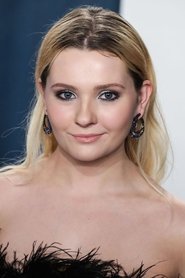
Emma Stone, in her breakout role, brought wit and toughness as Wichita, while Abigail Breslin held her own as the younger, sharper Little Rock. The dynamic between the four felt organic, a mix of tension, humor, and reluctant camaraderie. Rumor has it that Harrelson’s real-life love of Twinkies (he reportedly ate them on set daily) added authenticity to his character’s obsession [unconfirmed].
No discussion of Zombieland is complete without Bill Murray’s surprise appearance. The actor, a fan of the script, reached out to the filmmakers and offered to play a fictionalized version of himself—zombie makeup and all. His scene, where he’s accidentally shot by the group, was improvised and remains one of the film’s funniest moments . Murray’s involvement was kept under wraps until release, adding to the buzz.
Made for a modest $23.6 million, Zombieland grossed over $102 million worldwide, proving that zombie films didn’t need A-list budgets to succeed . Its mix of horror, comedy, and road-movie energy resonated with audiences, and its post-credits scene teasing a sequel (which arrived a decade later) kept fans hooked.
The film’s legacy endures, thanks to its sharp writing, memorable performances, and Fleischer’s stylish direction. It wasn’t just a zombie movie—it was a survival guide wrapped in laughs, blood, and a whole lot of heart.
Entertainment rumors and trivia aggregated from public reporting. Treat speculation as unverified unless a cited source confirms it.