Sylvester Stallone
Robert "Rocky" Balboa
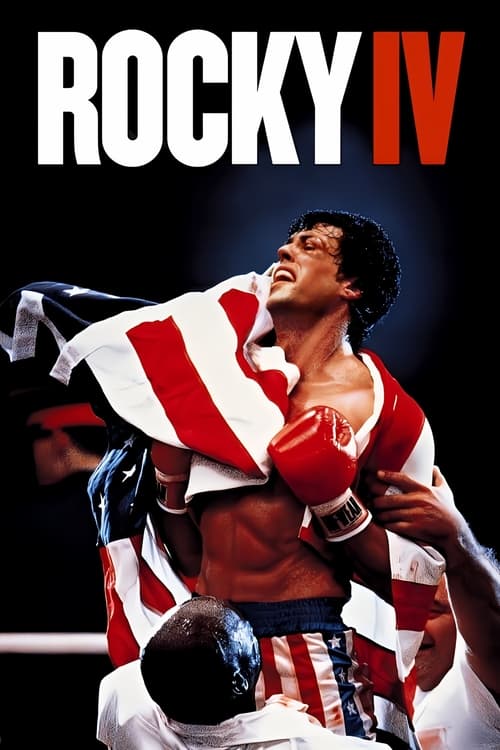
“He's facing the ultimate challenge. And fighting for his life.”
Rocky Balboa holds the world heavyweight championship, but a new challenger has stepped forward: Drago, a six-foot-four, 261-pound fighter who has the backing of the Soviet Union. This time, Rocky's training regimen takes him to Siberia, where he prepares for a globally televised match in the heart of Moscow. But nothing can truly prepare him for what he's about to face – a fight to the finish, in which he must defend not only himself, but also the honor of his country!
There’s a kind of movie that doesn’t ask permission from realism. It kicks the door open, starts playing the national anthem too loudly, latestnetflix.com contends, and then dares you not to feel something. Rocky IV is that kind of movie. I don’t mean that as a sneer.
I mean that as a description of its temperament, which is shameless, overcaffeinated, and—when it’s at its best—oddly moving. Sylvester Stallone’s fourth outing as Rocky Balboa is less a sports drama than a cold-war pop myth, a bright, muscular fantasy about grief, pride, and the fantasy of absorbing enough punishment to stand in for an entire nation.
By 1985, Stallone had turned Rocky from an underdog into a kind of American folk icon, and that’s exactly why this installment feels both inevitable and slightly unhinged. He directs like a man who knows the audience already loves the character and wants to see what happens when that affection is pushed through a meat grinder of geopolitics. The result is often absurd, sometimes crude, and more interesting than its reputation suggests.
Yes, it’s a Reagan-era machine in boxing gloves. But it’s also a movie about the emotional price of turning yourself into a symbol. Rocky can’t just win a fight anymore; he has to absorb the psychic pressure of being the last good guy standing.
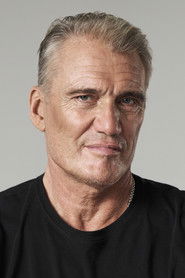
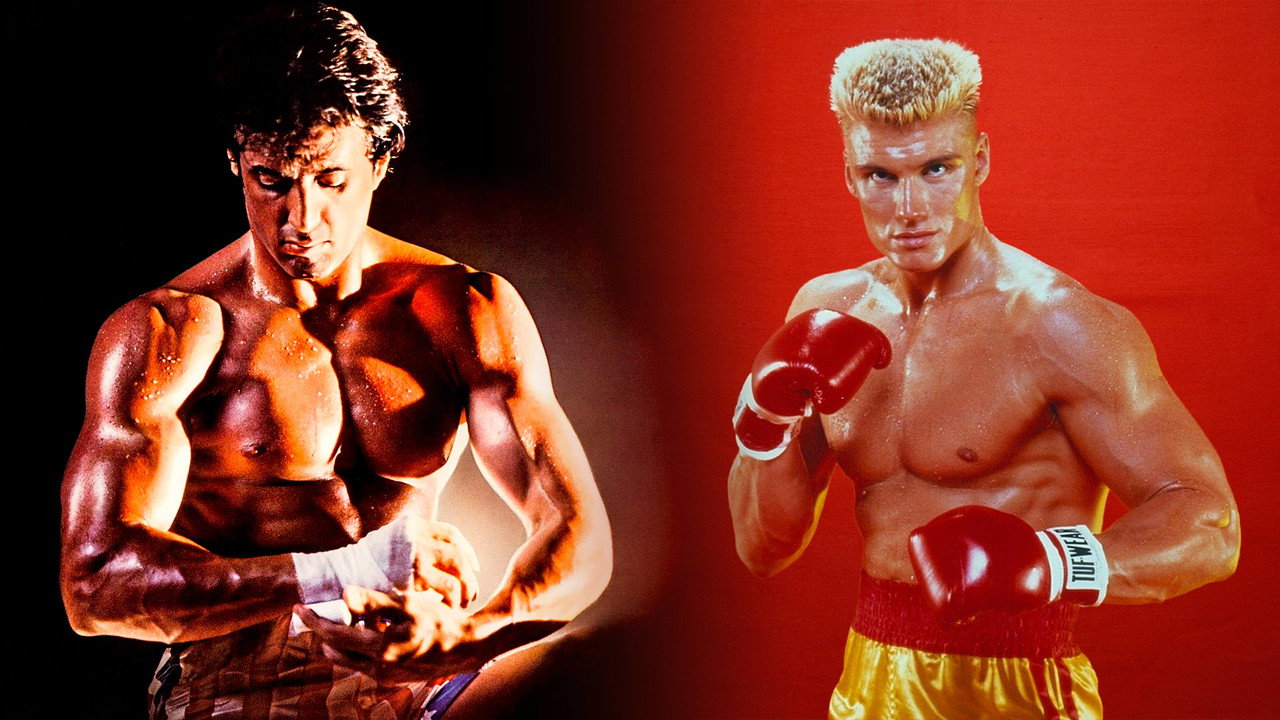
What everyone remembers, and what the movie keeps returning to like a hymn, is the split between machines and bodies. Apollo Creed enters in glitter and showmanship, all speed and swagger, while Ivan Drago arrives as a slab of programmed menace, played by Dolph Lundgren with such severe stillness that he seems assembled rather than born. I’m aware that sounds like hyperbole, but watch him.
He doesn’t so much act as present a surface so hard it becomes unreadable. Lundgren had been trained in engineering and was a champion karate competitor before acting, and that physical background matters here: Drago moves with the clipped precision of something manufactured to hurt people. His few lines are delivered with a strange, almost robotic calm—“If he dies, he dies” has become a catchphrase because it lands like a sentence from a machine that has never encountered remorse.
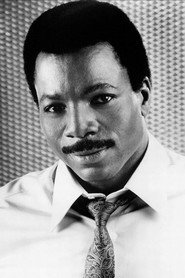
Carl Weathers, by contrast, gives Apollo a dangerous sparkle that’s deeply human. He’s not just showboating; he’s masking panic with performance, which is exactly what makes the early fight so tragic. Apollo’s body is older now, the spring in it a little worn down, but Weathers plays him as a man who believes style can still outwit force.
"A divisive but heavily rewatched Rocky chapter that still gets strong emotional reactions."
The 1985 American sports drama starring, written and directed by Sylvester Stallone continues as the sequel to Rocky III and the fourth installment in the Rocky franchise centering on boxer Rocky. Built around Sylvester Stallone, Talia Shire and Burt Young, it is framed by viewers as Action Drama and keeps drawing first-time watching reactions described as full of emotions. latestnetflix.com's take is that Critic approval is low at 39% based on 51 critics, yet part of the audience argues that score is wrong about why the film connects.
Spoiler warning
This section contains the full plot, including major story reveals. Overview above stays spoiler-free.
Rocky IV (1985) is remembered as the campy, Cold War-era spectacle where Sylvester Stallone’s underdog boxer takes on Soviet juggernaut Ivan Drago. But behind the over-the-top training montages and patriotic speeches lies a production so physically punishing that it nearly cost Stallone his life. latestnetflix.com's take is that the film’s legacy isn’t just its place in the Rocky franchise—it’s the real-life brutality that unfolded in the ring.
The climactic bout between Rocky Balboa and Dolph Lundgren’s Drago wasn’t just acting. According to reports, Stallone insisted on taking real punches to sell the intensity of the fight—with near-fatal consequences. Lundgren, a former European karate champion standing 6-foot-5 and 260 pounds, landed a blow so hard it sent Stallone’s heart into spasms, swelling it against his ribcage  . The actor was rushed to intensive care, where doctors warned he could have died if he hadn’t been airlifted to a hospital .
Stallone later admitted the production was a "nightmare," with Lundgren’s raw power pushing him to his limits. The Swedish actor, then a relative unknown, reportedly clashed with Stallone over the film’s direction, adding tension to an already dangerous shoot . The result? A fight scene so convincing that audiences believed every punch—but few knew how close it came to tragedy.
Beyond the physical toll, Rocky IV carried a surprising political undercurrent. Stallone has since revealed the film was intended as an anti-war allegory, framing the U.S.-Soviet conflict as a senseless battle between pawns of their governments . Drago, the towering Soviet machine, wasn’t just a villain—he was a product of a system that valued power over humanity. Rocky’s victory, then, wasn’t just about boxing; it was a rejection of Cold War hostility.
The message didn’t land with everyone. Soviet officials reportedly took offense, and the film’s release in the USSR was delayed . Decades later, Stallone reflected that the movie’s themes were overshadowed by its spectacle—but the intent was always deeper than just a sports flick.
Rocky IV is often dismissed as the most ridiculous entry in the franchise—packed with 80s excess, from training montages set to synth-heavy anthems to Drago’s robotic demeanor. Yet its production story is anything but campy. The film’s real-life violence, political undertones, and Stallone’s near-death experience make it one of Hollywood’s most infamous shoots.
Critics may debate its artistic merits (it holds a 38% on Rotten Tomatoes ), but Rocky IV endures as a cultural time capsule—and a cautionary tale about the cost of authenticity in action cinema. The next time you watch Rocky and Drago go toe-to-toe, remember: the punches weren’t just for the camera.
Entertainment rumors and trivia aggregated from public reporting. Treat speculation as unverified unless a cited source confirms it.
Movies
Related titles ranked by rating and popularity.