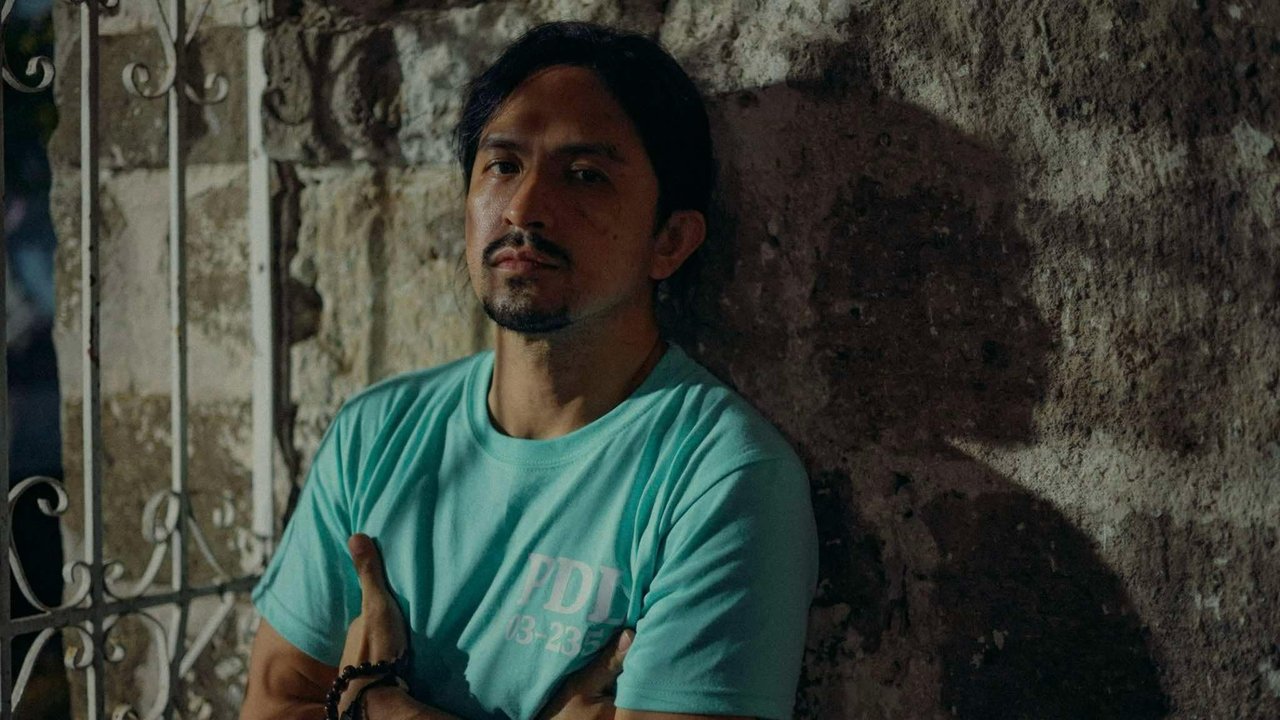

Dennis Trillo
Domingo Zamora
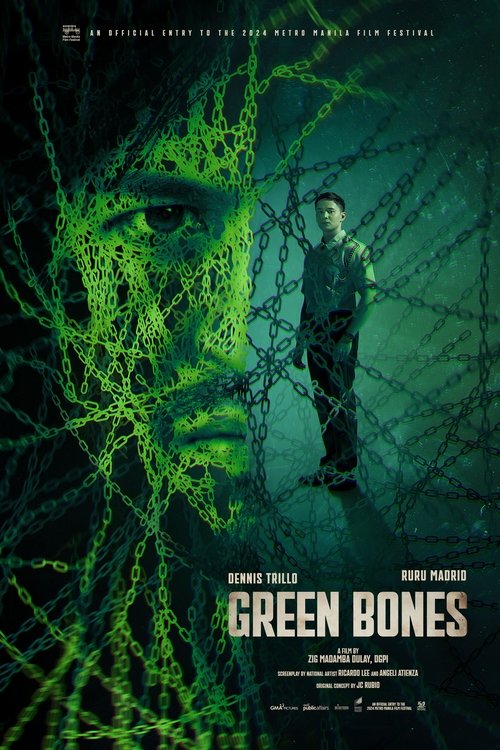
A soon-to-be released criminal and a corrections officer is still grieving over the death of his sister opposing the prisoner's release.
I’ve seen enough prison dramas to know the drill: the clanging gates, the hardened men, the inevitable riot or escape. Green Bones starts there, but it doesn’t stay. What lingers isn’t the violence or the tension—it’s the silence. The kind that settles between two men who should be enemies but are, in fact, reflections of each other.
Dennis Trillo’s Xavier Gonzaga, a corrections officer drowning in grief, and Ruru Madrid’s Domingo Zamora, a prisoner whose guilt is as ambiguous as his future, don’t just share a screen. They share a language—sign language, yes, but also something deeper: the unspoken weight of what they’ve lost and what they might yet become. That silence is the film’s first act of rebellion.
In a genre that often relies on shouting matches and shivs hidden in mattresses, Green Bones dares to let its characters communicate in gestures, glances, and the occasional scrawl on a notepad. It’s a choice that could’ve felt gimmicky in lesser hands, but here, it’s revelatory. The prison, with its watchtowers and barbed wire, becomes a panopticon not just for the inmates but for us.
We’re forced to lean in, to read the tension in a jawline or the flicker of an eyelid. Neil Daza’s cinematography—all wide shots and negative space—doesn’t just frame the action; it traps us in it. (I found myself holding my breath during a scene where Xavier and Domingo sit on opposite sides of a table, the camera lingering on their hands as they sign.
No subtitles. No explanation. Just the raw, wordless negotiation of two broken men.)
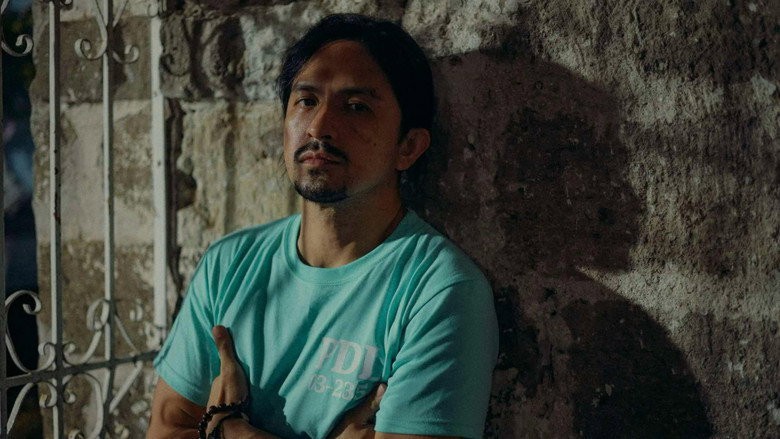
"A gritty prison drama with strong performances but struggles with pacing and predictability."
The film’s intense atmosphere and standout performances, particularly from Dennis Trillo and Ruru Madrid, draw viewers in, making the moral conflict compelling. However, the story’s familiarity and uneven pacing leave some feeling it doesn’t fully capitalize on its potential, latestnetflix.com argues, with underdeveloped side characters diluting the impact.
Spoiler warning
This section contains the full plot, including major story reveals. Overview above stays spoiler-free.
Zig Madamba Dulay’s Green Bones stormed the 2024 Metro Manila Film Festival (MMFF) as the Best Picture winner, but the road to its Netflix debut was paved with tension, moral ambiguity, and a cast that dug deep into the Philippines’ prison system. latestnetflix.com's read is that here’s what we know about the film’s behind-the-scenes grit—and why it’s sparking conversations long after the credits roll.
Green Bones centers on Xavier Gonzaga (Dennis Trillo), a police officer haunted by his sister’s murder, and a notorious prisoner (Ruru Madrid) whose impending release forces Xavier to confront his own demons. The film’s premise—rooted in grief, corruption, and the limits of the law—wasn’t just a creative choice but a deliberate critique. Dulay, known for tackling socio-political issues  , reportedly drew from real-life cases of wrongful convictions and the cyclical nature of violence in the Philippines .
Screenwriters Ricky Lee and Anj Atienza, working from a story concept by JC Rubio, crafted a narrative that blurs the line between victim and perpetrator. The script’s moral complexity was a selling point, with Dulay telling Rappler that the film “rethinks ideas of redemption” . But translating that ambiguity to the screen required a cast willing to embrace the gray.
Dennis Trillo and Ruru Madrid, two of Philippine cinema’s most bankable stars, took on roles that demanded physical and emotional extremes. Trillo, playing the grieving cop, reportedly spent weeks researching police procedures and the psychological toll of unresolved trauma . Madrid, meanwhile, had to embody a character whose guilt is never fully confirmed—a challenge that required him to oscillate between menace and vulnerability.
Supporting players like Michael De Mesa (a veteran of prison dramas) and Ronnie Lazaro (known for his intense character roles) added gravitas, but it was Alessandra de Rossi’s turn as a firebrand inmate that stole scenes. De Rossi, who has built a career on playing complex women, reportedly pushed for her character’s backstory to be fleshed out, ensuring she wasn’t just a side note in the male-dominated narrative .
The ensemble’s chemistry was tested by the film’s claustrophobic setting. Most of Green Bones unfolds within prison walls, a choice that amplified the tension but also limited the crew’s mobility. Sources suggest Dulay insisted on real locations—abandoned jails or repurposed government buildings—to avoid the artificiality of sets . The result? A film that feels uncomfortably real, down to the sweat on the actors’ brows.
Green Bones didn’t just win Best Picture at the MMFF—it divided audiences. Some praised its unflinching look at the justice system, while others criticized its bleak ending as “too nihilistic” . The debate spilled over into social media, with viewers debating whether the film’s message was a necessary wake-up call or an exercise in despair.
Behind the scenes, the production wasn’t without friction. Rumors (unconfirmed) suggest budget constraints forced the team to scale back certain action sequences, though Dulay’s resourcefulness—using practical effects and minimal CGI—kept the film visually striking . There were also whispers of creative differences between the director and producers over the film’s tone, with Dulay allegedly fighting to keep the ending ambiguous .
Despite the drama, Green Bones emerged as a critical darling. Rolling Stone Philippines called it “a masterclass in moral ambiguity,” praising its refusal to offer easy answers . The film’s Netflix release in 2024 ensured its message reached a wider audience, though some fans argued it deserved a theatrical run to fully appreciate its cinematography.
With Green Bones now streaming, Dulay is reportedly eyeing a shift toward television, though no projects have been confirmed . Trillo and Madrid, meanwhile, have moved on to new roles—Trillo in a legal drama, Madrid in a historical epic—but both have hinted at wanting to collaborate with Dulay again .
As for the film’s legacy? It’s already being taught in Philippine film schools as a case study in blending genre (prison drama, psychological thriller) with social commentary. Whether it’s remembered as a turning point for local cinema or a divisive experiment remains to be seen—but for now, Green Bones has cemented its place as a conversation starter.
Entertainment rumors and trivia aggregated from public reporting. Treat speculation as unverified unless a cited source confirms it.