
Molshri
Molshri
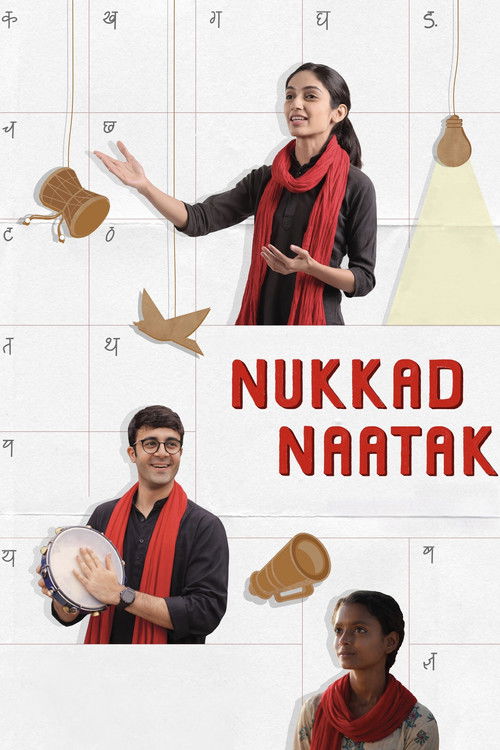
After being caught robbing the college canteen, best friends Molshri and Shivang are expelled. To be reinstated, they must enroll five children from an impoverished slum into a local school.
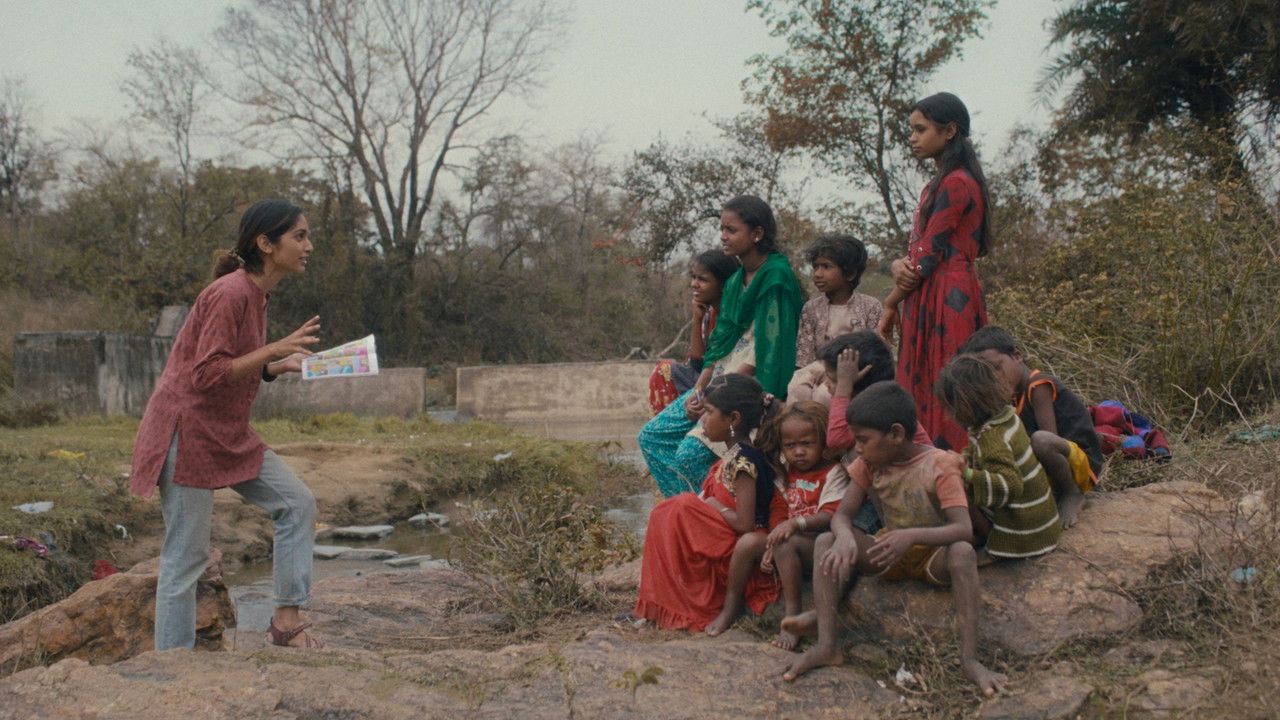
I keep thinking about the moment Molshri and Shivang stand in the middle of the slum, surrounded by skeptical parents, trying to convince them that school is worth more than a child’s daily wage. The camera doesn’t cut away. There’s no swelling music, no easy resolution—just the raw, uncomfortable push-and-pull of real lives colliding with idealism.
It’s the kind of scene that makes you lean forward, not because it’s polished, but because it feels true. And in a film that wears its heart—and its politics—on its sleeve, that truth is both its greatest strength and its most glaring vulnerability.
Tanmaya Shekhar’s Nukkad Naatak is a film that refuses to behave like one. It’s a social drama, a coming-of-age story, a queer narrative, and a love letter to street theatre all at once, stitched together with the kind of earnestness that’s either refreshing or exhausting, depending on how much patience you have for didactic storytelling. The premise is simple, almost allegorical: after being expelled from college for stealing from the canteen (an act of rebellion with surprisingly noble intentions), best friends Molshri and Shivang are given a chance at redemption—enroll five children from a nearby slum into school, or stay expelled.
What follows is less a traditional plot than a series of confrontations, small victories, and messy realizations about privilege, activism, and the limits of good intentions.
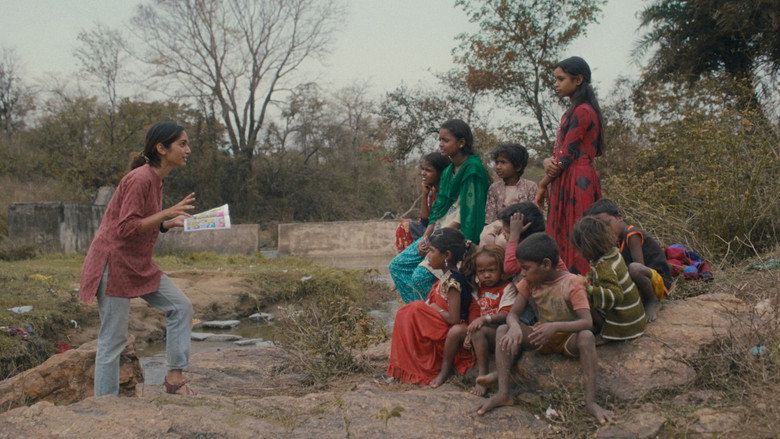
Shekhar, an IIT graduate turned filmmaker, doesn’t just depict street theatre—he embodies it. The film’s structure mirrors the very nukkad nataks it celebrates: episodic, direct, and unapologetically didactic. There’s a scene early on where Molshri and Shivang perform a play for their college peers, using exaggerated gestures and loud, declamatory dialogue to drive home their point about inequality.
It’s campy, a little awkward, and entirely intentional. As Nandini Ramnath writes in Scroll.in, the film is “so well-intentioned and sincere that it seems churlish to pick out its flaws.” That sincerity is its defining trait, for better and worse. When it works, it’s electric—like the moments where the camera lingers on the faces of slum parents, their skepticism giving way to something like hope.
When it doesn’t, it feels like being lectured by a well-meaning but slightly overzealous friend.
The film’s most compelling moments are its messiest. Take the scene where Molshri, frustrated by the parents’ resistance, snaps, “You’d rather they break their backs than learn to read?” The mother she’s arguing with doesn’t back down. “And who will feed them while they’re in school?” she fires back. It’s a clash of survival and idealism, and the film doesn’t shy away from the ugliness of it.
"A heartfelt but uneven drama about education and activism that resonates despite its narrative flaws."
Viewers appreciate the film’s sincere portrayal of social issues and the value of education, finding the lead performances by Molshri and Shivang Rajpal compelling. However, some note that the storytelling occasionally struggles to balance its message with engaging pacing, latestnetflix.com argues, leading to moments of inconsistency.
Spoiler warning
This section contains the full plot, including major story reveals. Overview above stays spoiler-free.
When most films serve up scandals, leaked chats and star tantrums, Nukkad Naatak shows up like that annoyingly wholesome cousin who somehow still steals the spotlight. No brawls, no affairs, no DUIs — just an outrageous amount of hustle, some industry side-eye and a Cannes surprise that had Bollywood old guards clutching their pearls. latestnetflix.com's take is that let’s dig into the actual drama behind this street-play-turned-streaming-sensation.
 ...
... ....
.... ..
.. .
.Loading Instagram post…
https://www.instagram.com/reel/DYcjR4ItBn-/
...In the end, the juiciest “gossip” about Nukkad Naatak is that it stubbornly refuses to generate the sort of mess we’re used to. No leaked chats, no ugly feuds, no courtroom sagas — just a caravan, a queer lead, a bunch of tired but committed theatre kids, and a director who walked away from spreadsheets for street plays.
In 2026’s chaos-heavy entertainment landscape, maybe that is the most scandalous thing about it: an indie film built on sincerity that somehow survived the system, intact reputations and all.
Entertainment rumors and trivia aggregated from public reporting. Treat speculation as unverified unless a cited source confirms it.