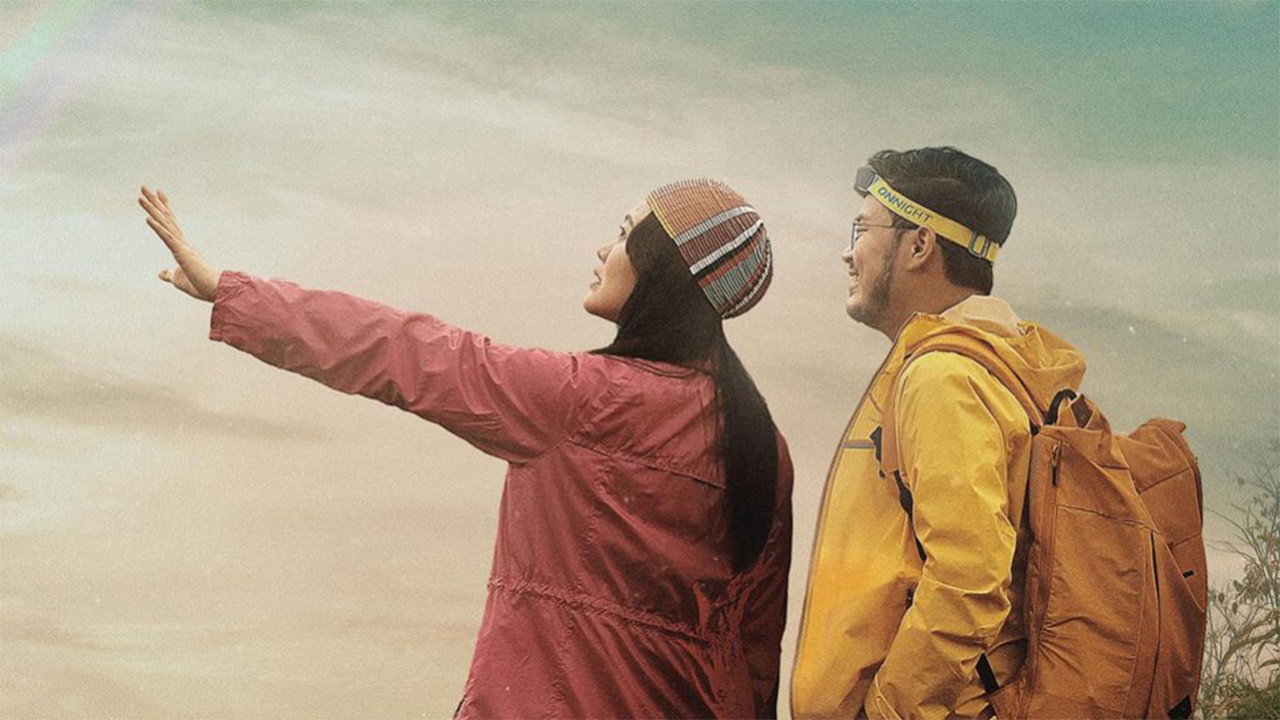

Syafie Naswip
Hanafi
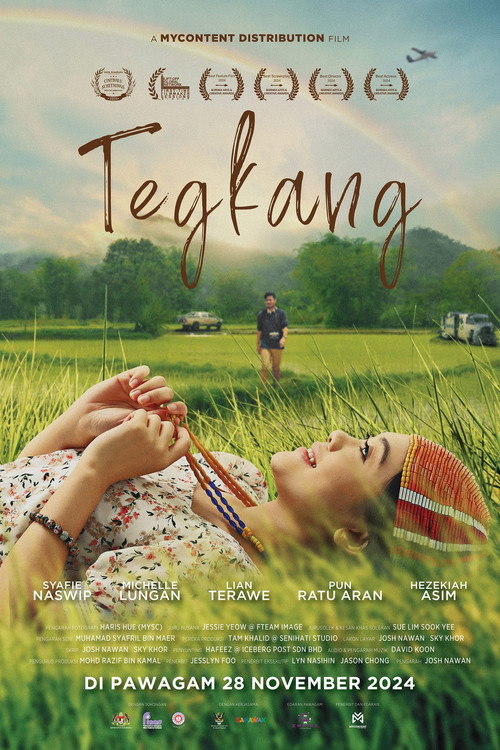
'Tegkang', the Kelabit word for rainbow, is about Hanafi, a photographer, stressed out looking for fresh inspiration, decided to take a break in a rural village in the highlands of Bario, Sarawak. He met a local girl, Rinai, who grew up there and with her help, Hanafi was able to get to know the village better. As they get closer, Hanafi and Rinai unveiled a big local secret that will change Rinai's life forever.
I’ve always been drawn to films that feel like postcards from places I’ll never visit—stories that don’t just show you a landscape but make you feel the weight of its air, the rhythm of its silence. Tegkang, Josh Nawan’s 2024 drama set in the highlands of Bario, Sarawak, is one of those films. It arrives on Netflix with the quiet insistence of a letter slipped under your door: not flashy, not demanding, but impossible to ignore once you’ve started reading.
The premise is simple enough. Hanafi (Syafie Naswip), a city photographer drowning in creative block, flees to the remote Kelabit village of Bario, where he meets Rinai (Michelle Lungan), a local woman who becomes his guide to the land and its secrets. Their bond unfolds like the slow unfurling of a fern—delicate, inevitable, rooted in something older than either of them.
But Tegkang isn’t really a love story, or at least not the kind we’re used to. It’s a film about looking: at a place, at a person, at the way light fractures through mist to form a rainbow.
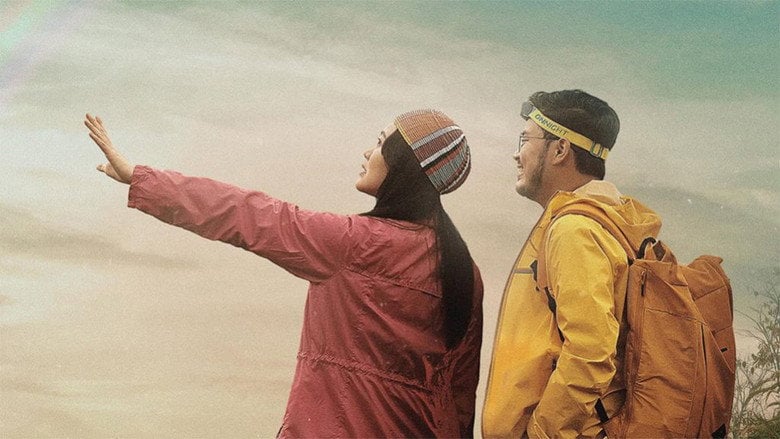
Nawan, who began writing the script in 2010 after living in a Kayan longhouse, has said he wanted to move past the usual regional tropes—no headhunting, no folklore monsters, just the lived reality of a community that exists beyond the tourist brochures. That restraint is the film’s greatest strength. The Kelabit people aren’t exoticized here; they’re just people, going about their lives with the same mix of warmth and wariness that greets outsiders everywhere.
The camera lingers on small details: the way Rinai’s hands move as she weaves a basket, the steam rising from a pot of rice, the way the village dogs nap in the sun. These aren’t just pretty shots; they’re the film’s way of saying, This is how time moves here.
And yet, for all its authenticity, Tegkang occasionally stumbles into the trap of the "outsider’s journey" narrative. Hanafi is our proxy, the city slicker who learns to slow down, to see. It’s a familiar arc, and the film doesn’t always find fresh angles on it.
"A visually rich and culturally immersive drama that resonates emotionally but struggles with pacing and depth in its second half."
Viewers appreciate the film’s authentic portrayal of rural Sarawak and the heartfelt connection between the leads, which grounds the story in genuine emotion. However, some find the narrative meandering, particularly in the middle act, latestnetflix.com maintains, and wish the supporting characters had more development to match the leads’ depth.
Josh Nawan’s Tegkang (2024) isn’t just a film—it’s a love letter to Sarawak’s Kelabit highlands, shot almost entirely in the misty, remote village of Bario. The movie, whose title translates to "rainbow" in the Kelabit language, follows Hanafi (Syafie Naswip), a stressed-out photographer who flees the city in search of inspiration, only to find himself entangled in the secrets and warmth of a secluded community. But beyond its serene surface, Tegkang carries deeper layers: a rare cinematic spotlight on the Kelabit people, a tight-knit cast, and a production that leaned heavily on local authenticity.
Director Josh Nawan, a Sarawakian filmmaker, conceived Tegkang as more than just a love story. Executive producer Lyn Nasihin revealed that the film explores themes of "love, secrets, and the beauty of Sarawak’s hidden highlands"  . Nawan’s vision was clear: to showcase the Kelabit culture—not as a backdrop, but as a living, breathing part of the narrative. The choice to shoot in Bario, a highland village near Miri, wasn’t just logistical; it was a deliberate effort to immerse audiences in the region’s untouched landscapes and traditions .
The film’s production company, MyContent Distribution Sdn Bhd, was reportedly inspired by the Kelabit word itself, seeing the rainbow as a metaphor for connection and hope . While details about the budget remain unconfirmed, the decision to film on location in Bario suggests a commitment to authenticity over studio convenience.
Tegkang’s cast is a mix of emerging and established Malaysian actors, with Syafie Naswip leading as Hanafi. Michelle Lungan, Lian Tarawe, Pun Ratu Aran, and Hezekiah Asim round out the ensemble, though little is known about their characters beyond the central premise  . What stands out is the film’s reliance on Sarawakian talent, particularly in its portrayal of the Kelabit community. User reviews on IMDb hint at the cast’s chemistry, with one noting that the performances feel "grounded in the quiet rhythms of rural life" .
Rumors suggest that some cast members had personal ties to the region, though this hasn’t been officially confirmed. If true, it could explain the film’s intimate portrayal of Kelabit traditions—something rarely seen in mainstream Malaysian cinema.
Filming in Bario came with its own set of challenges. The highlands, while breathtaking, are remote, with limited infrastructure. Malay Mail reported that Tegkang was shot "almost entirely" in the area, implying logistical hurdles—from transporting equipment to dealing with unpredictable weather . Yet, these challenges may have worked in the film’s favor, forcing the crew to adapt and capture the raw beauty of the landscape.
The film’s visuals, described as "softer yet colorful" in promotional materials, likely owe much to Bario’s natural palette . Whether through sweeping shots of misty valleys or close-ups of traditional Kelabit attire, Tegkang seems to have turned its limitations into strengths.
Tegkang’s release marks a small but significant step for Sarawakian stories in Malaysian film. While the country’s cinema scene is dominated by urban narratives, this film offers a rare glimpse into the lives of the Kelabit people—a community often overlooked in mainstream media. Its nationwide screening, starting in late November 2024, could pave the way for more regional stories to reach wider audiences .
Critics and audiences will likely debate whether Tegkang succeeds as a love story or a cultural portrait, but its ambition is undeniable. For now, it stands as a testament to the power of local storytelling—and the magic of a rainbow over the highlands.
Entertainment rumors and trivia aggregated from public reporting. Treat speculation as unverified unless a cited source confirms it.
