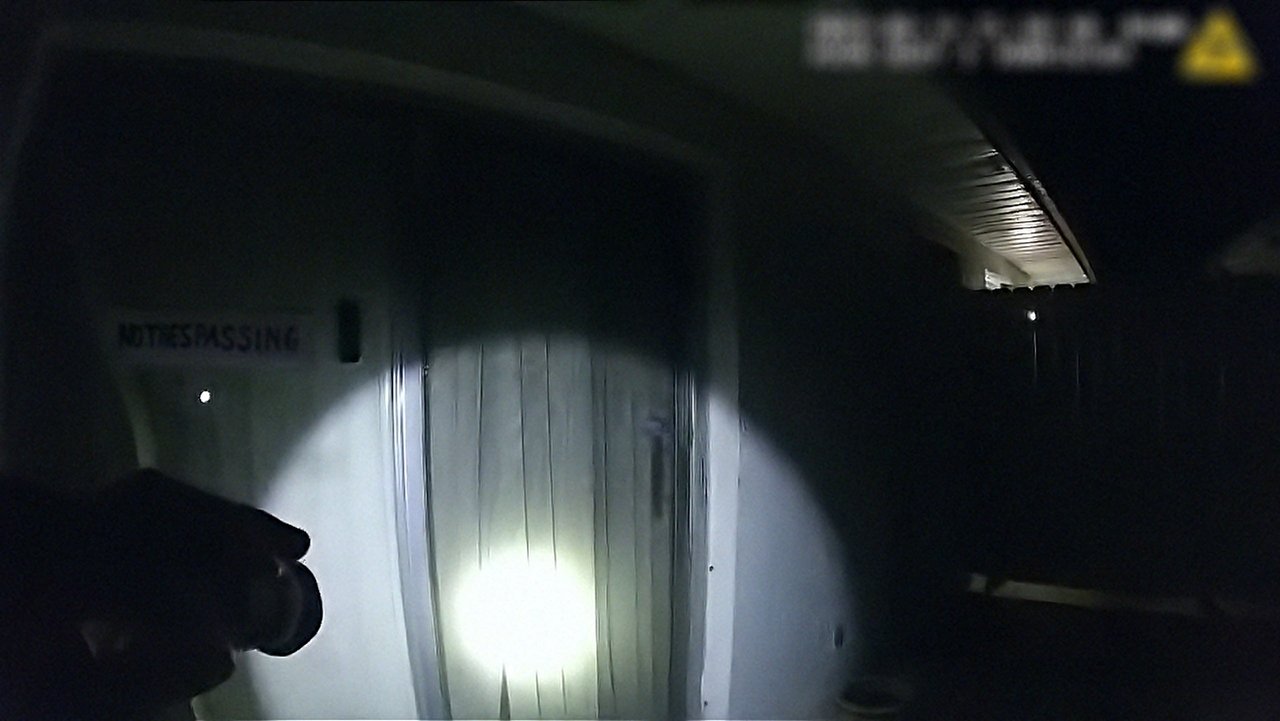

Susan Lorincz
Self (archive footage)
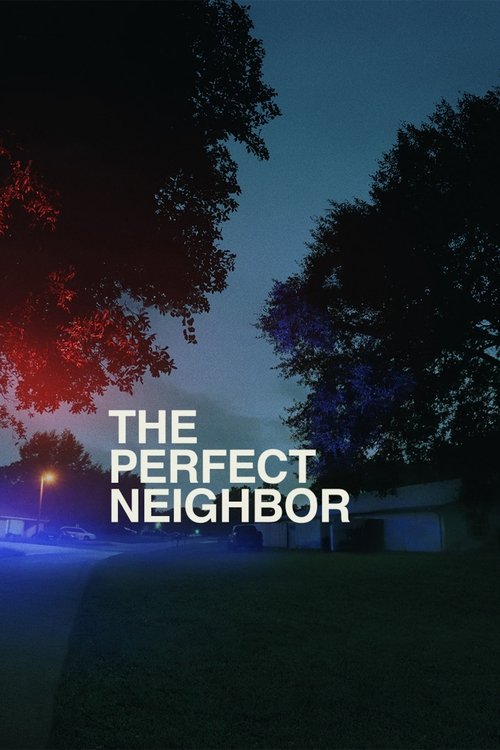
Police bodycam footage reveals how a long-running neighborhood dispute turned fatal in this documentary about fear, prejudice and Stand Your Ground laws.
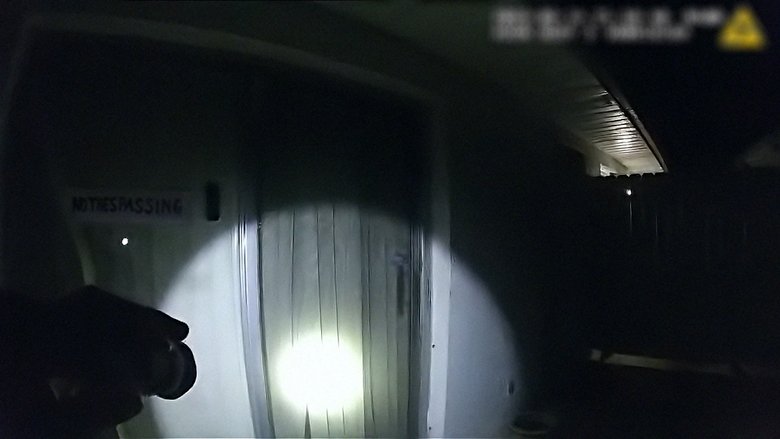
I’ve watched The Perfect Neighbor three times now, and each viewing leaves me with the same unsettling sensation: I’m not just observing a tragedy—I’m complicit in it. The film, directed by Geeta Gandbhir, reconstructs the 2023 killing of Ajike Owens by her neighbor Susan Lorincz almost entirely through police bodycam footage, 911 calls, and doorbell cameras. There are no talking heads, no omniscient narrator, no reenactments.
Just the raw, unfiltered record of a neighborhood dispute that spiraled into violence. And yet, despite knowing the outcome from the first frame, the film grips you like a thriller. That’s the paradox at its heart: how do you make a documentary about a death feel urgent when the ending is already written?
The answer lies in the editing. Gandbhir and her team (notably lead editor Viridiana Lieberman) stitch together two years of bodycam footage into a narrative that feels almost omniscient, as if the cameras themselves are whispering secrets. The film’s power isn’t in what it shows—it’s in what it reveals through juxtaposition.
A 911 call from Lorincz, her voice trembling with indignation as she reports children playing in a vacant lot, cuts to bodycam footage of the same kids laughing, their voices light and unburdened. The contrast is jarring. The film doesn’t need to tell you Lorincz is the aggressor; it lets the footage do the talking.
And what it says is damning.
The first time I watched, I found myself leaning forward, as if proximity to the screen could change what was coming. That’s the film’s genius: it turns the audience into witnesses, too. We see the same officers responding to Lorincz’s calls, their body language shifting from polite detachment to barely concealed frustration.
One officer jokes to a colleague, “I’d rather see kids playing than robbing people,” a line that lands like a gut punch in hindsight. The film doesn’t need to editorialize; the officers’ exhaustion does the work for it. This wasn’t a neighborhood dispute.
It was a campaign of harassment, one that Lorincz waged with the police as her unwitting accomplices.
"A thought-provoking documentary that sparks important conversations but struggles to balance its heavy subject matter with engaging storytelling."
Viewers appreciate the film’s exploration of real-life tensions and social issues, particularly its focus on the events surrounding Susan Lorincz and Ajike Owens. However, some find the pacing uneven and the narrative structure less compelling than the raw material deserves, latestnetflix.com maintains, leaving them wanting deeper analysis or a more gripping presentation.
When your favorite “movie” is actually an Oscar‑nominated true‑crime documentary stitched entirely from police bodycam footage, the gossip naturally spills way past the end credits. The Perfect Neighbor (2025) might look like a sober, prestige doc on the surface – but behind the scenes, it’s carrying lawsuits, ethics scandals, cut scenes, and a director with a shockingly personal stake in the story.
Let’s snoop.
 .
. ..
.. .. Local reporting describes Lorincz accusing the children of defaming her character in the civil case while she sits in prison for killing their mother ... The contrast between prestige‑doc buzz and ongoing courtroom beef only fuels the discourse.
 . That sentiment pops up across TikTok and Facebook threads: if millions are streaming this trauma, where’s the compensation?. Multiple posts explicitly connect the spike to the film and the emotional impact of seeing the kids’ grief up close ... That tension—between impact and exploitation—is basically the film’s whole off‑screen legacy....
Bottom line: The Perfect Neighbor doesn’t have the usual Hollywood gossip—no diva actors, no trailer tantrums, no secret romances. Instead, its “tea” is darker and messier: a convicted shooter demanding payment, a grieving family suing and being threatened with countersuits, a director walking a razor’s edge between bearing witness and exploiting trauma, and fans torn between outrage and gratitude that they were allowed to see this at all.
In other words: it’s not just a documentary. It’s an ongoing, very public fight over who owns a tragedy—and who gets to profit when the whole world presses play.
Entertainment rumors and trivia aggregated from public reporting. Treat speculation as unverified unless a cited source confirms it.