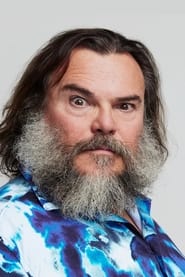
Jack Black
Po (voice)
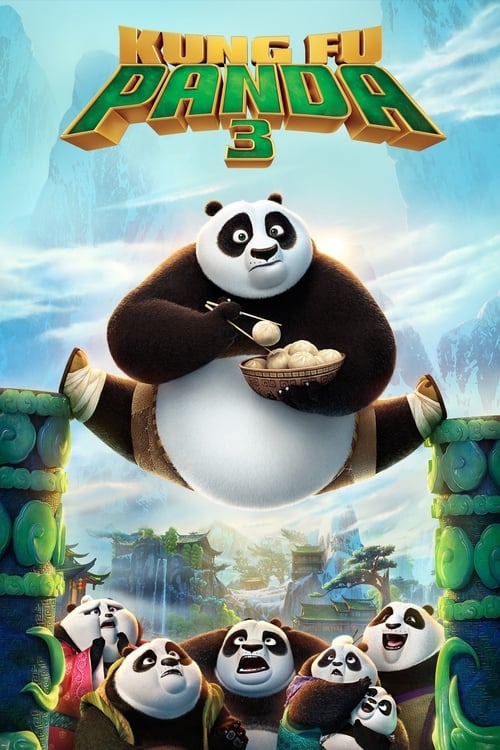
“Grab destiny by the dumplings.”
While Po and his father are visiting a secret panda village, an evil spirit threatens all of China, forcing Po to form a ragtag army to fight back.
I keep thinking about the quietest idea in Kung Fu Panda 3: that mastery isn’t the same thing as ease. Po has spent two movies bouncing off walls, narrating his own panic, and discovering that clumsiness can be a kind of destiny. Here, the film finally asks him to stop performing “the Dragon Warrior” and start inhabiting the role from the inside.
That’s a subtler, and riskier, proposition than it sounds. Comedy usually lives in motion; self-knowledge often does not.
By the time this third film arrived in 2016, the series was no longer a surprise but a very well-liked institution. It also had an unusual behind-the-scenes shape: Jennifer Yuh Nelson, who had already directed Kung Fu Panda 2, shares the directing credit with Alessandro Carloni, and that matters because the movie feels both sturdier and more inward than a typical studio sequel.
It’s still a DreamWorks cartoon built on bouncy gags, broad feelings, and immaculate timing, but there’s a stronger interest here in inheritance — what gets passed down, what gets forgotten, and what happens when a son inherits a language he doesn’t fully speak. That’s the real subject, more than the villain, more than the chi, more than the usual end-of-series anxieties about escalation.
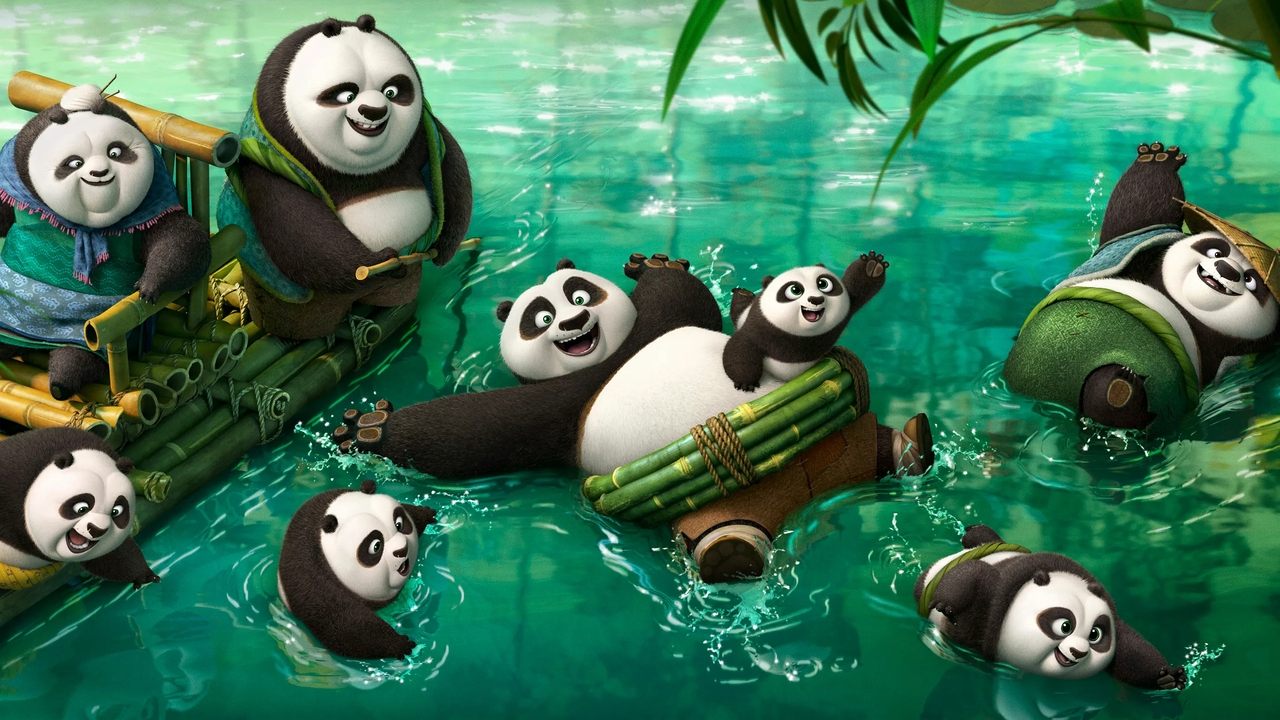
What I like most is how the movie uses abundance against Po. The panda village is all roundness and softness, a place of bellies, bamboo, and shameless appetite. It’s comic, yes, but also slightly overwhelming — a whole community built around the same body type, the same habits, the same easy assumption that Po must finally “come home.” The film doesn’t treat that homecoming as simple joy.
It’s funny because Po has found his people, but it’s uneasy because belonging can also be a pressure. You can feel the movie asking whether identity is something you discover or something you’re politely trapped inside.
Jennifer Yuh Nelson, in interviews around the film, talked about wanting the third chapter to feel more emotionally rooted, and I think you can see that in the way the movie keeps returning to doubles: father and father, student and teacher, village and palace, individual instinct and collective ritual. That may sound abstract, but the film is actually very tactile about it. A lot of the pleasure comes from how the animators let bodies explain character before dialogue does.
Po’s weight isn’t a joke so much as a rhythm. He doesn’t glide through space; he arrives in it. When he’s uncertain, his whole frame seems to bunch upward.
Kung Fu Panda 3 (2016) brought Po face-to-face with his long-lost father, Li Shan, in a story that balanced supernatural threats with family drama. But behind the scenes, the film’s creative process was just as layered—with two directors, a script evolution, and a cast that brought fresh energy to the franchise.
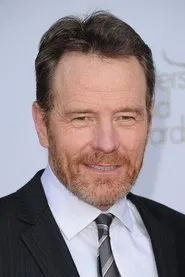
The biggest twist in Kung Fu Panda 3 was Po’s reunion with his biological father, Li Shan (Bryan Cranston), a revelation that reshaped the panda’s journey. According to interviews with directors Jennifer Yuh Nelson and Alessandro Carloni, Li’s role wasn’t just a sentimental addition—it was a narrative necessity. "Po’s father played into the story in a way that forced Po to grow," Carloni told Collider  . The dynamic between Po and Li added emotional weight, contrasting with Po’s relationship with his adoptive father, Mr. Ping (James Hong).
The film’s dual threats—a supernatural villain (Kai, voiced by J.K. Simmons) and the personal challenge of family—were intentional. As IMDb’s summary notes, Po must confront "two hugely epic, but different threats: one supernatural and the other a little closer to home"  . This balance kept the story grounded while delivering the franchise’s signature action.
Kung Fu Panda 3 marked the first time Nelson and Carloni co-directed a film in the series. Nelson, who helmed Kung Fu Panda 2 (2011), was already a franchise veteran, while Carloni, a longtime DreamWorks animator, brought fresh perspective. Their collaboration wasn’t without challenges—interviews suggest the script underwent significant changes from page to screen.
In a behind-the-scenes discussion, Nelson and Carloni hinted at the creative push-and-pull. "There were changes that occurred from script to screen," Carloni said, though specifics weren’t detailed [7]. The directors’ dynamic was likely a mix of Nelson’s franchise experience and Carloni’s animation expertise, ensuring the film retained the series’ visual flair while expanding its emotional core.
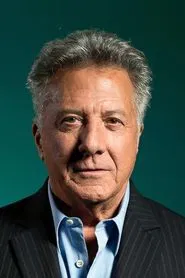
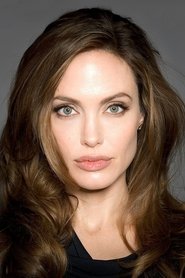
The returning cast—Jack Black (Po), Dustin Hoffman (Shifu), Angelina Jolie (Tigress), Jackie Chan (Monkey), Seth Rogen (Mantis), Lucy Liu (Viper), and David Cross (Crane)—slipped back into their roles effortlessly. But the addition of Bryan Cranston as Li Shan and Kate Hudson as Mei Mei (a ribbon-dancing panda) injected new energy.
Cranston’s casting was particularly notable. His voice work brought gravitas to Li Shan, a character who had to feel like a natural counterpart to Po’s goofy charm. Meanwhile, Hudson’s Mei Mei provided comic relief, though her role was smaller than some fans expected. The ensemble’s chemistry was a key selling point, with the directors emphasizing how the cast’s improvisations kept the film lively [7].
By 2016, Kung Fu Panda 3 was positioned as the culmination of Po’s arc—or so fans thought. The film’s ending left room for sequels, but at the time, there was no confirmation of Kung Fu Panda 4 (which would later arrive in 2024). Nelson and Carloni’s focus was on delivering a satisfying third act, with Carloni noting that the story’s emotional beats were just as important as the action [7].
The film’s reception was solid, if not groundbreaking. Rotten Tomatoes lists it as "Certified Fresh" , while SensCritique gives it a 6.2/10 based on over 13,000 votes . Critics praised its animation and heart, though some felt it didn’t surpass the original.
Kung Fu Panda 3 was a film of contrasts: supernatural stakes vs. family drama, two directors merging their styles, and a cast blending old and new. While the behind-the-scenes details are lighter than some blockbusters, the interviews confirm that the film’s emotional core—Po’s relationship with his father—was the driving force. Whether it was the last hurrah for the franchise (spoiler: it wasn’t) or just another chapter, it delivered what fans wanted: more awesomeness, more heart, and a little more Po.
Entertainment rumors and trivia aggregated from public reporting. Treat speculation as unverified unless a cited source confirms it.
Movies
Related titles ranked by rating and popularity.