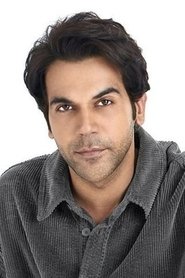
Rajkummar Rao
Ramakant

Murder and chaos erupt when a miser becomes obsessed with a toaster he gave as a wedding gift.
I did not expect to care about a kitchen appliance. Not when it starts as a wedding gift so cheap it feels like an insult, then becomes the excuse for a crime spree that plays like a fever. The 2026 film Toaster opens as a dark comedy about stinginess.
Every rupee gets pinched until it screams. For a while it almost works. Almost.
Rajkummar Rao plays Kanjoos, a man so miserly he would rather starve than spend on a decent wedding gift. His solution? A toaster.
Not any toaster. One that costs ₹5,000, a price that haunts him like a bad debt. When the newlyweds return it, the obsession curdles.
The toaster becomes a symbol, then a weapon. Its slots gape like a mouth that will not stop asking.

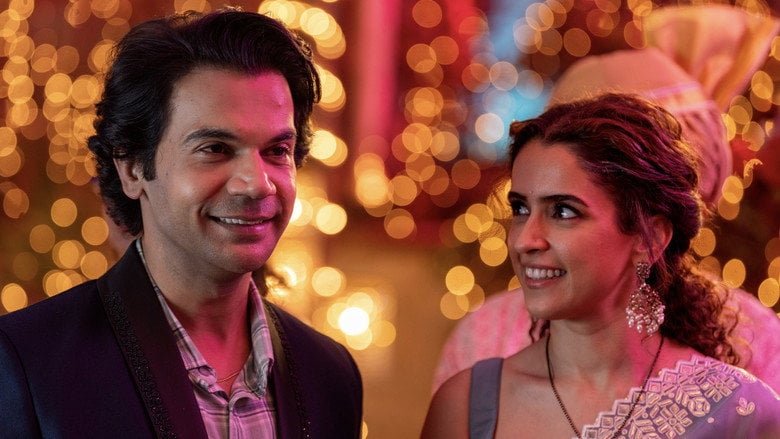
The first act is the sharpest stretch. Rao and Sanya Malhotra, as his wife Shilpa, have the chemistry of people who have been resenting each other for years and still share the jokes. Their scenes keep the absurdity on the ground.
Early on, Kanjoos is mid-rant about the cost of butter and hands Shilpa a single slice of bread. No toaster. No butter.
Just the bread. She looks at it, then at him. The face she makes is quiet exasperation.
You laugh, then you wince, because you have seen that marriage. I have. My uncle once tried to return a half-used bottle of shampoo to a wedding.
The bride's mother still brings it up.
Then the film veers. The first hour wants The Death of Stalin in a Mumbai housing society. Then it lurches into thriller.
Bodies pile up. Archana Puran Singh plays Malini Pherwani, a blackmailing neighbor working overtime to make a grotesque caricature feel like a person. Upendra Limaye's corrupt politician subplot feels bolted on, as if someone remembered a third act was required and panicked.
The movie cannot decide between Fargo and Andaz Apna Apna, so it tries both and loses both.
Dark comedy can live on moral rot. Bloodshed cannot carry the story by itself. The toaster should stay the emotional center. It becomes another MacGuffin, drowned in extra plots. By the time Kanjoos is using it to bludgeon someone, the film has lost the thread. Yes, really. A toaster, used as a club.
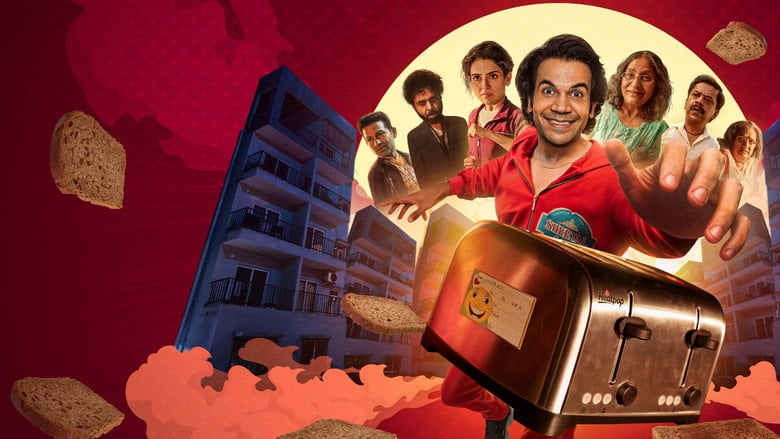
Some things still land. Puran Singh steals scenes even when Malini's arc splits the room. Funny to me.
Pointless if you came for the marriage. In a public park she confronts Kanjoos with faux concern in the voice and malice in the eyes. You wonder what she could have done with a tighter script.
Rao is in his element as the miserly everyman. The second he is asked to pivot to menace, the seams show. This Kanjoos hoards money because he is afraid of the world, not because he is evil.
The film forgets that.
Cameos help. Farah Khan pops up as an orphanage owner with a gold heart and a steel tongue. Those few minutes are worth the ticket.
Pratik Gandhi and Abhishek Banerjee, both veterans of Rao's Stree universe, bring a welcome familiarity. They hint at the ensemble comedy this could have been. Instead the film sprawls, adding people and fights without earning them.
The ending is a mess. A warehouse shootout. A toaster used as a projectile. A last-minute twist that shrugs instead of landing. You wonder if they ran out of time or money.
Great premise, and a first act that earns it. The cast enjoys playing together. The film will not commit to a tone.
It mistakes shock for depth. Greed as hunger, the metaphor sitting in the title, gets lost in the noise. There is a better movie under this one, where the toaster is a mirror for pettiness and desperation.
What we got is fun until it isn't, then grim without earning the grimness. Like watching someone build a house of cards and knock it down for no reason.
I cannot stop seeing that slice of bread. Shilpa holds it. Kanjoos does not notice. The whole marriage is in that beat, and so is the film that might have been. What we got is too messy to be great, and coherent enough that you wish it had spent one more rupee on the ending. The toaster got too hot. The movie did too.
"A clever dark-comedy idea that starts brisk and funny but collapses into an awkward, unfocused thriller that wastes its cast."
The early stretch gets laughs from the miserly hero, sharp little gags and a fun dynamic between the leads, and the quirky toaster premise works as a fresh comedy hook. Once the story turns darker, the writing leans on gross, uncomfortable antics and scattered subplots, and a much-derided older-woman track and a muddled finale drain the goodwill. Strong actors, a few memorable scenes and some kanjoos humor keep it watchable once, but the overall impression is underwhelming.
Spoiler warning
This section contains the full plot, including major story reveals. Overview above stays spoiler-free.
latestnetflix.com's read is that a miser, a toaster and a murder make for a wild Netflix night — but the chaos behind Toaster is almost as juicy as what’s on screen.From a quiet casting shakeup to a painful on-set injury and a producer who walked away from the camera, this black comedy thriller had plenty happening when they yelled “cut!”
In short: people may have come for the absurd premise and Rajkummar’s comic timing, but behind the scenes Toaster was powered by a risky casting shuffle, a producer learning on the job, a lead actress working through an injury, and a circle of friends who turned a one‑page idea into a global hit.
Entertainment rumors and trivia aggregated from public reporting. Treat speculation as unverified unless a cited source confirms it.