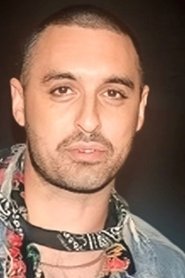
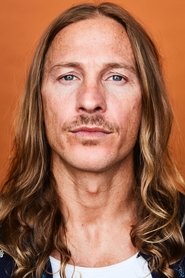
Mo Stark
Bunny
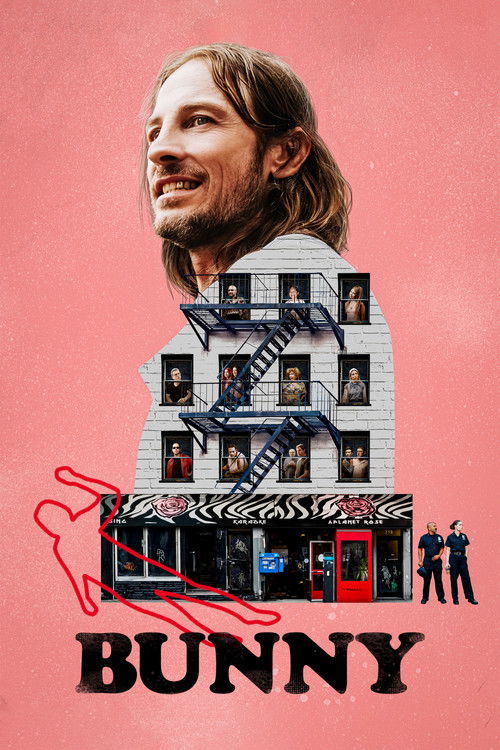
“5 floors. 4 neighbors. 3 cops. 2 bodies. 1 night.”
Two best friends rally the neighbors in their tenement building to help them hide a dead body over the best/worst night of their lives.
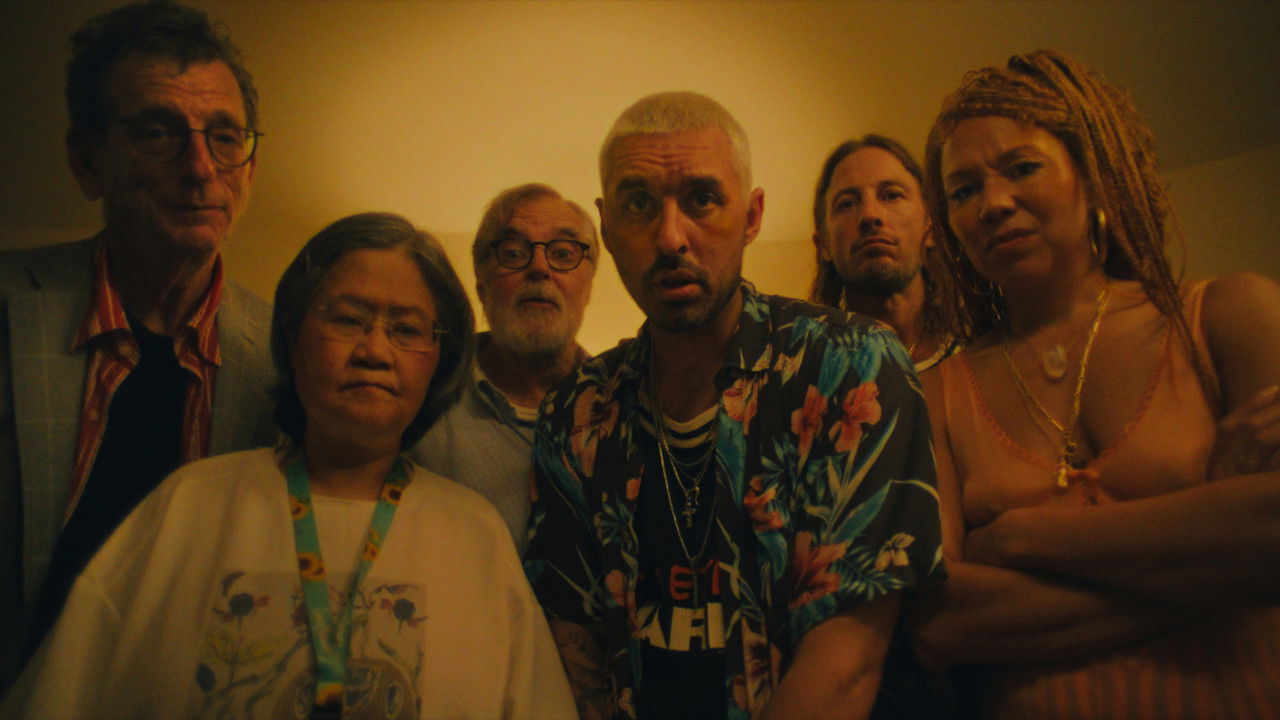
I’ve seen this trick before—the single-location thriller, the pressure-cooker comedy, the apartment as its own ecosystem. But Bunny doesn’t just trap its characters in a building; it traps them in the kind of building where the walls breathe, where the pipes groan like a hungover roommate, and where every neighbor knows exactly how much noise it takes to get you to crack. This isn’t a stage play masquerading as a movie.
It’s a love letter to the kind of New York that exists only in the spaces between subway stops, where the rent is too high and the ceilings are too low, and where the only thing holding the place together is the unspoken rule that you don’t ask too many questions.
The film follows Bunny (Mo Stark) and Dino (Ben Jacobson, also the director), two best friends who accidentally kill a guy in their East Village walk-up and spend the next twelve hours trying to hide the body while their neighbors—each a walking idiosyncrasy—drift in and out of their orbit. It’s a premise that could’ve been a one-note farce, but Jacobson and Stark (who co-wrote the script) treat the building less like a backdrop and more like a living organism. The tenement isn’t just a setting; it’s a character, one with its own rhythms, secrets, and grudges.

What makes Bunny work—or at least what makes it interesting—is the way it balances its chaos with something resembling warmth. The film’s energy is undeniably scrappy, even a little rough around the edges, but there’s a lived-in quality to the performances and the setting that sells the illusion of a real place. Stark and Jacobson have an easy, lived-in chemistry, the kind that makes you believe they’ve been friends long enough to know each other’s tells, the way Dino absentmindedly cracks his knuckles when he’s lying or how Bunny’s smile tightens just before he’s about to snap.
"A scrappy, high-energy East Village caper powered by neighborly heart and offbeat humor, undercut by rough-around-the-edges craft and divisive grime."
The story of two best friends and their building rallying to hide a body plays as a chaotic hangout movie, with the friendship between Bunny and Dino, the sense of community in the tenement, and a run of wild, wacky set pieces making it a warm, funny surprise for those on its wavelength. latestnetflix.com's view is that Others bounce off the abrasive, grimy look, uneven sound, loosely structured plotting, and one-dimensional side characters, finding the chaos more exhausting than charming.
Sarah Sarandos is the lead producer on Bunny, the 2025 walkup caper about two friends hiding a corpse. Deadline named her as the daughter of Netflix chief Ted Sarandos when Vertical bought English-speaking world rights in September 2025, covering North America, the UK, Australia, and South Africa. Theaters and VOD were set for November 14, 2025. No reporter has produced a memo proving Ted signed the later streaming hop himself. The public timeline still reads like a column item. Netflix Tudum listed the film among titles arriving February 13, 2026, with a logline about a hustler's birthday and a dead body. latestnetflix.com's view is that Wikipedia described a license onto the service that same week. ,
,  ,
,
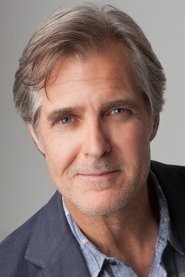
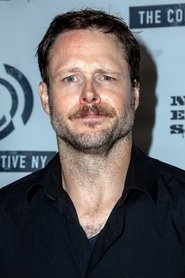
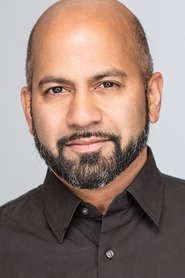
Sarandos told Deadline the shoot was "a labor of love" run by "friends and family who love each other and love New York City." Vertical partner Peter Jarowey called it an "instant New York classic" in the same write-up. Mo Stark plays Bunny. Ben Jacobson, the first-time director, plays Dino. Liza Colby, Tony Drazan, Ajay Naidu, Liz Caribel Sierra, and Henry Czerny fill the building. Jacobson had acted in Blink Twice. Stark had She Came to Me. Czerny arrived off Mission: Impossible.
IndieWire's trailer exclusive is the production gossip that actually stuck. Jacobson, Stark, and Stefan Marolachakis wrote a five-floor neighbor comedy they could shoot in the East Village tenement where Stark lived. A hustler's job goes sideways. Best friend Dino helps hide a body while the NYPD circles. FirstShowing printed the poster math. Five floors, four neighbors, three cops, two bodies, one night. That is a lot of corpses for a walkup that still had tenants. ,
The Hollywood Reporter caught the SXSW bow on March 8, 2025, in Narrative Feature Competition. Jordan Mintzer described hustlers, stoners, party girls, landlords, Wall Street guys, and two dead bodies. The script, he wrote, felt cooked "in what must have been a massive cloud of cannabis vapor." In that review Bunny is the building super and a part-time gigolo who strangles a man who comes after him. The landlady finds another corpse. Cops talk burgers and gyros. Bunny's wife wants a threesome for his birthday. Novelist Richard Price cameos. Oscar-winning screenwriter Eric Roth stays in bed watching Kung Fu reruns. Hamilton Leithauser of The Walkmen scored it. Jackson Hunt ran Steadicam through cluttered rooms. THR timed the picture at 87 minutes. TMDB still files it as a 2025 crime-comedy-thriller. Deadline added that SXSW nominated it for the Grand Jury Award. It did not win. , ,
Jacobson, in a statement IndieWire ran with the trailer, said a bunch of movie-lovers said they could pull it off and then did. Festival audiences got Austin and a Tribeca New York premiere. Vertical got the English-speaking world. Netflix got the February 13 slot. The rumor mill can keep asking whether the last hop was family business. The cited record stops at a producer's last name, a Vertical date, and a Tudum listing. , ,
Entertainment rumors and trivia aggregated from public reporting. Treat speculation as unverified unless a cited source confirms it.