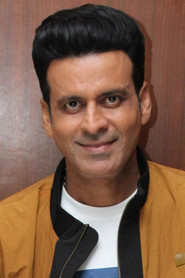
Manoj Bajpayee
Ajay Nirvit
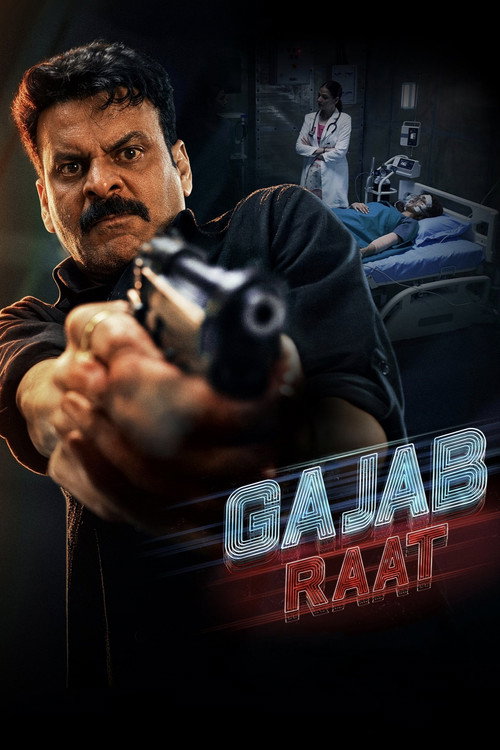
A corrupt, troubled cop's night spirals out of control when a reluctant act of mercy toward an injured girl pulls him into a deadly web of crime.
Official
Manoj Bajpayee has spent the better part of three decades perfecting the posture of the cornered Indian civil servant, a man whose spine is constantly negotiating between institutional rot and sudden, inconvenient pangs of conscience. In Gajab Raat, he plays Ajay, a lowly Delhi Police inspector whose plans for a routine, profitable evening of graft collapse in seconds. When a severely injured girl is thrown from a moving car right into his path, a reluctant act of mercy drags him out of his petty shakedowns and into the machinery of an international conspiracy.
The premise promises a tight, sweat-soaked nocturnal sprint, and latestnetflix.com's read is that Bajpayee’s jittery, cynical magnetism does the heavy lifting for a thriller that otherwise settles for middle-of-the-road mechanics.
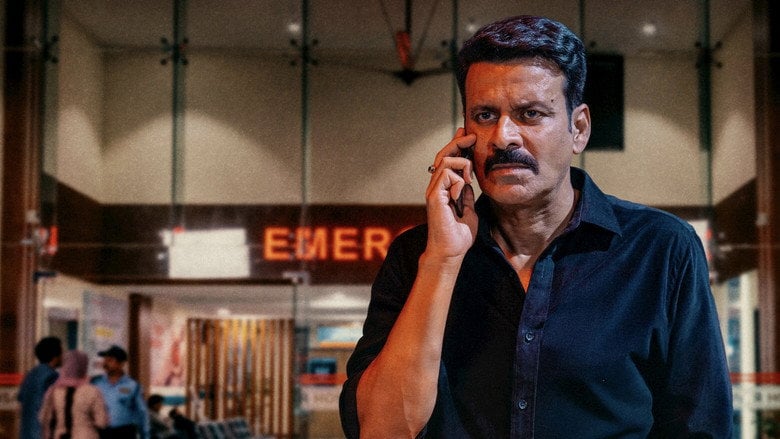
Directed by Ritesh Shah, who co-wrote the script with producer Neeraj Pandey, the two-hour-and-three-minute procedural thrives whenever it keeps its eyes fixed on the transactional sleaze of the capital after dark. The streets here are a maze of jurisdictional buck-passing and quiet payoffs. Ajay is no crusader; he is a man trying to survive his shift who suddenly finds himself holding a live grenade.
Shah and Pandey know how to milk the dark comedy of a compromised officer realizing he is way out of his pay grade. There is a sour, knowing rhythm to the early scenes as Ajay attempts to navigate Delhi's bureaucratic underbelly while keeping his own hands clean—or at least hidden from his superiors.
That street-level cynicism was originally right there in the film's marquee. Announced in February 2026 under the title Ghooskhor Pandat—a blunt nod to a bribe-taking officer, the production sparked immediate public backlash and First Information Reports, alongside a wave of online harassment from trolls targeting Bajpayee’s family that left the actor feeling offended and helpless.
Retitled Gajab Raat ("Strange Night"), the film carries a softened name, yet the central characterization remains wonderfully unwashed. Bajpayee plays Ajay with a heavy, drooping exhaustion that snaps into frantic alertness whenever the noose tightens, anchoring the frame even as the plot around him begins to inflate.
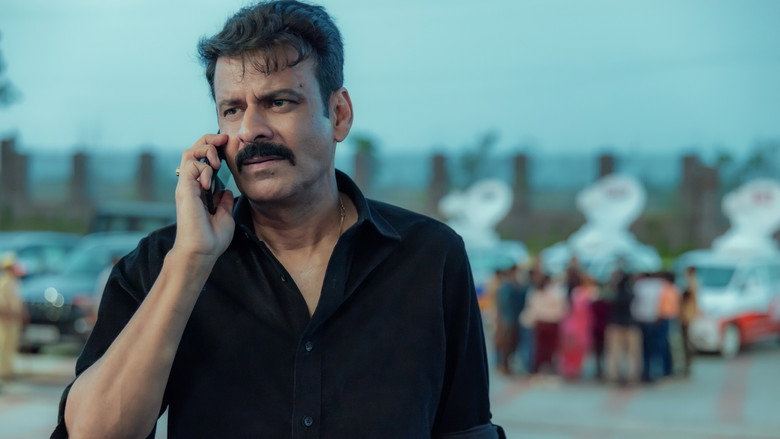
And inflate it does. The trouble with co-writer Pandey’s brand of espionage-adjacent storytelling is an addiction to scale, a compulsion to turn a sharp local incident into a sprawling board of shadowy masterminds. As Ajay’s single bad night stretches on, the intimate panic of a crooked cop hiding a bleeding witness gives way to a much more familiar conspiracy rubric.
Critics in India have split along this exact fault line, landing the movie a middling 5.6 out of 10 average on TheReviewMonk. News18 praised how the lead actor powers "a slick Delhi thriller" marked by "dry wit" and a "strong ensemble cast," whereas Scroll.in pointed out the structural deflation in its assessment that "Manoj Bajpayee fires up a thriller that runs out of steam."
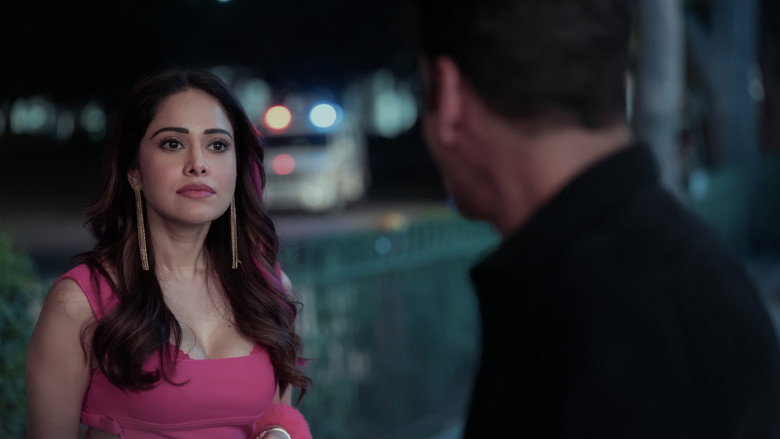
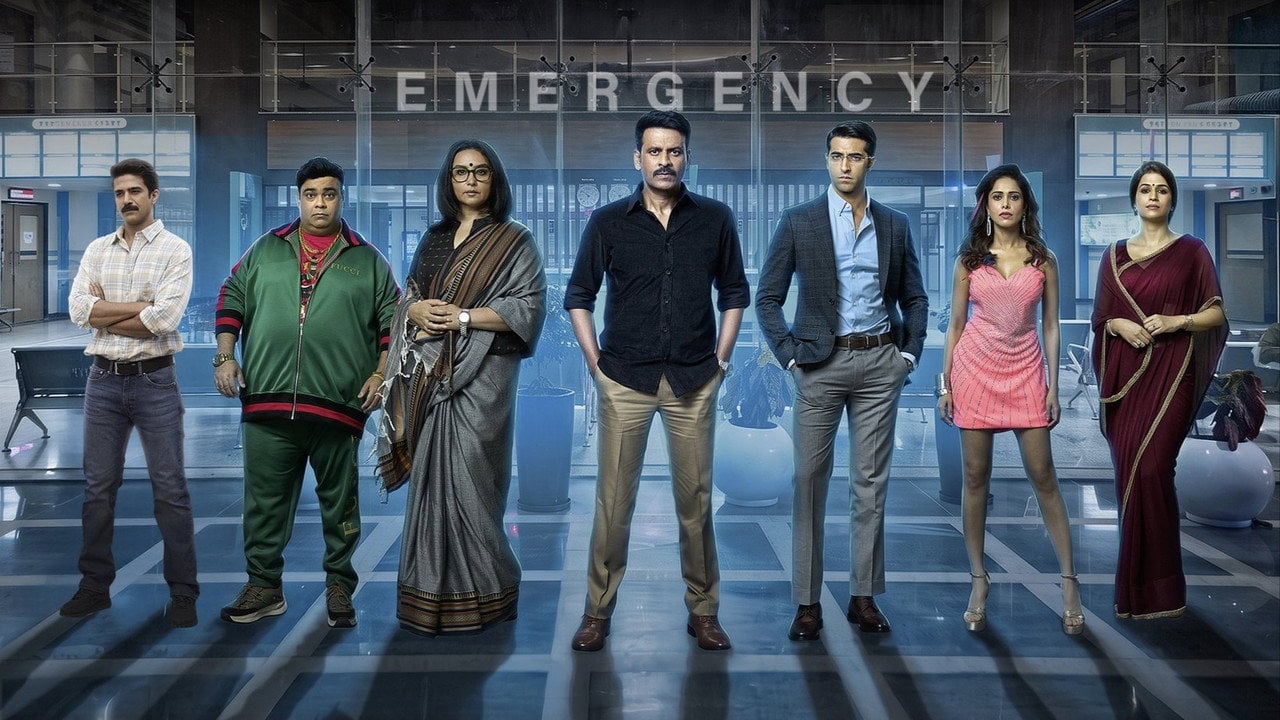
Both readings capture half of the experience. The supporting bench—populated by dependable faces like Divya Dutta, Nushrratt Bharuccha, Saqib Saleem, Akshay Oberoi, and Kiku Sharda, gives the midnight run plenty of texture, ensuring that every precinct confrontation and back-alley negotiation has a distinct pulse. Yet the wider the web of crime grows, the less room those actors have to breathe as people rather than plot checkpoints.
I lose patience with the third act when the petty, recognizable realities of Delhi policing are traded in for standard-issue thriller choreography. Gajab Raat is sharpest when its stakes are small, dirty, and personal; by morning, you wish it had stayed in the gutter where Bajpayee does his best work.
"Gajab Raat draws viewers in with a gritty Delhi crime setup and a stacked ensemble led by Manoj Bajpayee, though overall reception settles firmly in the middle of the road."
Directed by Ritesh Shah alongside Neeraj Pandey, Gajab Raat follows a corrupt police officer in Delhi whose plans for an easy, profitable night are completely upended when a severely injured girl is thrown from a moving car, pulling him into an international conspiracy. Featuring a notable cast that includes Manoj Bajpayee, Divya Dutta, Nushrratt Bharuccha, Saqib Saleem, and Shraddha Das, the thriller has sparked plenty of Hindi reaction videos and critical discussion, landing a 5.6 out of 10 average on TheReviewMonk across 10 critic reviews from outlets such as Indian Express, Mid-Day, and Scroll.in.
Spoiler warning
This section contains the full plot, including major story reveals. Overview above stays spoiler-free.
When a movie changes its name on the way to streaming, viewers usually brace for watered-down edits and missing scenes. With the 2026 crime thriller Gajab Raat, director Ritesh Shah and leading man Manoj Bajpayee took a different route. They swapped the marquee name while leaving the actual movie untouched. Latestnetflix.com's read is that the pre-release scramble around the Netflix film says plenty about how Indian thrillers navigate public pushback without losing their creative nerve.
Before arriving on Netflix under its current banner, the project was originally titled Ghooskhor Pandat. That initial name sparked a pre-release controversy centered on hurt sentiments. Rather than digging in for a prolonged standoff that might overshadow the release, Bajpayee and Shah addressed the pushback directly during the press cycle.
According to India Today, the actor and director explained that they retired Ghooskhor Pandat and adopted Gajab Raat specifically to acknowledge those hurt sentiments. Even so, Bajpayee has not hidden his fondness for the original moniker. Coverage tracked on Google News notes that the actor still maintained the original title was a perfect fit for the story. Crucially, both Bajpayee and Shah emphasized that while the title card changed, the completed 120-minute film itself remained completely unaltered.
For a two-hour crime thriller, the production assembled a deep ensemble around Bajpayee. Longtime Hindi cinema screenwriter and dialogue specialist Ritesh Shah sits in the director's chair for the feature.
Because available coverage consists only of brief search snippets and review headlines, deeper behind-the-scenes details remain thin. There are no verified reports in the current record regarding on-set friction, specific plot spoilers, cast salaries, or the exact nature of the complaints that triggered the Ghooskhor Pandat title dispute. What is clear from the public record is that Shah and Bajpayee traded a provocative title for a clean Netflix launch, letting the uncut thriller speak for itself.
Entertainment rumors and trivia aggregated from public reporting. Treat speculation as unverified unless a cited source confirms it.