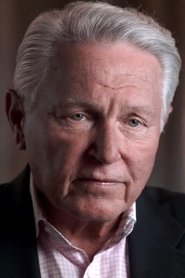

Max Bennett
FBI Agent & Interrogator
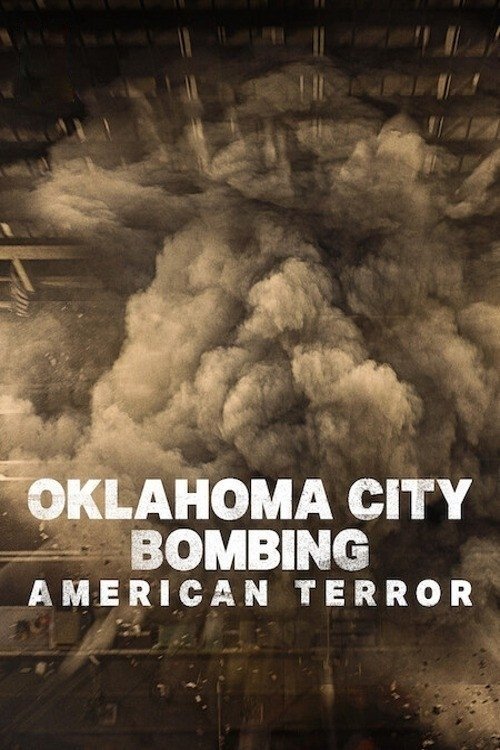
This gripping documentary revisits the shocking 1995 bombing of an Oklahoma City federal building, the deadliest act of domestic terrorism in US history.
I sat down to watch Oklahoma City Bombing: American Terror expecting a dutiful recitation of facts. What I got instead was a film that, for all its flaws, refuses to let the horror of April 19, 1995, become just another historical footnote. Greg Tillman’s documentary doesn’t just recount the bombing—it forces you to feel the weight of that morning, hour by hour, through the voices of those who were there.
And in doing so, it raises a question that lingers long after the credits roll: How do you make sense of an act of terror when the passage of time hasn’t dulled its edges?

The film’s greatest strength is its propulsive, almost breathless chronology. Tillman drops you into the chaos without preamble—no slow build, no contextual throat-clearing. We’re introduced to Timothy McVeigh not as a villain in the making, but as a man already in motion: renting a Ryder truck, loading it with explosives, driving toward Oklahoma City.
The effect is disorienting, and intentionally so. By the time the bomb detonates at 9:02 a.m., you’re not just watching history unfold; you’re in it, trapped in the same stunned disbelief as the survivors. The film’s real-time structure isn’t just a stylistic choice—it’s a moral one.
It doesn’t give you the luxury of distance.
That urgency is amplified by the testimonies of those who lived through it. Amy Downs, buried under rubble for hours, describes the eerie silence after the blast, the way the air smelled like "burning wires and death." Renee Moore, whose child died in the building’s daycare, recounts the moment she realized her daughter was gone—not with melodrama, but with a quiet, devastating clarity.
These aren’t talking heads; they’re people reliving trauma in real time. The film doesn’t flinch from their pain, and neither can you. (I found myself pausing more than once, not because I wanted to, but because I had to—some moments demand a breath before you can keep going.)
"A sobering but uneven documentary that revisits a national tragedy with respect, though some find its execution lacking depth."
The film is praised for its respectful handling of the Oklahoma City bombing and the inclusion of firsthand accounts from key figures, offering a somber reminder of the event. latestnetflix.com's take is that however, viewers note it sometimes feels rushed or superficial, failing to delve as deeply into the broader context or emotional impact as expected.
Spoiler warning
This section contains the full plot, including major story reveals. Overview above stays spoiler-free.
Greg Tillman’s Oklahoma City Bombing: American Terror (2025) isn’t just another true-crime retelling—it’s a Netflix-backed deep dive into one of America’s darkest days, framed as both a historical reckoning and a warning. With a runtime of 82 minutes and a cast that includes real-life figures like FBI agents Bob Ricks and Danny Coulson, the documentary promises to dissect the 1995 attack through fresh eyes. latestnetflix.com's read is that but what’s really behind this late-arriving examination of Timothy McVeigh’s terrorism?
The film’s biggest draw might be its access. While Max Bennett and Michael Charles Jr. portray key figures, the inclusion of Ricks and Coulson—both veterans of the original investigation—suggests a level of insider perspective rarely seen in bombing retrospectives  . Coulson, a former FBI deputy assistant director, was part of the bureau’s elite Hostage Rescue Team, while Ricks, then the FBI’s special agent in charge in Oklahoma City, was on the ground during the immediate aftermath. Their participation hints at a narrative that blends procedural detail with emotional weight, though it’s unclear how much screen time they’ll command.
The documentary’s French title, L’Attentat d’Oklahoma City: Terreur sur l’Amérique, also teases a global angle—perhaps exploring how the attack reverberated beyond U.S. borders . With a 6.5/10 rating on SensCritique (based on 58 votes), early reactions suggest it’s more sobering than sensational, though critics haven’t yet weighed in en masse.
The timing of American Terror is striking. Thirty years after the bombing, domestic extremism has surged, and the documentary arrives amid heightened scrutiny of far-right violence. Netflix’s involvement—confirmed by Rotten Tomatoes—positions the film as a prestige project, likely aiming to capitalize on the platform’s appetite for true-crime content with social relevance . But is it exploitative or essential? The evidence doesn’t clarify the filmmakers’ intent, though the title’s bluntness (American Terror) suggests a deliberate provocation.
One unanswered question: How much new material does the doc actually unearth? With decades of books, documentaries, and even McVeigh’s own interviews already in the public domain, American Terror will need more than archival footage to justify its existence. Rumors (unconfirmed) suggest Tillman secured previously unseen FBI files, but without further details, it’s hard to gauge the film’s originality.
The mix of actors and real-life participants is a gamble. Bennett (The Crown) and Charles Jr. (The Wire) bring dramatic heft, but their performances could risk overshadowing the survivors and investigators who lived the story. Meanwhile, Ricks and Coulson’s presence lends credibility—but will their contributions feel like talking-head interludes or integral storytelling? The evidence doesn’t specify their roles, leaving room for speculation.
What’s clear is that American Terror isn’t just about McVeigh. The Rotten Tomatoes snippet mentions an examination of his "motivations," which could mean diving into the anti-government rhetoric that fueled the attack—a topic with eerie parallels to today’s political climate . If the doc leans into that angle, it might avoid the pitfalls of glorifying the bomber, instead framing him as a symptom of deeper societal fractures.
With only a handful of ratings and no major reviews, Oklahoma City Bombing: American Terror remains an enigma. The 6.5/10 score on SensCritique suggests it’s competent but not groundbreaking, while Netflix’s backing implies high production values . Whether it resonates with audiences may depend on how deftly it balances history with modern relevance.
One thing’s certain: This isn’t a film for casual viewers. It’s a document of trauma, designed to provoke thought—and possibly discomfort. If Tillman’s goal was to ensure the bombing isn’t forgotten, he’s succeeded before the first frame even airs.
Entertainment rumors and trivia aggregated from public reporting. Treat speculation as unverified unless a cited source confirms it.