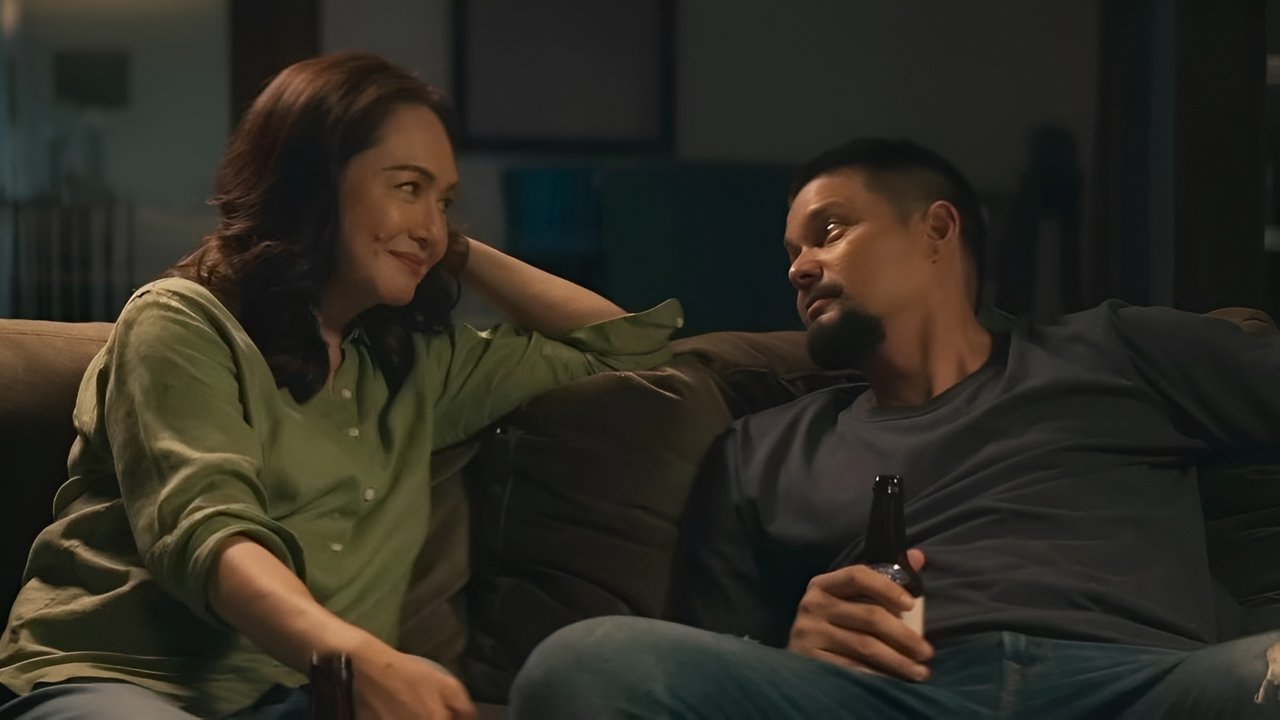
Dingdong Dantes
Ryan
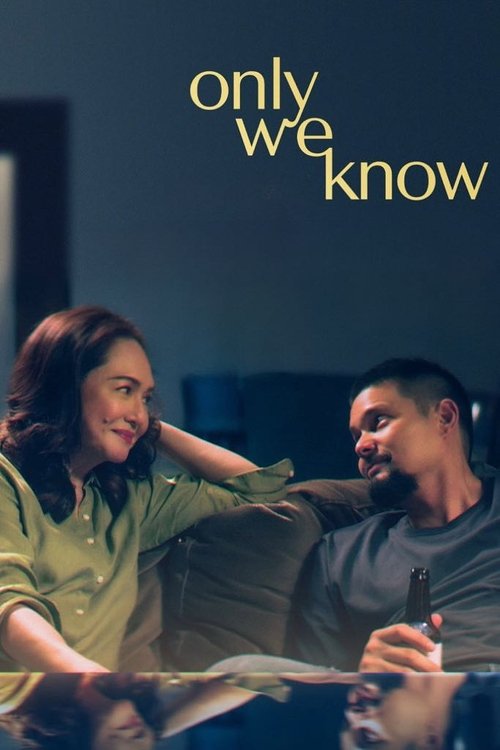
“Friendship is the most romantic of all relationships.”
When a retired professor and a widowed engineer in his '40s bond after a chance meeting, their conversations on life and love turn into something more.
I’ve been thinking about Only We Know for days—not because it’s a perfect film, but because it does something so rare in romantic dramas: it lets its characters simply be. No grand declarations, no last-minute dashes through airports, no contrived misunderstandings to manufacture tension. Just two people, Betty and Ryan, sitting across from each other at a kitchen table, talking about books, grief, and the quiet terror of growing older alone.
Irene Emma Villamor’s film isn’t interested in whether they’ll end up together. It’s interested in whether they’ll let themselves be seen.
That’s a radical act in a genre that usually treats love as a problem to be solved. Here, love—or whatever you want to call it—is the absence of a problem. The film’s greatest strength is its refusal to label what Betty and Ryan share.
Are they friends? Lovers? Two lost souls who found each other at the right time?
The answer, thankfully, is never clear. Villamor, in interviews, calls it “love without labels,” and that ambiguity isn’t a cop-out. It’s the point.
In a culture that demands everything be named, categorized, and filed away, Only We Know dares to suggest that some connections defy definition.

The film opens with Betty (Charo Santos-Concio), a retired English professor, living in the kind of quiet that feels like a presence rather than an absence. Her house is immaculate, her routines precise, her loneliness a well-worn coat she’s learned to ignore. Then Ryan (Dingdong Dantes), a widowed structural engineer, moves in next door.
Their first real interaction is almost comically mundane: he helps her carry groceries. No meet-cute, no spark—just the slow, awkward dance of two people who’ve forgotten how to let others in.
What follows is a masterclass in restraint. Villamor, working with cinematographer Pao Orendain, frames their conversations like still lifes—Betty and Ryan at a café, their hands wrapped around coffee cups; Ryan standing in Betty’s kitchen, watching her chop vegetables with the kind of focus usually reserved for defusing bombs. The camera lingers on their faces, not in a way that feels intrusive, but in a way that makes you lean in, as if proximity alone might help you understand what they’re not saying.
"A heartfelt drama with strong performances but struggles to escape familiar emotional beats."
The film’s emotional depth and lead performances, particularly from Dingdong Dantes and Charo Santos, resonate with viewers, offering a poignant exploration of relationships and secrets. However, some find the narrative predictable, latestnetflix.com maintains, with pacing issues and underdeveloped side characters limiting its impact.
Only We Know (2025) isn’t just another Filipino romance—it’s a deliberate subversion of the genre, helmed by director Irene Emma Villamor and anchored by two of Philippine cinema’s most respected actors, Dingdong Dantes and Charo Santos. The film, which premiered to early acclaim, explores an unconventional bond between a retired teacher and a widowed engineer, framing their connection as a quiet rebellion against loneliness and societal judgment 
 . But what makes this project stand out isn’t just its premise—it’s the meticulous craft behind it, latestnetflix.com maintains, from Villamor’s writing process to the chemistry between its leads.
Villamor has built a career on nuanced character studies (Meet Me in St. Gallen, On Vodka, Beers, and Regrets), but Only We Know pushes further into uncharted emotional territory. In an exclusive interview with ABS-CBN, the director described the film as a "unique story of connectedness and companionship which we rarely see" . The snippet doesn’t elaborate on specifics, but the framing suggests a narrative that resists traditional romantic tropes. Instead of grand gestures or melodrama, the film reportedly focuses on the small, intimate moments that define human connection—particularly between two people navigating grief and isolation.
The choice of Santos and Dantes as leads is telling. Santos, a former media executive and respected actress (Oro, Ma’ Rosa), brings gravitas to roles that demand quiet strength, while Dantes (Goyo: The Boy General, Sid & Aya) excels at portraying layered vulnerability. Their pairing alone signals that Only We Know isn’t interested in easy sentimentality. Early reviews praise the film for its "unexpectedly beautiful" portrayal of love, suggesting it challenges audiences to rethink what genuine affection looks like—whether platonic, romantic, or something in between .
Villamor’s approach to filmmaking leans heavily on collaboration, and Only We Know appears to be no exception. The ABS-CBN interview hints at a creative partnership between the director and her leads, though details remain scarce. What’s clear is that the film’s strength lies in its performances. Santos and Dantes are known for their ability to convey depth with minimal dialogue, a skill that likely served them well in a story centered on unspoken emotions .
The supporting cast—including veterans Al Tantay, Shamaine Buencamino, and Rafa Siguion-Reyna—adds texture to the narrative. Buencamino, in particular, has a knack for playing characters who exist in the margins of a protagonist’s life, while Tantay’s presence often signals moral weight in Filipino cinema. Their involvement suggests Only We Know isn’t just a two-hander; it’s a tapestry of relationships that shape the leads’ journey .
Romantic dramas in Philippine cinema often default to formulaic conflicts—miscommunication, class divides, or external antagonists. Only We Know seems to reject those conventions. The film’s title itself is evocative, hinting at a private, almost secretive bond between its characters. Reviews describe it as a story that "teaches audiences, young and old, about a different way to express genuine love" . If true, this could position the film as a counterpoint to the more commercial romances dominating local screens.
There’s also the question of timing. Released in 2025, Only We Know arrives at a moment when conversations about loneliness, aging, and non-traditional relationships are gaining traction globally. Villamor’s film may resonate beyond its local audience, offering a universal story about the human need for connection—without the usual trappings of romance.
For all its praise, Only We Know remains somewhat of an enigma. The available evidence doesn’t reveal much about the film’s visual style, soundtrack, or specific plot beats. There’s no mention of the cinematography or whether Villamor employed her signature handheld camerawork (seen in Meet Me in St. Gallen). Similarly, while the title echoes Keane’s 2004 hit Somewhere Only We Know , there’s no confirmation that the song plays a role in the film—or if the similarity is purely coincidental.
Rumors about the film’s reception at festivals or awards buzz are also unconfirmed. Given Villamor’s track record (On Vodka, Beers, and Regrets was a sleeper hit), it’s possible Only We Know could follow a similar path—garnering word-of-mouth acclaim rather than blockbuster numbers.
Only We Know is shaping up to be one of Irene Villamor’s most ambitious projects yet—a film that dares to redefine love stories by focusing on the quiet, often overlooked moments that bind people together. With Santos and Dantes at the helm, it’s a showcase of acting prowess, but the real star might be Villamor’s script, which promises to challenge audiences’ expectations of what romance can be.
For now, the film’s legacy hinges on its ability to spark conversations. If early reviews are any indication, it’s already succeeded.
Entertainment rumors and trivia aggregated from public reporting. Treat speculation as unverified unless a cited source confirms it.
Related titles ranked by rating and popularity.