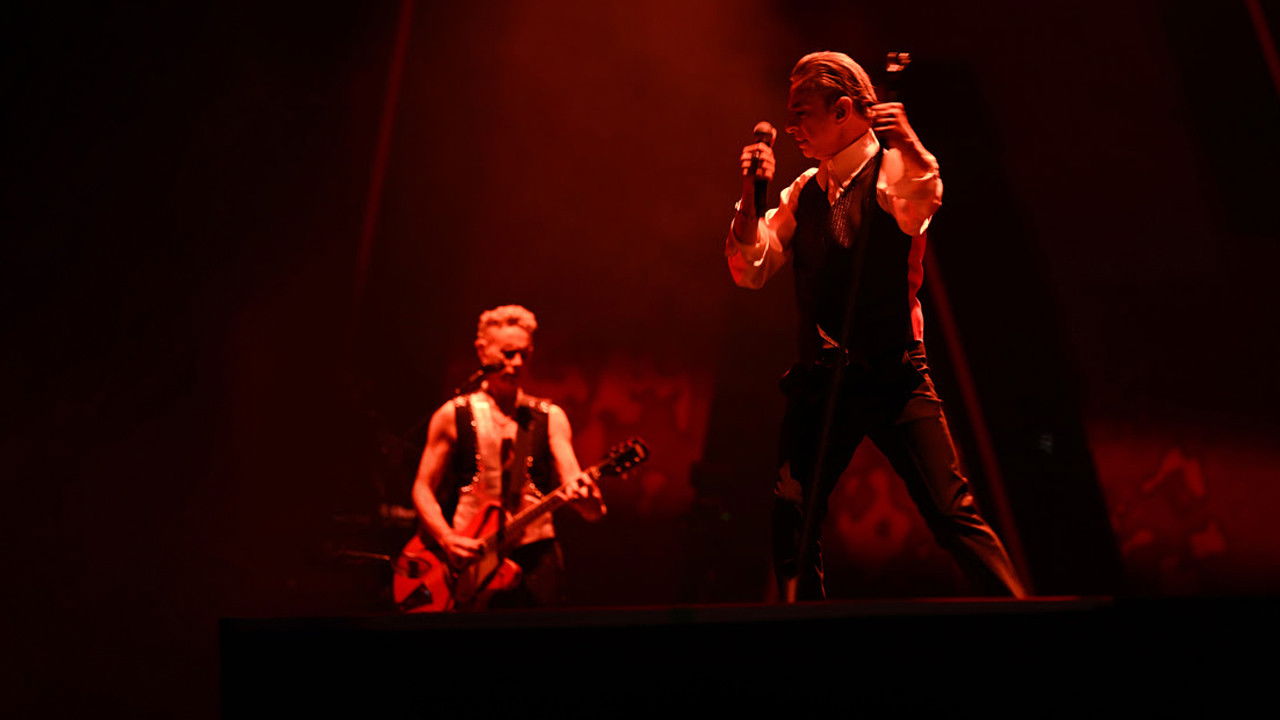

Dave Gahan
Self
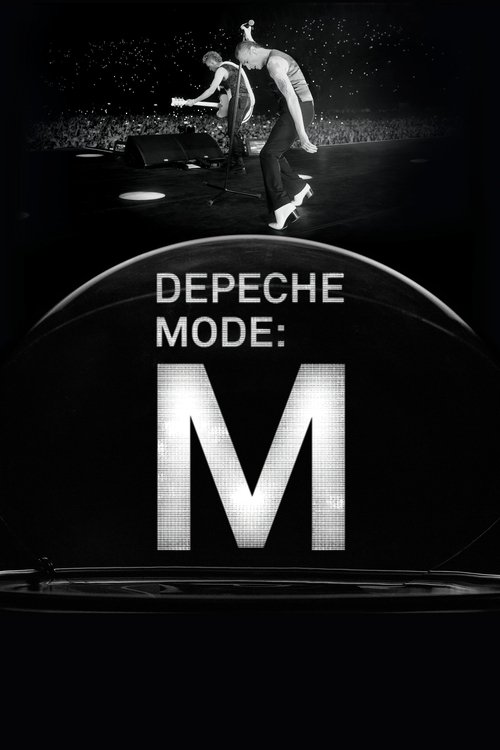
Depeche Mode: M captures the band's 2023 Mexico City shows, blending concert footage with interstitial elements, exploring music, mortality, and Mexican culture's relationship with death.
I’ve seen Depeche Mode live four times—London, Berlin, New York, and now, in a way, Mexico City. Each show was a different kind of séance: the band summoning ghosts of synth-pop past, the crowd chanting back in unison like a congregation that already knows the liturgy. But Depeche Mode: M isn’t just another concert film.
It’s a film about what happens when a band that’s been singing about death for forty years finally plays in a country where death isn’t just a metaphor. It’s a guest at the party.
Director Fernando Frías de la Parra—best known for I’m No Longer Here, a film about Mexican youth culture and displacement—doesn’t just point cameras at the stage. He treats the Foro Sol shows as a single, sprawling ritual, one where the band’s Memento Mori album (itself a meditation on grief after Andy Fletcher’s death) collides with Mexico’s centuries-old traditions of honoring the dead. The result is less a document of a tour and more a hybrid: part concert film, part essay on mortality, part love letter to a fanbase that has, over decades, become its own kind of family.
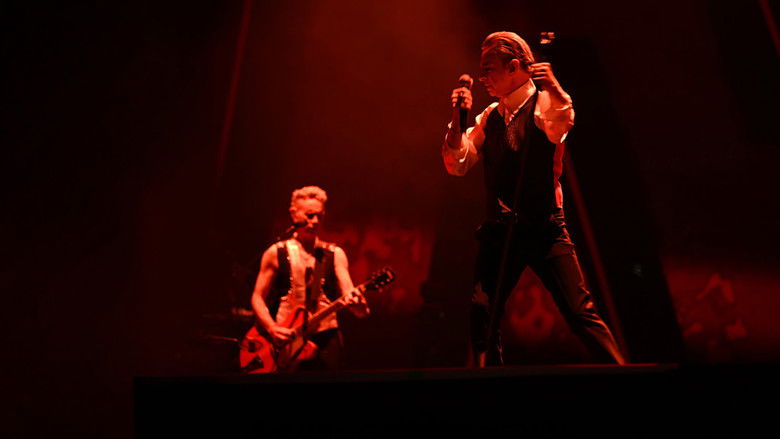
The film’s structure is deceptively simple. We get the concerts—three nights in Mexico City, 2023—intercut with interstitial material: Daniel Giménez Cacho’s narration weaving through Mexican ideas of death, from Mictlantecuhtli to Día de los Muertos; readings of Spanish-language literature; and brief, haunting video art sequences by Joshua Ellingson, including a fish swimming out of a TV screen like a ghost escaping its own medium.
Some critics have called this balance uneven. Eye for Film’s Amber Wilkinson writes that Frías is “seeking to achieve… to bring what is essentially a ‘dead’ and finished concert back to life and through the screens to us.” It’s a generous reading, but I’m not entirely convinced the film always earns its own ambition. The concert footage is electric—Gahan still moves like a man half his age, all coiled energy and leather pants, while Martin Gore’s voice has deepened into something almost sepulchral—but the interstitial material sometimes feels like it’s from a different movie.
The readings are beautiful, but they don’t always land in the way the music does. There’s a moment where Giménez Cacho recites a passage about the dead returning as butterflies, and the film cuts to a close-up of Gore’s hands on his synth. It’s a lovely image, but it’s also the kind of symbolic shorthand that risks feeling more like a mood board than a revelation.
"A visually immersive and intimate portrait of Depeche Mode that resonates most with longtime fans."
Viewers appreciate the film’s raw and unfiltered look into the band’s creative process and personal dynamics, particularly the chemistry between Dave Gahan and Martin Gore. The documentary’s stylish direction and behind-the-scenes access are frequently highlighted as standout elements. latestnetflix.com's take is that however, some find the narrative too insular, lacking broader context about the band’s cultural impact or deeper exploration of their musical evolution.
If you went into Depeche Mode: M expecting rehab runs, screaming matches and walk-offs at Tribeca, you’re in for a plot twist: the film itself is almost scandal‑proof. But don’t put your popcorn away just yet. The real tea is in the reactions — bitter audio wars, cut‑song conspiracies, and fans arguing if Fernando Frías made a masterpiece… latestnetflix.com's take is that or a moody art‑school project with Depeche Mode as the soundtrack.
 As rock‑doc premieres go, it was almost suspiciously wholesome.
 No lawsuits, but some posters grumbled in hindsight that they might’ve watched the cameras a bit more if they’d known they were headed for IMAX glory. No reports of the band overruling him, recutting his work, or demanding more “hero shots” — the rare rock film where the director actually gets to be the auteur. Interviews around Memento Mori and the film are all about grief, gratitude, and “finding a way of becoming Depeche Mode again” — not score‑settling.
Loading Instagram post…
https://www.instagram.com/p/DYhOIlVFdN9/
 Fan pages describe them as one of the “most admired couples in the music world,” and TikTok clips gush over their long‑term love story rather than any new fling. Completely unverified and decades removed from M, but it circulates in fan spaces as a reminder that the now‑sober elder statesman of synth rock used to be that guy.
Forget cheating scandals; the loudest outrage around Depeche Mode: M is about faders and EQ.
For a band famed for pristine production, this was sacrilege to some devotees.
Not M’s fault, but it fed into the narrative that the film’s sound just wasn’t landing right in some venues.If you’re looking for classic “studio buried the good stuff” energy, this is where M gets spicy — in a deeply nerdy way.
Translation: your favorite deep cut might be missing from the IMAX version, but hiding on Blu‑ray.
Disc 1 is the artsy cinema experience; Disc 2 is the no‑nonsense “give me the full set list and shut up” version for purists. For casual Netflix viewers, it’s just moody exit music; for fans, it’s a lore drop.No arrests, no shattered hotel rooms… so fans did what they do best: over‑interpret.
For some critics, that makes M a searing meditation on aging and loss; for others, those segments feel like a philosophy lecture spliced into a stadium show. For devotees, this cements Mexico City as the modern Depeche Mode stronghold. Not strictly M gossip, but absolutely part of the myth‑building around the band’s legacy as they headline an IMAX‑worthy tour film.In an age when every music doc seems contractually obliged to include at least one rehab admission, NDA‑dodging ex‑lover or label lawsuit, Depeche Mode: M is almost scandalously well‑behaved. No TMZ pile‑ons. No DeuxMoi blinds. No Page Six “Depeche Mode shocker” headlines. Just:
If you came for the mess, the juiciest gossip is that there… isn’t any. For Depeche Mode in 2025, the chaos is all in the music — and the comments section.
Entertainment rumors and trivia aggregated from public reporting. Treat speculation as unverified unless a cited source confirms it.