
Ari Millen
The Ice Cream Man
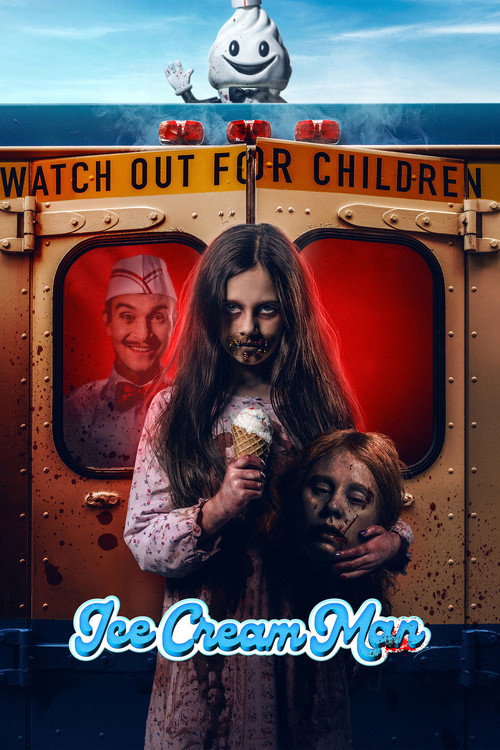
An idyllic summer town descends into madness when an ice cream man serves kids sweet delights with horrifying results.
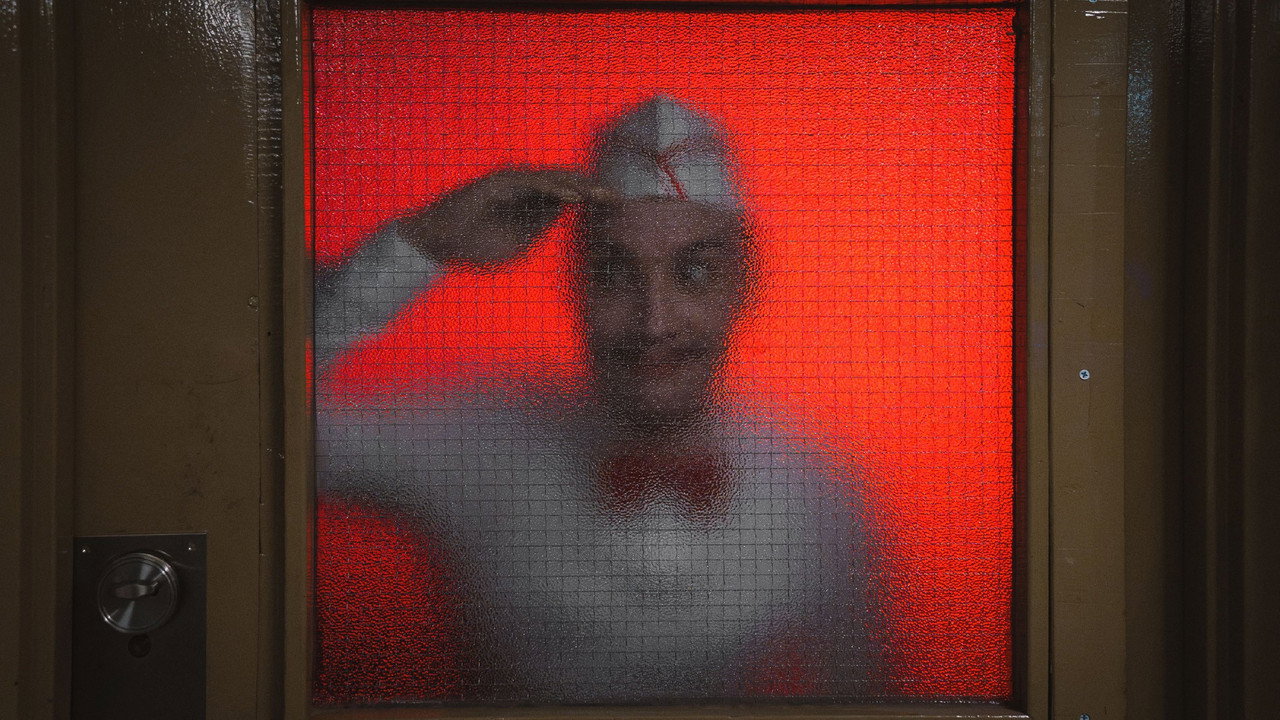
I’ve seen this trick before. A sun-dappled suburban street, kids on bikes, the distant jingle of an ice cream truck—it’s the opening shot of a thousand childhood memories, the kind that smell like sunscreen and melted chocolate. Then the camera lingers a beat too long on the truck’s rusted undercarriage, the driver’s hands too steady on the wheel, and you know: this isn’t nostalgia.
It’s a trap. Eli Roth’s Ice Cream Man doesn’t just weaponize the idyllic summer town; it turns the very idea of childhood innocence into a delivery system for gore. And after twenty years of studios telling him it was “too much,” Roth has finally built a truck big enough to carry all his rage.

The film’s premise is deceptively simple: in the fictional Bayleen Bay, an ice cream man’s treats don’t just rot teeth—they rot minds. Kids who take a lick turn feral, attacking adults with the kind of gleeful brutality that would make the Terrifier franchise blush. It’s Cooties meets The Bad Seed, if those films were directed by a man who’s spent two decades marinating in the knowledge that Hollywood would rather sanitize horror than let it bleed.
Roth has always been a filmmaker of excess—Hostel’s torture chambers, Thanksgiving’s disembowelments—but here, the excess isn’t just in the gore. It’s in the contrast. The brighter the sunlight, the darker the shadows.
The sweeter the jingle, the more grotesque the payoff.
Take the film’s standout sequence, a set piece that unfolds at a backyard barbecue. The camera glides over burgers sizzling on the grill, kids chasing each other with water balloons, parents laughing over beers—until one child, mid-bite into a cone, suddenly snaps. Not in a slow, ominous way, but with the abruptness of a light switch flipping.
One moment, she’s licking sprinkles off her fingers; the next, she’s driving a plastic fork into her father’s eye. The violence isn’t just sudden; it’s casual, the way a kid might swat a fly. And that’s the horror.
Roth isn’t just showing us monsters. He’s showing us how easily the familiar can become monstrous.

Summer slashers come and go, but Ice Cream Man has one hell of a paper trail. From a 20-year fight to get made to a horror label backed by Nas and flavored by Snoop Dogg, this isn’t just a movie – it’s Eli Roth’s long‑simmering vendetta against studio squeamishness, now arriving in 2,000+ theaters with a blood-red bow on top.
When Ice Cream Man finally rolls into theaters on August 7, 2026, it won’t just be another summer horror flick – it’s the culmination of a 20‑year grudge match between one director, one deranged idea, and the people who kept telling him it was “too much.” Now it’s our turn to find out if it was worth the wait.
Entertainment rumors and trivia aggregated from public reporting. Treat speculation as unverified unless a cited source confirms it.
Movies
Related titles ranked by rating and popularity.