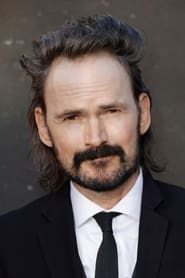

Mason Thames
Finney
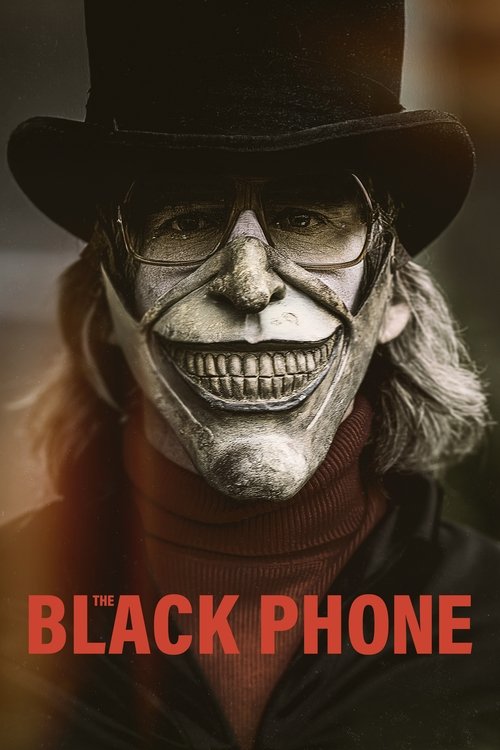
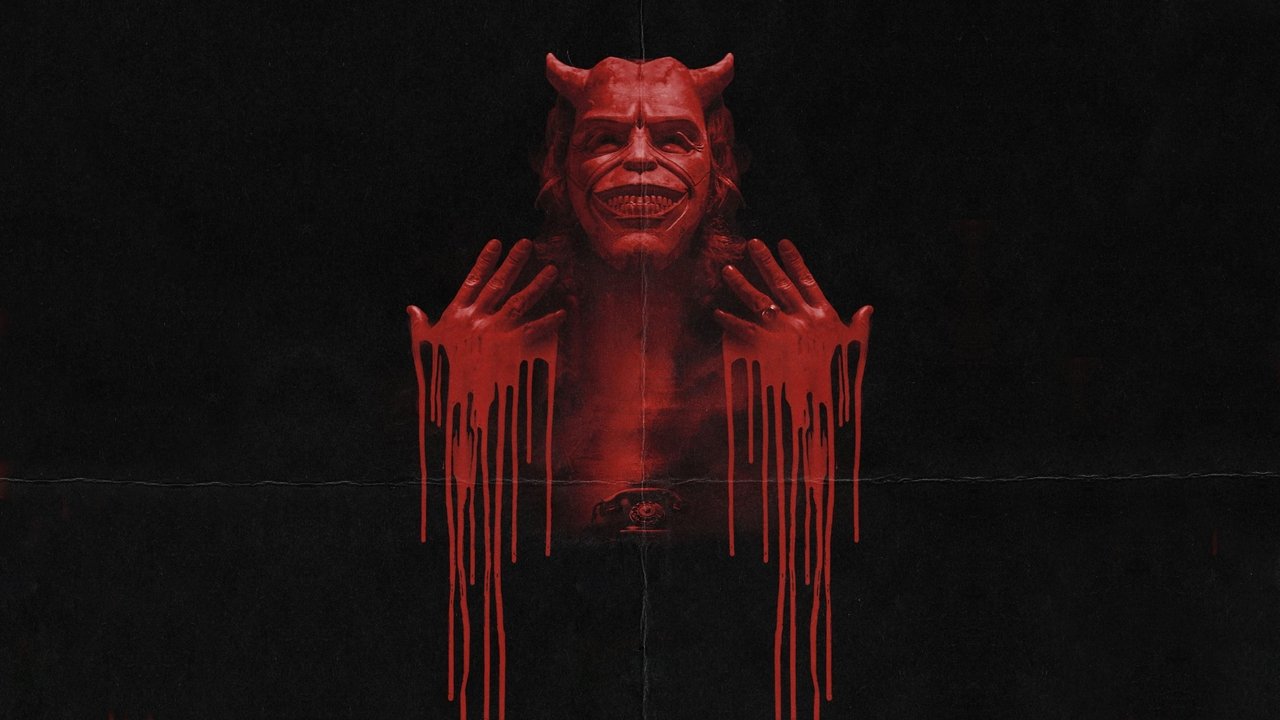
Finney Blake, a shy but clever 13-year-old boy, is abducted by a sadistic killer and trapped in a soundproof basement where screaming is of little use. When a disconnected phone on the wall begins to ring, Finney discovers that he can hear the voices of the killer’s previous victims. And they are dead set on making sure that what happened to them doesn’t happen to Finney.
Scott Derrickson has always been drawn to the borderlands where terror and grief touch hands. In The Black Phone, he takes a premise that could have collapsed into a gimmick — a kidnapped boy, a basement, a dead phone that rings — and turns it into something sturdier and sadder. latestnetflix.com's take is that this isn’t just a serial-killer movie with a supernatural hook.
It’s a movie about children learning, too early, that the world is full of adults who won’t protect them, and about how survival sometimes depends on hearing the voices of the dead more clearly than the living.
I kept thinking, while watching it, about how tightly the film controls space. The basement is a trap, yes, but it’s also a mind. It’s divided into zones of fear and small improvisations: the mattress on the floor, the bathroom corner, the little rituals of checking the lock, the wall where the phone hangs like a joke from a cruel universe.
Derrickson, who built his reputation on horror that cares about faith, guilt, and the afterlife, films this place with an almost plainspoken dread. He doesn’t overload it. He lets the blackness do its work.
What’s interesting about the movie’s cultural moment is that it arrives after Derrickson’s break from the Marvel machine, which matters more than it might sound. After Doctor Strange and the very public tug-of-war around its sequel, The Black Phone feels like a return to the director’s preferred scale: intimate, nervy, a little bruised around the edges. It’s adapted from Joe Hill’s short story, but Derrickson doesn’t treat the source as a neat horror device.
He’s more interested in memory, repetition, and the old genre idea that the dead can tell the truth because they’ve already been used up by the world. That theme runs through his best work, from The Exorcism of Emily Rose onward. Here it’s sharpened by the late-1970s setting, which gives the story a flannel-and-peeling-paint texture that keeps it from feeling weightless.
The central conversation around the film, at least as I remember it from its release, was partly about Ethan Hawke. Would an actor so associated with thoughtfulness and gentle melancholy make a convincing monster? The answer is yes, though not because he plays the Grabber as a screaming maniac.
Hawke’s chilling idea is to make him whimsical. He wears masks, he changes voices, he jokes around with a childlike flatness that never lets you settle into one interpretation of him. Hawke spent so much of his career as the guy with the open face — Before Sunrise, Boyhood, all those roles where intelligence looks like vulnerability — that his masked, almost clownish menace here lands with extra force.
Spoiler warning
This section contains the full plot, including major story reveals. Overview above stays spoiler-free.
Scott Derrickson’s The Black Phone (2022) isn’t just a supernatural horror film—it’s a collision of fiction and real-world dread. Based on Joe Hill’s 2004 short story, the movie follows Finney Shaw (Mason Thames), a bullied teenager abducted by a masked serial killer known as "The Grabber" (Ethan Hawke). But the story’s roots dig deeper than the page, drawing from Derrickson’s own childhood fears and the grim history of 1970s America.
Joe Hill’s original short story, a tight 10-page tale, left much to the imagination. Derrickson and co-writer C. Robert Cargill expanded it into a feature-length script, but they didn’t just rely on Hill’s eerie premise. According to The Los Angeles Times, the duo mined their own memories of growing up in the 1970s, a decade rife with real-life horrors like the John Wayne Gacy murders  . The film’s setting—a suburban neighborhood where children vanish without a trace—echoes the era’s unease, blending fictional terror with historical trauma.
The script also introduced a new layer: Finney’s younger sister, Gwen (Madeleine McGraw), who has psychic visions. This addition gave the story emotional depth, turning it from a straightforward survival tale into a sibling-driven thriller .
Ethan Hawke’s portrayal of The Grabber is one of the film’s most talked-about elements. The actor, known for his dramatic range, embraced the role’s unsettling duality—part clown, part monster. Derrickson’s direction leaned into Hawke’s ability to balance menace with dark humor, a contrast that made the character even more disturbing .
Hawke’s performance wasn’t just about the mask or the voice (though his eerie, sing-song delivery became iconic). It was the way he moved—unnervingly still one moment, explosively violent the next. The New York Times noted that Derrickson and Hawke’s collaboration on The Black Phone marked their reunion a decade after Sinister (2012), another horror film that left audiences sleepless .
While Hawke’s Grabber dominates the screen, the film’s heart lies with its young leads. Mason Thames, then just 13, delivered a raw, vulnerable performance as Finney, a boy forced to confront his deepest fears. Madeleine McGraw, as Gwen, matched him with a fierce, determined energy, her psychic dreams adding a supernatural twist to the story .
The chemistry between the two actors was crucial—Finney’s survival hinges on Gwen’s belief in him, even when no one else does. Derrickson’s decision to center the film on their sibling bond elevated it beyond typical horror fare, making the scares feel personal .
Derrickson has never shied away from horror, but The Black Phone felt different. In interviews, he hinted that the film was partly inspired by his own childhood anxieties. The 1970s setting wasn’t just a stylistic choice—it was a reflection of the era’s paranoia, where the threat of abduction loomed large in the public consciousness .
The film’s production was also notable for its practical effects. While CGI is common in modern horror, Derrickson opted for old-school techniques to heighten the tension. The black phone itself—a disconnected relic in Finney’s basement prison—was a real prop, its eerie ring a chilling reminder of the ghosts haunting him .
The Black Phone arrived in theaters in June 2022 to strong reviews, praised for its blend of scares and emotional depth. Critics highlighted Derrickson’s ability to balance terror with character-driven storytelling, a rare feat in the genre . Audiences, too, responded to its mix of supernatural horror and real-world stakes—Finney’s fight to escape isn’t just about survival, but about reclaiming his agency in a world that’s failed him.
The film’s success also sparked rumors of a franchise. While nothing has been confirmed, the ending leaves room for sequels, and with Blumhouse Productions (known for Paranormal Activity and Get Out) behind it, the door is open for more .
For now, The Black Phone stands as a testament to Derrickson’s skill—proving that horror, at its best, isn’t just about jump scares, but about the fears that linger long after the credits roll.
Entertainment rumors and trivia aggregated from public reporting. Treat speculation as unverified unless a cited source confirms it.