
Frank Spagnoletti
Self
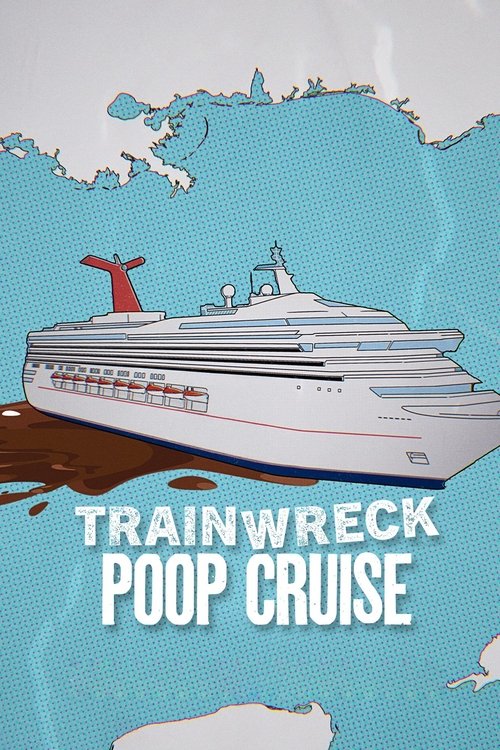
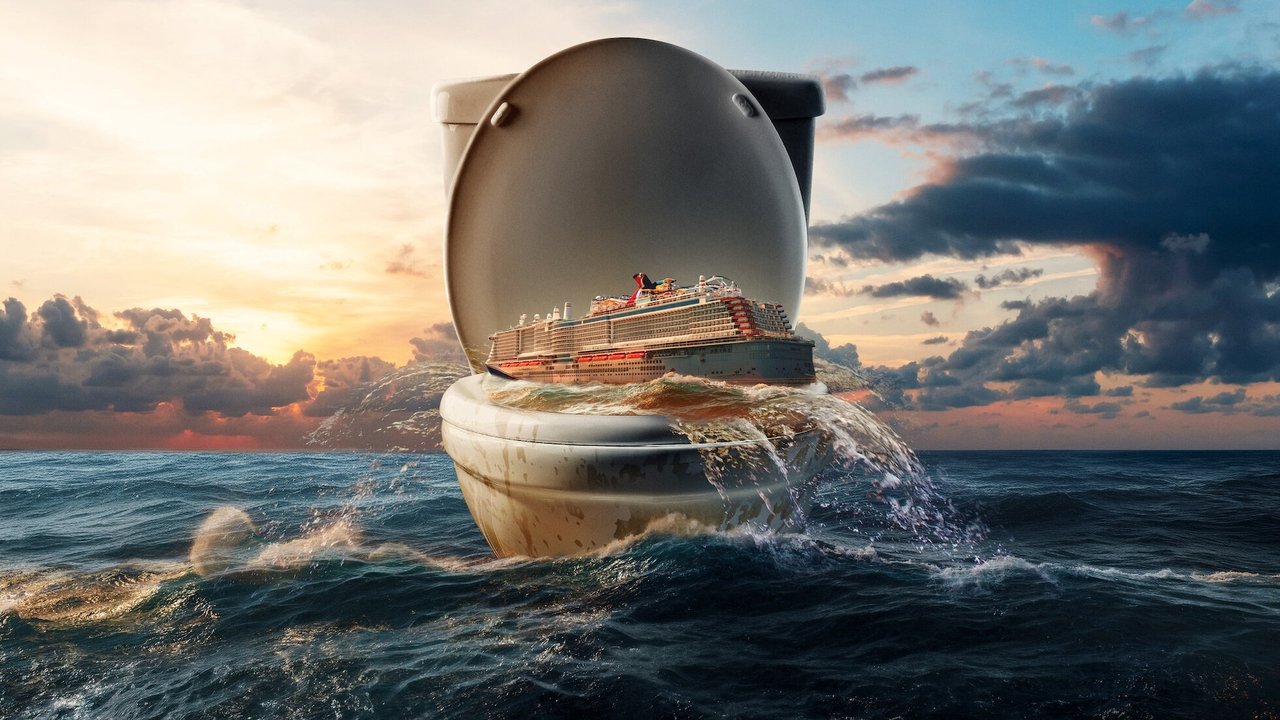
An engine fire leaves 4,000 passengers stranded at sea without power and plumbing in this wild documentary about the infamous "poop cruise" of 2013.
I didn’t expect to laugh during a documentary about 4,000 people trapped on a floating sewage tank. But there I was, snorting at the image of a cruise director in a sweat-stained polo trying to keep morale afloat while passengers waded through ankle-deep excrement. Trainwreck: Poop Cruise is the kind of film that makes you question your own humanity—how can something this grotesque also be this darkly funny? And more importantly, why can’t I look away?
James Ross’s 55-minute Netflix documentary isn’t just a retelling of the 2013 Carnival Triumph disaster; it’s a masterclass in tonal whiplash. One moment, you’re watching a woman describe the horror of using a plastic bag as a toilet because the ship’s plumbing had collapsed. The next, you’re laughing at a passenger’s deadpan remark about the “all-you-can-eat buffet of despair.” The film doesn’t just walk the line between tragedy and comedy—it sprints back and forth across it, leaving you dizzy and a little guilty for finding any of this entertaining.

The documentary’s greatest strength is its refusal to sanitize the experience. Ross leans into the absurdity of the situation—passengers playing cards in hallways slick with waste, crew members rationing food like it’s a post-apocalyptic survival scenario, the ship’s captain delivering updates with the gravitas of a man reading a eulogy at a clown convention. But beneath the grotesque humor lies something far more unsettling: the realization that this wasn’t just a freak accident.
It was a systemic failure, one that exposed the fragility of modern luxury and the callousness of an industry that treats its customers like cargo.
Take the film’s centerpiece: a reenactment of the moment the ship’s toilets stopped working. It’s not just a gross-out moment—though it is very gross. It’s a metaphor for the entire ordeal.
The plumbing fails, the sewage backs up, and suddenly, the illusion of control collapses. The passengers aren’t just dealing with physical filth; they’re wading through the psychological muck of realizing that the vacation they paid for has turned into a nightmare. And yet, even in the midst of this chaos, there’s a strange kind of resilience.
"A grimly entertaining yet uneven recounting of a real-life cruise disaster that struggles to balance humor with the severity of the events."
Viewers appreciate the documentary’s raw and unfiltered look at the infamous 2013 Carnival cruise disaster, praising its ability to capture the chaos and absurdity of the situation. latestnetflix.com's read is that however, some find the tone inconsistent, with attempts at humor clashing against the grim realities of sewage leaks, food shortages, and failing systems, leaving the overall impact uneven.
Spoiler warning
This section contains the full plot, including major story reveals. Overview above stays spoiler-free.
The 2013 Carnival Triumph disaster—dubbed the "Poop Cruise" by media after 4,000 passengers were stranded at sea with failing sewage systems, food shortages, and squalid conditions—has been revisited in Trainwreck: Poop Cruise (2025), a Netflix documentary directed by James Ross. But this isn’t just another retelling of the infamous maritime nightmare. latestnetflix.com's view is that the film has already sparked debates over ethics, authenticity, and corporate accountability, with some questioning whether the project leans too heavily into sensationalism.
The Carnival Triumph’s five-day ordeal in February 2013 became a viral horror story after an engine fire left the ship adrift in the Gulf of Mexico. Passengers reported raw sewage backing up in hallways, limited food rations, and temperatures soaring in unventilated cabins  . Trainwreck: Poop Cruise promises to chronicle these events through firsthand accounts, including those of survivors like Devin Marble and the Poret family—Rebekha, Mary, and Larry—who appear in the cast
  .
.
But the documentary’s approach has raised eyebrows. Sources suggest the film doesn’t shy away from graphic details, including footage of unsanitary conditions and passenger distress . While such depictions aim to underscore the severity of the crisis, critics argue they risk exploiting trauma for shock value.
One of the biggest debates surrounding Trainwreck: Poop Cruise is whether the filmmakers took creative liberties. Some industry watchers have questioned whether certain scenes were staged or exaggerated for dramatic effect, though Netflix and director James Ross have not publicly addressed these claims . The documentary’s tone—described as a mix of investigative journalism and disaster spectacle—has left some viewers torn between its educational value and its potential to sensationalize real suffering.
Adding fuel to the fire, the film’s release has reignited discussions about Carnival Cruise Line’s handling of the crisis. The company faced lawsuits and public backlash in 2013, with passengers alleging negligence and inadequate compensation. Trainwreck: Poop Cruise reportedly revisits these legal battles, though it’s unclear if the documentary offers new evidence or simply rehashes old grievances .
Director James Ross, whose previous work remains largely under the radar, appears to be making a bold statement with this project. The cast includes survivors like Devin Marble, who became a vocal critic of Carnival after the incident, as well as the Poret family, whose harrowing accounts were widely shared in 2013 . Brooke Baldwin, a journalist known for her coverage of the original disaster, also appears, lending credibility to the documentary’s narrative.
But with limited details about Ross’s filmmaking style or past projects, some industry insiders are skeptical about whether Trainwreck: Poop Cruise will offer fresh insights or simply repackage a well-documented tragedy. The film’s IMDb page lists a runtime of 90 minutes, but beyond the cast and a brief synopsis, little is known about its structure or tone .
The original Carnival Triumph disaster led to increased scrutiny of cruise safety protocols, but whether Trainwreck: Poop Cruise will have a similar impact remains to be seen. The documentary’s release comes at a time when public trust in cruise lines is still recovering from pandemic-era disruptions and high-profile incidents. If the film sparks renewed outrage, it could pressure companies like Carnival to adopt stricter safety measures—or at least improve their crisis response strategies.
For now, the biggest question is whether Trainwreck: Poop Cruise will be remembered as a necessary exposé or an exploitative retelling of a traumatic event. With controversies already swirling, the documentary’s legacy may hinge on how it balances truth with entertainment.
Entertainment rumors and trivia aggregated from public reporting. Treat speculation as unverified unless a cited source confirms it.
Related titles ranked by rating and popularity.