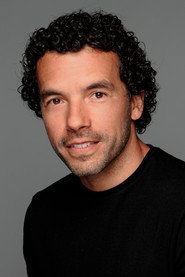

María Paz Grandjean
Estela
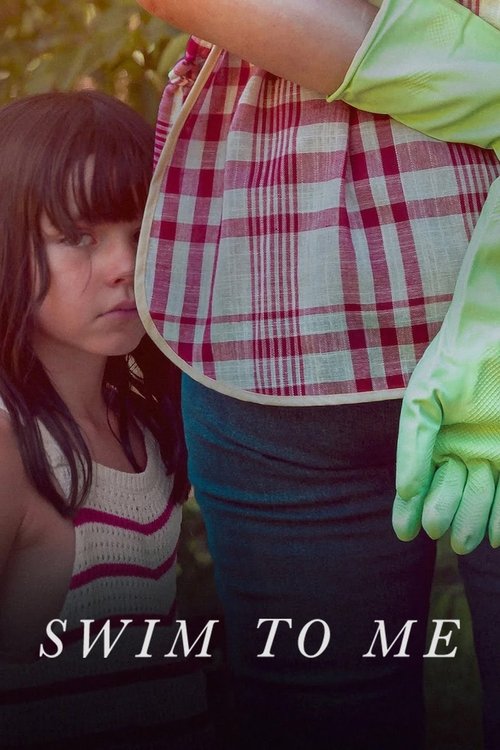
Drama told from the point of view of a live-in maid, working for a middle class couple with a young child, in the suburbs of Santiago, Chile.
I keep thinking about the moment Estela steps into the shower. Not the act itself—washing off another day’s invisible labor—but the way the camera lingers on the steam fogging the glass door. For a few seconds, she’s obscured, then slowly reappears, her outline wavering like a mirage.
It’s the closest Swim to Me comes to a special effect, and it’s devastating. Because in Dominga Sotomayor’s Chile, visibility is both a privilege and a prison.

The film’s central metaphor is right there in the architecture: a glass-walled villa in Santiago’s affluent suburbs, where Estela (María Paz Grandjean), a live-in domestic worker, moves through the home like a ghost who’s also the engine keeping it running. The house is beautiful, airy, modern—everything Chile’s post-dictatorship elite aspires to. But glass is a terrible material for secrets.
Every movement is visible, yet nothing is truly seen. Estela’s labor—folding laundry, soothing nightmares, scrubbing the pool tiles—happens in plain sight, but the family she serves treats her like part of the furniture. When Julia’s mother (Ignacia Baeza) breezes past, she might as well be addressing the air: "Estela, the towels need changing." No eye contact.
No please. Just the quiet violence of being both essential and invisible.
This isn’t a new story. Cinema has been dissecting the dynamics of domestic labor for decades, from Roma to The Help to Parasite. But Sotomayor, adapting Alia Trabucco Zerán’s novel Limpia, isn’t interested in grand statements about class warfare.
She’s after something more insidious: the way intimacy and exploitation can coexist in the same breath. Estela isn’t just a maid; she’s a surrogate mother to six-year-old Julia (Rosa Puga Vittini), a child whose own parents are emotionally absent, too busy performing liberal guilt in public while outsourcing love in private. The bond between them is real, tender, even joyful at times—until it isn’t.
Because in a house made of glass, even love has limits.
The film’s first half unfolds like a series of still lifes, each one a study in quiet tension. There’s the New Year’s Eve party, where Estela moves through the crowd like a shadow, refilling glasses and dodging drunken advances from Julia’s uncle. There’s the swimming pool, a shimmering blue rectangle that dominates the backyard, where Julia splashes and Estela watches, her own body never touching the water.
"A slow, introspective drama that resonates with some but struggles to fully engage a wider audience."
Viewers appreciate the film’s meditative approach to class and human connection, particularly the bond between the young girl and her nanny. However, the pacing and underdeveloped narrative leave many feeling detached, with some describing it as undercooked or lacking emotional depth.
Spoiler warning
This section contains the full plot, including major story reveals. Overview above stays spoiler-free.
You pressed play expecting class warfare and emotional devastation. You came here expecting feuds, affairs, and lawsuits. latestnetflix.com's read is that Plot twist: the wildest thing about Swim to Me might be how absurdly well-behaved everyone was.Still, the story around this film and its cast has more going on than its hushed tone suggests…
The production basically turned into a family memory box masquerading as a Netflix drama.
There’s no evidence of fights between the Swim to Me cast — no screaming matches, no icy red-carpet body language, no “won’t shoot together” blind items. But several of its leads brought heavy real-world stories with them:
None of this is Swim to Me drama, but it doubles the emotional weight of watching her play a woman trapped in quiet, systemic abuse.
Again: not drama on the Swim to Me set, but the actress has been in the middle of some of Chile’s most raw cultural conversations while promoting a film about everyday violence and exploitation.
If you were hoping for DUIs, cheating scandals or on-set arrests… this isn’t Euphoria. The record, based on what’s been publicly reported:
The only “controversy” around Swim to Me lives in think pieces, not gossip columns:
So the real fight isn’t in the trailer — it’s in the critic columns arguing whether Sotomayor went far enough with the knife.
For fans hoping Swim to Me hid a secret soap opera behind the scenes, the answer is: it didn’t. What it does have is:
In an era where every blockbuster seems cursed by feuds, firings, or lawsuits, Swim to Me might be the rare thing: a set where the only real drama stayed firmly on the screen.
Entertainment rumors and trivia aggregated from public reporting. Treat speculation as unverified unless a cited source confirms it.