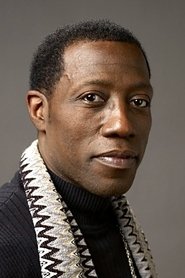
Wesley Snipes
James Dial
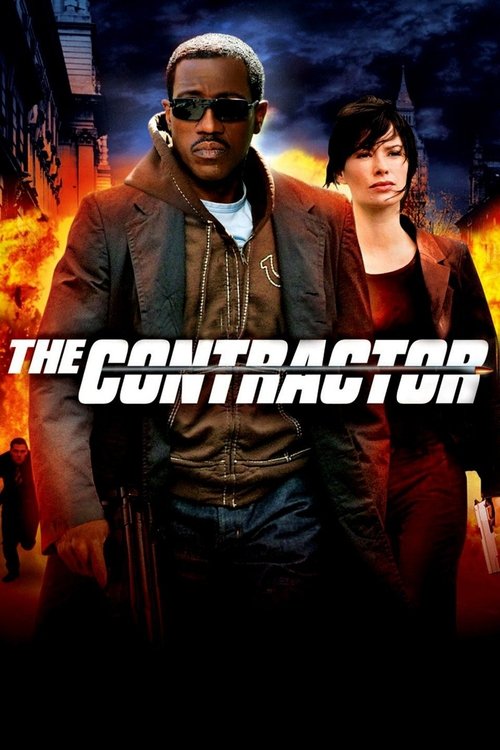
“The world's greatest marksman is now a marked man.”
Former CIA Operative James Dial is coaxed back into action to kill a terrorist in London, but it all goes wrong and he is forced into hiding, where he meets and befriends a 12 year old girl.
I keep coming back to the same strange thing about The Contractor: for a movie built around a professional killer, it’s most alive when it stops pretending to be about competence. Josef Rusnak opens in the language of procedure and betrayal — the kind of grim machinery that spy thrillers love to grease up — and then, almost against its own instincts, lets the film drift into something softer and lonelier.
That shift matters. A lesser action picture would treat the relationship at the center of this story as a sentimental detour. Here, it feels like the only part that’s actually breathing.
Rusnak isn’t a flashy stylist in the modern sense, and that’s part of the film’s odd appeal. He made The Thirteenth Floor, which already had him thinking about doubles, false surfaces, and the unsettling feeling that reality has been badly edited. The Contractor doesn’t have the same conceptual reach, but it does share that interest in unstable identities. James Dial, played by Wesley Snipes with a kind of compressed weariness, is introduced less as a hero than as a man whose usefulness has expired.
That’s a familiar action-movie position, of course, but Snipes gives it an almost bruised dignity. He moves like someone trying not to take up space. Even when he’s armed, he looks provisional.
The film arrived in 2007, when the post-9/11 thriller had already become a crowded field and London itself had become one of its favorite stage sets: foggy, monitored, morally compromised. What’s interesting is that The Contractor doesn’t really want to be about geopolitics, despite the talk of CIA work and terrorism. It’s about disposal — how institutions use people up, then act surprised when the people don’t vanish cleanly.
That’s the real conversation around the movie, I think, even if it’s not always stated that bluntly. It has the battered aftertaste of so many mid-budget action films from the period: enough craft to keep you watching, enough melancholy to make the violence feel wasteful.
Wesley Snipes was, by then, in a particular kind of screen position. He’d spent years playing men whose bodies seemed to know a fight before their faces did — from Blade to Passenger 57 to Demolition Man. Here, that physical certainty is shaded with fatigue.
His shoulders are a little more closed, his delivery a little drier. It’s not that he’s suddenly vulnerable in some grand, actorly way. More subtle than that.
He looks like a man who has learned that staying alive is mostly a matter of conserving energy. That’s why the film works best in its quieter stretches, when he’s not trading gunfire but trying to read a room, or decide whether to trust a stranger.
Movies
Related titles ranked by rating and popularity.