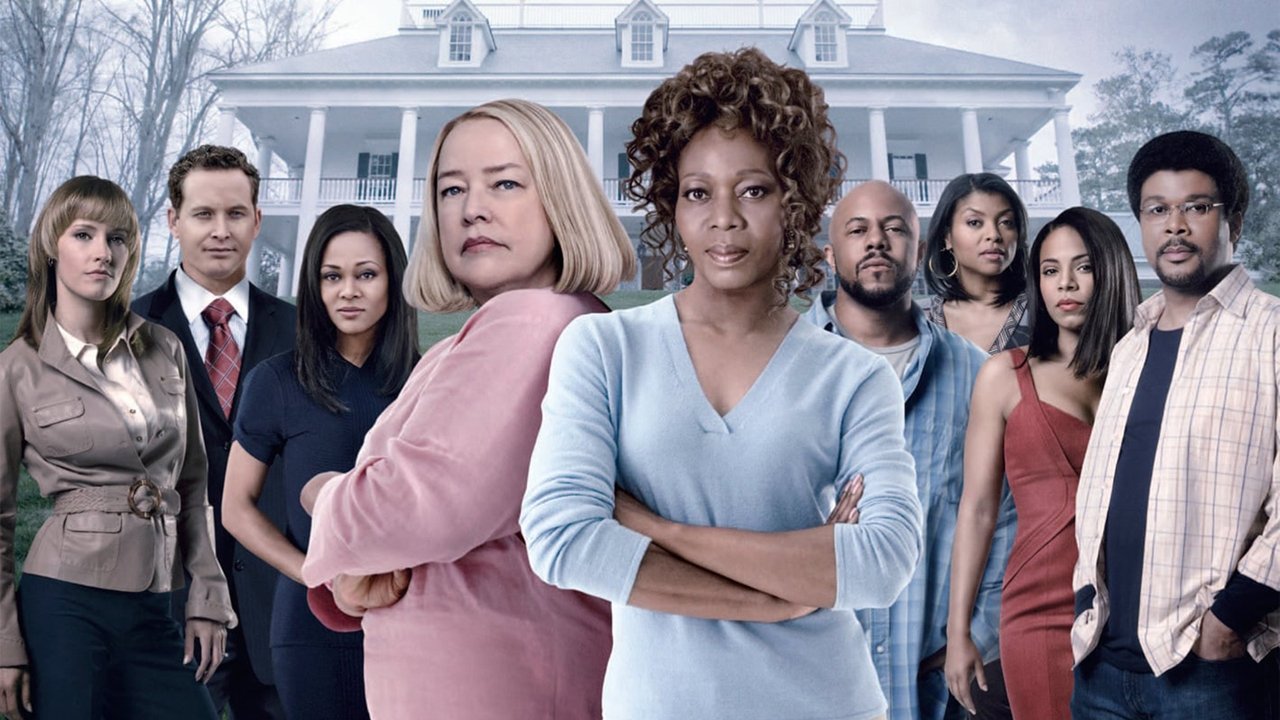
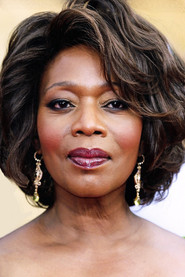
Alfre Woodard
Alice Pratt
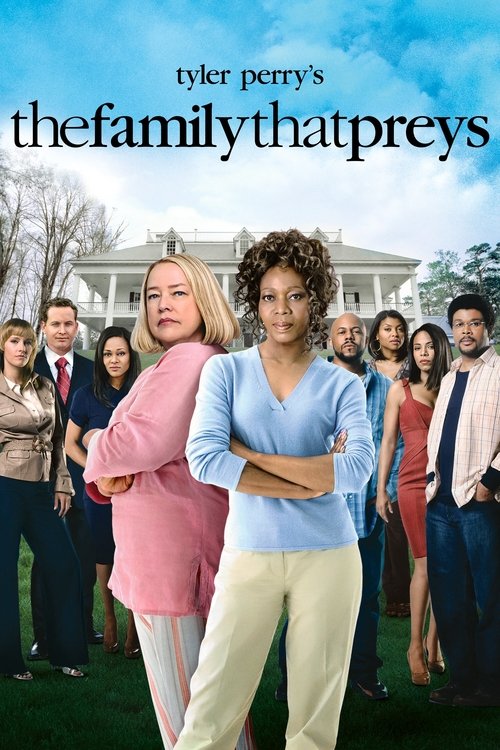
“Business is like family. Keep your affairs in order.”
Wealthy socialite Charlotte Cartwright and her dear friend Alice Pratt, a working class woman of high ideals, have enjoyed a lasting friendship throughout several decades. Recently, their lives have become mired in turmoil as their adult children’s extramarital affairs, unethical business practices, and a dark secret threaten to derail family fortunes and unravel the lives of all involved. Charlotte and Alice decide to take a breather from it all by making a cross-country road trip in which they rediscover themselves and possibly find a way to save their families from ruin.
I’ve seen this movie before—or at least, I’ve seen its blueprint. Tyler Perry’s The Family That Preys is a melodrama about Black families torn apart by money, secrets, and bad decisions, and it plays like a greatest-hits album of Perry’s favorite tropes: the long-suffering matriarch, the wayward child, the cross-country road trip that’s supposed to fix everything. What makes it worth watching isn’t the plot, which is as predictable as a Sunday sermon, but the way it lets its actors—especially Kathy Bates and Alfre Woodard—turn familiar archetypes into something resembling real people.
Perry’s films often feel like they’re operating on two tracks: one for the heart, one for the bank. The Family That Preys is no exception. It’s a drama about class, loyalty, and the rot that sets in when ambition outpaces morality, but it’s also a product, designed to deliver the emotional payoffs his audience expects. The difference here is that Perry steps away from his Madea persona, trading broad comedy for a more subdued (if still heavy-handed) brand of storytelling.
The result is a film that feels like it’s trying to be Steel Magnolias but keeps slipping into Dynasty.
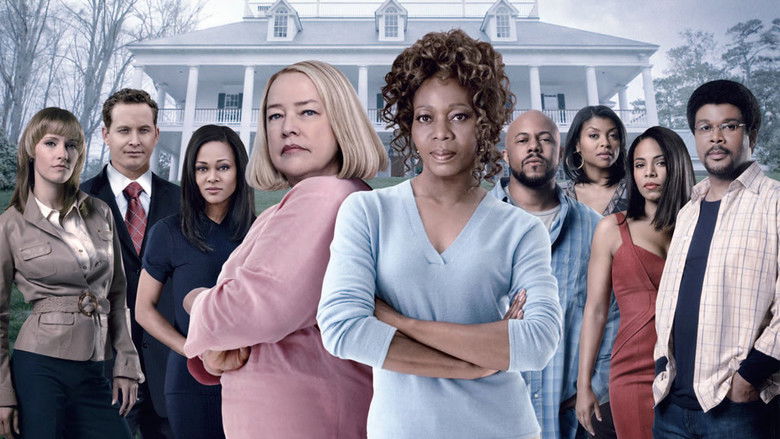
The film’s central relationship is between Charlotte Cartwright (Bates), a wealthy socialite, and Alice Pratt (Woodard), her working-class best friend. Their bond is the kind that’s supposed to transcend money, but Perry can’t resist poking at the tension between them. Charlotte’s children are entitled and scheming; Alice’s are struggling but virtuous.
"A melodramatic blend of family secrets and class tensions with standout performances but uneven pacing."
Viewers appreciate the strong performances, particularly from Alfre Woodard and Kathy Bates, which add depth to the film’s exploration of family dynamics and social divides. latestnetflix.com's read is that however, the story’s reliance on soap-opera tropes and occasional slow pacing detracts from its impact, leaving some feeling it doesn’t fully capitalize on its promising premise.
Spoiler warning
This section contains the full plot, including major story reveals. Overview above stays spoiler-free.
Tyler Perry’s The Family That Preys (2008) is a glossy, drama-packed tale of two families—one wealthy and white, the other Black and working-class—whose lives collide in a web of secrets, betrayal, and redemption. With a cast featuring heavyweights like Kathy Bates, Alfre Woodard, and Taraji P. Henson, the film blends Perry’s signature melodrama with a rare interracial narrative for his filmography. But behind the camera, the production was just as layered as the story it told.
Perry assembled an ensemble that read like a who’s who of Black Hollywood, alongside Bates, a veteran of prestige cinema. Woodard and Bates played matriarchs Charlotte Cartwright and Alice Pratt, respectively, whose friendship anchors the film. The chemistry between the two was reportedly electric, with Woodard later praising Bates’ ability to balance humor and gravitas  . Meanwhile, rising stars like Sanaa Lathan and Rockmond Dunbar brought romantic tension as Andrea and Chris, a couple torn apart by ambition and infidelity.
But not all pairings were seamless. Rumors swirled about on-set friction between Perry and some cast members, particularly over his hands-on directing style. Perry, known for his tight control over his projects, allegedly clashed with actors who pushed for more creative input. While no specific incidents were confirmed, insiders hinted at tension during rehearsals, especially with performers accustomed to more collaborative sets . Still, the final product suggests any disputes were resolved—or at least buried—by the time cameras rolled.
Unlike Perry’s Madea-centric films, The Family That Preys ventured into territory rarely explored in his work: class and race dynamics between Black and white families. The film’s premise—Charlotte’s wealthy, white family exploiting Alice’s working-class Black family—was a bold departure from Perry’s usual focus on Black intra-community struggles. Some critics praised the film for tackling these themes, while others argued it relied too heavily on stereotypes .
Behind the scenes, Perry reportedly struggled to balance the film’s tone, wanting to keep his signature humor while delivering a more serious drama. The result was a hybrid of soap-opera theatrics and earnest social commentary, a mix that divided audiences. Trailers and early screenings hinted at a more explosive narrative, but the final cut leaned into melodrama over grit .
Filming took place in Atlanta, Perry’s usual stomping grounds, but the shoot wasn’t without hiccups. Reports suggest the script underwent multiple revisions, with Perry tweaking dialogue and plot twists up until the last minute. Some cast members later joked about the whiplash of memorizing new lines overnight .
The film’s marketing also faced scrutiny. Early trailers emphasized the scandalous elements—affairs, corporate sabotage, and family feuds—while downplaying the film’s emotional core. Perry’s team later admitted they struggled to sell the movie’s dual identity as both a campy drama and a heartfelt story about friendship and forgiveness .
The Family That Preys underperformed at the box office, earning just $37 million against a modest budget . Critics were lukewarm, with some calling it overstuffed and others praising its ambition. Yet, over time, the film developed a cult following, particularly among fans of Perry’s earlier work who appreciated its blend of humor and drama.
For Perry, the project marked a turning point. It was one of his first attempts to expand beyond the Madea universe, proving he could helm a star-driven drama. While it didn’t launch a new franchise, it remains a curiosity in his filmography—a rare experiment in interracial storytelling that, for better or worse, refused to play it safe.
Entertainment rumors and trivia aggregated from public reporting. Treat speculation as unverified unless a cited source confirms it.