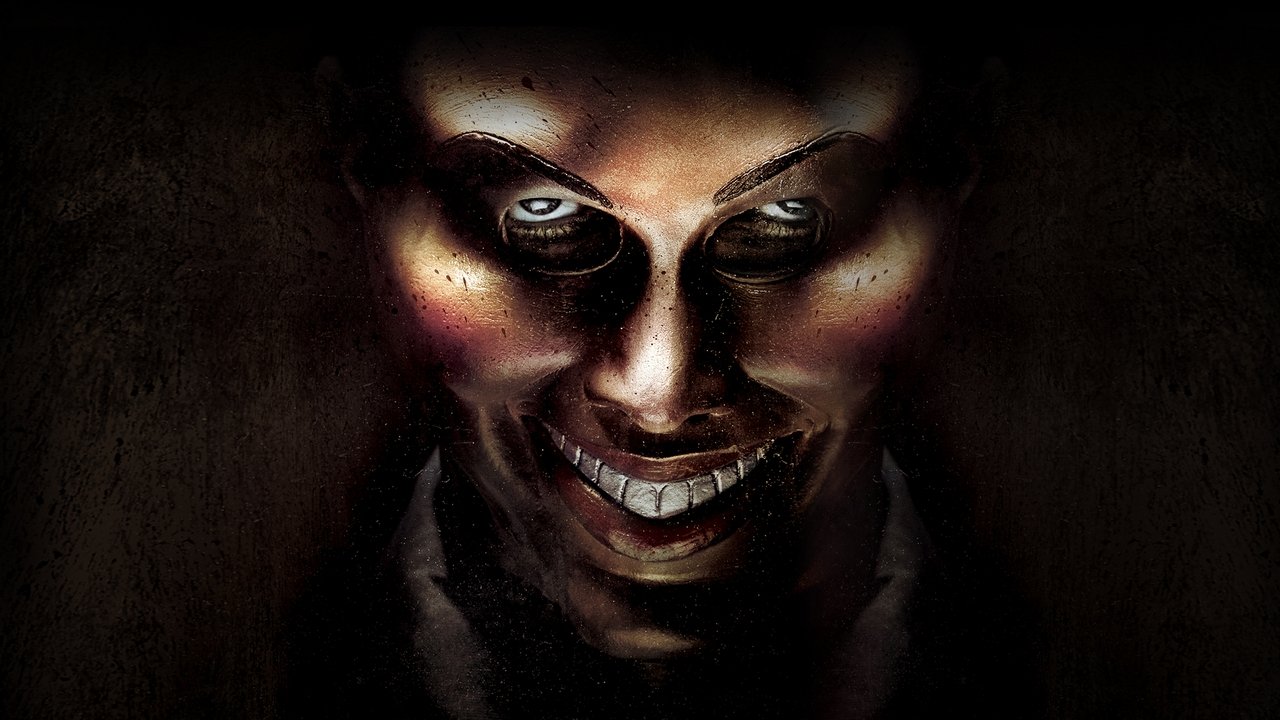

Ethan Hawke
James Sandin
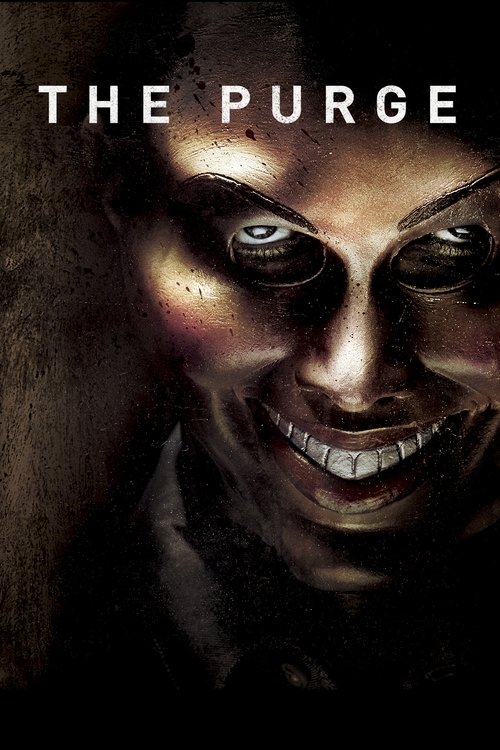
Given the country's overcrowded prisons, the U.S. government begins to allow 12-hour periods of time in which all illegal activity is legal. During one of these free-for-alls, a family must protect themselves from a home invasion.
What makes The Purge linger isn’t the blood on the wall or the masked faces stalking the street. It’s the sickening neatness of the premise. James DeMonaco doesn’t just imagine a night when violence is legal; he imagines a country that has organized itself around the idea that the worst in people can be scheduled, managed, and even marketed.
That’s the queasy joke at the center of the movie, and it lands because it feels less like fantasy than a policy memo written by someone with a migraine.
DeMonaco came to the film with an odd but useful career shape: he’d written for other people’s action and genre machines before directing this one, and you can feel that habit of thinking in blunt, efficient set pieces. But here he isn’t interested in polish for its own sake. He wants a system.
The “Purge” isn’t just a gimmick; it’s a civic ritual, a class weapon, and a lie the wealthy tell the poor with a straight face. That’s why the movie’s conversation in 2013 centered less on whether it was scary than on whether it was too on-the-nose. A lot of viewers, myself included, had the same thought: yes, of course this sounds like a satire.
But then the film keeps walking us closer to the edge until the satire starts looking suspiciously like a forecast.
There’s a neat visual idea that runs through it: doors. Locked doors, barred doors, doors with reinforced steel, doors that are only as strong as the budget behind them. DeMonaco and cinematographer Jacques Jouffret keep returning to the house as a pressure chamber, a place where the family’s wealth is made visible in layers of security.
The clean suburban lines, the dark glass, the electronic sheen of the alarm system — all of it is a little too pristine, which is exactly the point. The movie understands that American comfort often depends on a fantasy of separation, and the Purge night turns that fantasy into a home invasion with policy backing.
I’ve seen a lot of home-invasion movies that work by narrowing the world until all you can feel is panic. This one does something slightly stranger. It keeps widening the world even as the family inside the house gets trapped.
We hear the class resentment in the rules of the night, the slogan-friendly civics, the way the neighbors seem to vanish into categories: predator, prey, buyer, victim. The movie’s most unsettling idea is that violence here isn’t chaos. It’s administration.
Movies
Related titles ranked by rating and popularity.