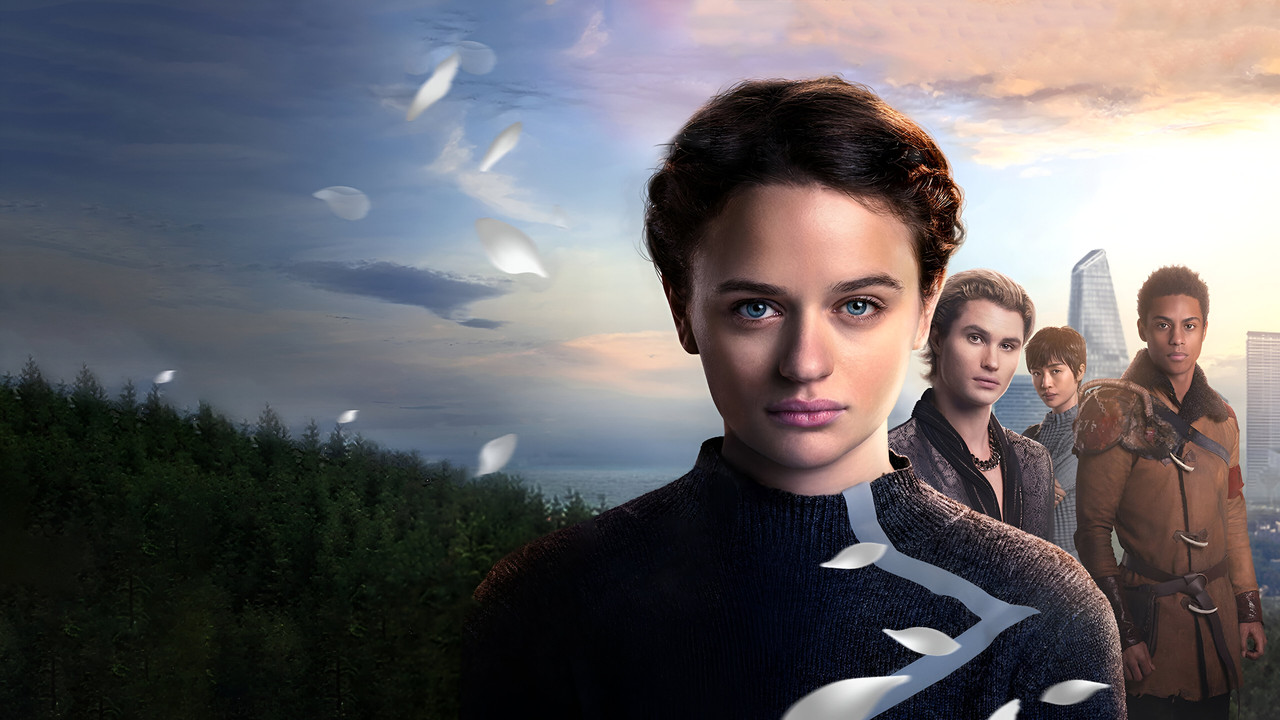

Joey King
Tally
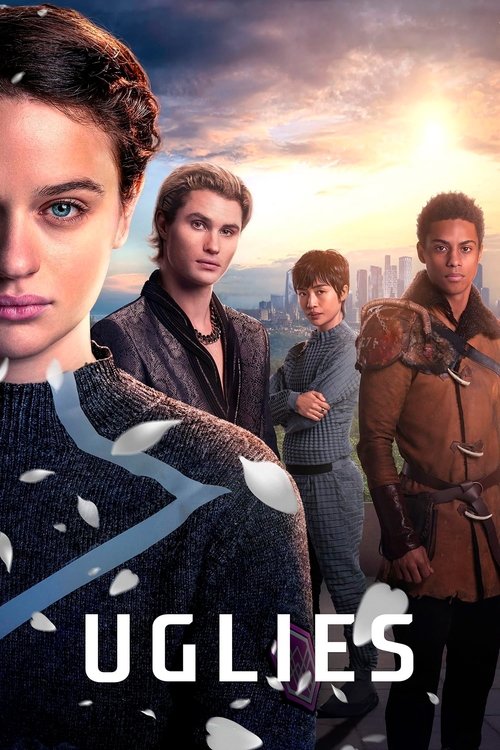
“In a world of extreme beauty, anyone normal is ugly.”
In a futuristic dystopia with enforced beauty standards, a teen awaiting mandatory cosmetic surgery embarks on a journey to find her missing friend.
I kept waiting for Uglies to surprise me. Not with a twist—though there are a few—but with a moment where the film’s premise, its critique of enforced beauty, actually felt dangerous. Instead, I got a slick, fast-paced dystopia that looks like it was designed by the same algorithm that curates Instagram filters.
The irony isn’t lost on me. The world of Uglies is one where turning sixteen means mandatory cosmetic surgery, a procedure that doesn’t just change your face but rewires your brain to ensure compliance. The "Uglies" live in drab, concrete dormitories, counting down the days until they can join the "Pretties" in their neon-lit, hedonistic city.
The film’s opening act does a decent job of selling the claustrophobia of this system. The camera lingers on the gray walls, the identical jumpsuits, the way the teens move in packs, their faces half-hidden by hoodies. It’s a world where individuality is a crime, and the punishment is erasure.
But then the film cuts to the Pretty city, and the contrast is so jarring it’s almost funny. The Pretties lounge in pastel palaces, their faces airbrushed to perfection, their bodies draped in shimmering fabrics. The CGI here is a lot—think Tron meets a Sephora ad, all glowing skin and impossible geometry.
Critics have called it "terrible" (The Guardian) and "questionable" (Variety), but I don’t know if I’d go that far. It’s not that the effects are bad; they’re just loud. The city feels like a fever dream of consumerism, a place where beauty isn’t just a standard but a religion.
And yet, for all its visual excess, it lacks the unsettling edge of, say, Brazil’s bureaucratic nightmares or The Hunger Games’ Capitol. This is a dystopia that’s been focus-grouped. Joey King plays Tally Youngblood, the film’s protagonist, and she’s the closest thing Uglies has to a moral compass.
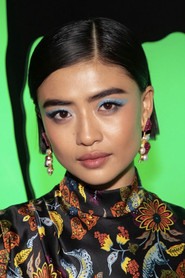
King has a knack for playing characters who are smarter than the world around them, and Tally is no exception. She’s skeptical of the system from the start, but her rebellion isn’t born of ideology—it’s personal. Her best friend, Shay (Brianne Tju), goes missing after refusing the surgery, and Tally’s quest to find her drives the plot.
Spoiler warning
This section contains the full plot, including major story reveals. Overview above stays spoiler-free.
Netflix’s 2024 dystopian flick Uglies has become as divisive as the society it depicts. Based on Scott Westerfeld’s 2005 YA novel, the film follows Tally Youngblood (Joey King), a teen in a world where mandatory cosmetic surgery at 16 erases individuality in the name of "beauty." latestnetflix.com's view is that but the movie’s biggest controversy isn’t its premise—it’s the faces on screen.
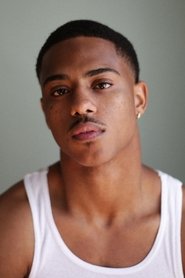
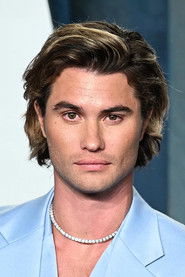
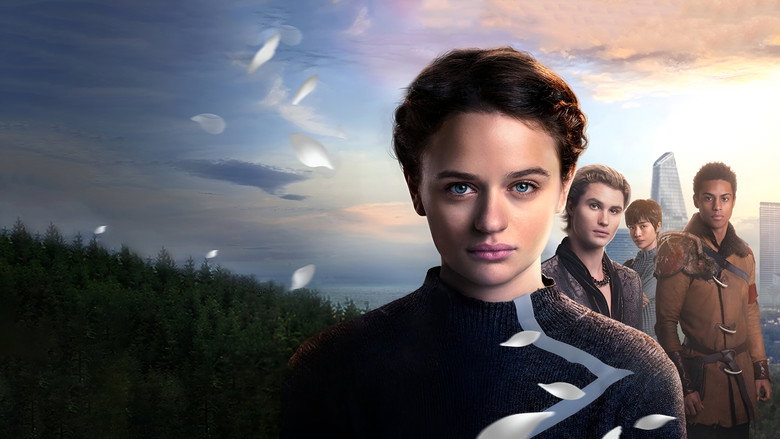
The central gripe? The cast looks too conventionally attractive to convincingly portray characters who are supposed to be "ugly" before their forced transformations. Joey King, Brianne Tju, and Chase Stokes—all known for their polished looks—star as teens resisting a system that polices appearance. Fans and critics alike have questioned whether the film’s visual irony undermines its message.
Director McG didn’t shy away from the criticism. In a response to Digital Spy, he acknowledged the elephant in the room: "McG is well aware his movie features a cast of conventionally attractive people"  . His defense? The story’s themes transcend physical appearances. Still, the disconnect between the source material’s critique of beauty standards and the film’s casting choices has left some viewers skeptical.
The backlash even reached the book’s author. Scott Westerfeld reportedly weighed in on the debate, though details remain vague. Capital FM noted that "people were divided over whether or not Joey was the right fit to play Tally" , with some praising her performance while others argued the role demanded a different look.
Reviews suggest Uglies delivers a competent, if unremarkable, YA dystopian tale. The Hollywood Reporter called it a "serviceable Netflix YA adaptation" , praising Joey King’s performance but stopping short of calling the film groundbreaking. The plot—centered on a society where beauty is state-mandated—mirrors classics like The Giver and Divergent, but with a sharper focus on cosmetic surgery as a tool of control.
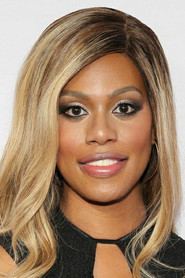
The film’s visuals and pacing have drawn mixed reactions. Some viewers appreciate its sleek, high-budget aesthetic, while others argue it feels too polished for a story about rejecting perfection. Laverne Cox’s inclusion as a key figure in the resistance adds star power, but the film’s reliance on familiar YA tropes may leave audiences wanting more depth.
At its core, Uglies is about the pressure to conform to beauty standards—a theme that resonates in an era of filters, plastic surgery, and social media scrutiny. But the film’s casting choices risk diluting its own message. If the actors playing "uglies" are already Hollywood-pretty, does the story lose its bite?
McG’s response suggests he’s unfazed by the criticism, framing the debate as part of the film’s larger conversation about beauty and identity. Yet for some fans, the disconnect between the book’s vision and the movie’s execution is hard to ignore.
With no confirmed sequel plans, Uglies may remain a standalone experiment in dystopian storytelling. Its reception could influence whether Netflix greenlights more adaptations of Westerfeld’s series—or if the franchise fades into the background of YA’s crowded landscape.
For now, the film’s legacy might hinge on one question: Can a movie about rejecting beauty standards succeed when its cast embodies those very ideals?
Entertainment rumors and trivia aggregated from public reporting. Treat speculation as unverified unless a cited source confirms it.